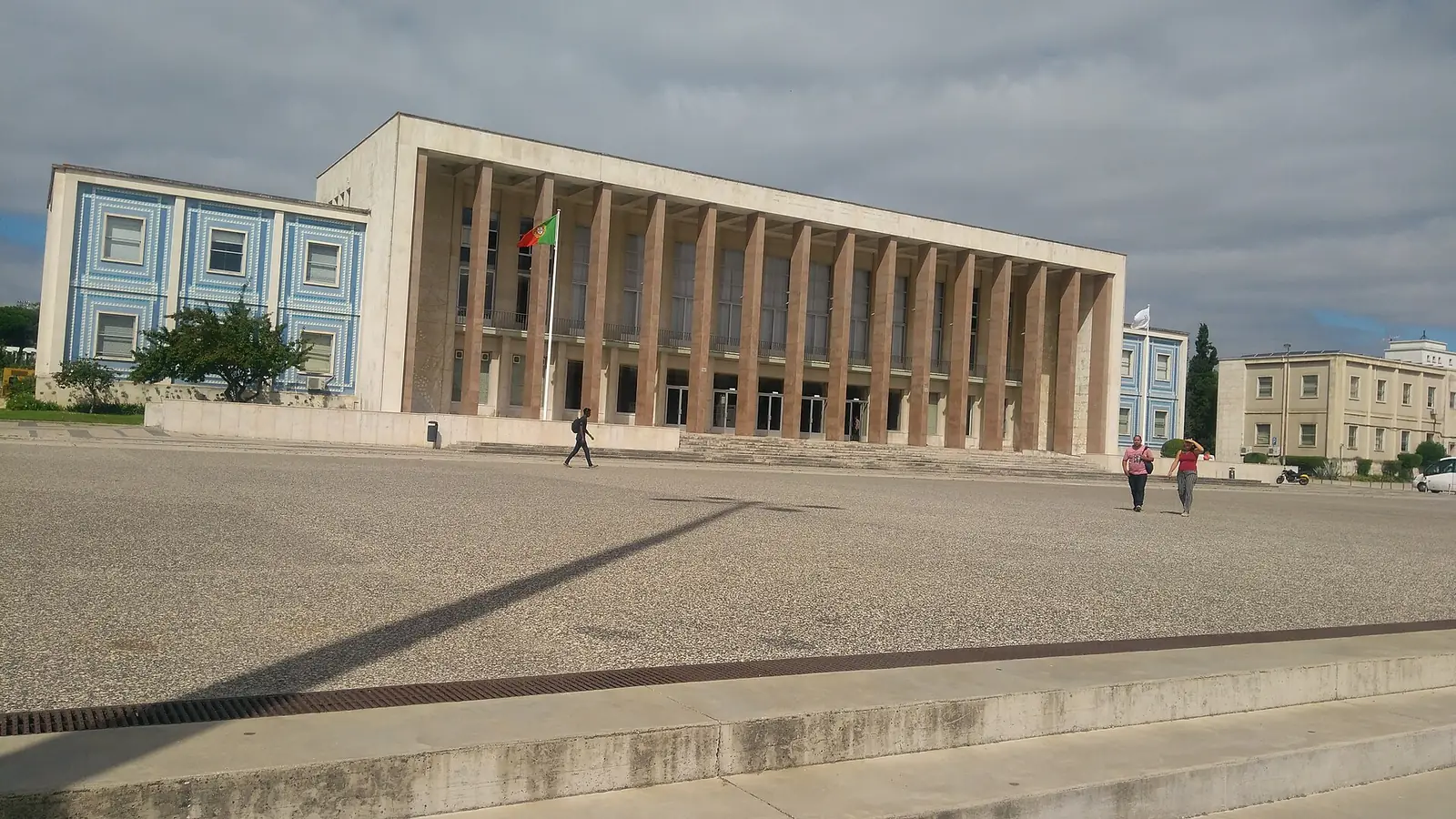
A Alameda da Universidade, na Cidade Universitária, com a escultura de arcos vermelhos à entrada, em 2015.Metro Centric, CC BY 2.0
Alvalade
Cidade Universitária de Lisboa (University Stadium and faculties)
The 1962 academic crisis began here: when Students’ Day was banned, on 24 March, the riot police charged the students. At the general assemblies that followed, Isabel do Carmo was the first woman to take the floor.
Today: Cidade Universitária – University of LisbonApproximate locationOn one walk
On the morning of 24 March 1962, after Salazar’s Government banned the Students’ Day celebrations, the students gathered here, in the Cidade Universitária. The police beat and arrested students and occupied university buildings and canteens;1 the riot police charged them several times at the University Stadium and in Campo Grande.2 The 1962 academic crisis had begun.
On 26 March, the students’ associations of Lisbon and Coimbra declared “luto académico” (academic mourning) — a strike from classes, a right banned by the dictatorship. The open-air general assemblies, in front of the faculties of Medicine and Letters and the Rectorate, and in the University Stadium, were something new in a gagged society.2 At one of them, in the University Stadium, the medical student Isabel do Carmo spoke, the first woman to take the floor at a general assembly of the crisis. The PIDE noted that she foresaw a “Free Nation” and proposed that flowers be offered to the police, “the most beautiful weapons created in Portugal”.3
On 9 May, at the suggestion of Eurico Figueiredo, president of the Pro-Association Committee of the Medical Students, the students gathered in the Cidade Universitária canteenwent on hunger strike; days later, the riot police removed them by force and made hundreds of arrests.5Maria Antónia Fiadeiro, a philosophy student at the Faculty of Letters, was arrested by the PIDE for the first time for supporting the strikers.7 On the morning of 4 June, the riot police charged at the entrance to the Faculty of Medicine, and Professor Lindley Cintra, a philologist at the Faculty of Letters who supported the students and was trying to talk to the police, was assaulted and treated in hospital. The expulsions followed: Eurico Figueiredo, Mário Sottomayor Cardia and Isabel Vila Maior were among the 21 students excluded from the University of Lisbon for thirty months.4 On 14 November, the riot police occupied the Cidade Universitária again.2
The Cidade Universitária remained a place of struggle. In 1964, Diana Andringa entered the Faculty of Medicine and, that year, went to her first demonstration, demanding the release of Saldanha Sanches.8 At the Faculty of Letters, Helena Neves helped to organise strikes and demonstrations, and at one of them a PIDE agent struck her with the butt of his gun.9 In February 1972, Maria José Morgado was suspended from the Faculty of Law “for disturbances”, together with José António Ribeiro Santos and José Galamba de Oliveira.10
Since 1987, 24 March has been marked as National Students’ Day, in tribute to the students who resisted.1
Published on International Women’s Day 2024, it recalls the academic crisis of 1962 and the student movement against the dictatorship through the voices of three women who took part in it: Manuela Tavares, Maria Emília Brederode Santos and Isabel do Carmo.
Original page Licença padrão do YouTube — embed permitido pelo canal oficial da Comissão Comemorativa 50 Anos 25 de Abril
Comissão Comemorativa 50 Anos 25 de Abril, on YouTube. The player only connects to that site when you press “Watch”.
In other archives
These can only be viewed on each archive’s own website.
In the 1962 academic crisis, the rector was Marcelo Caetano: from the balcony of the Rectorate he defended the university’s autonomy and, when the government banned Students’ Day again, he resigned. The open ground in front filled with students’ plenary meetings.
Today: Cantina Velha (Old Canteen) of the University of Lisbon
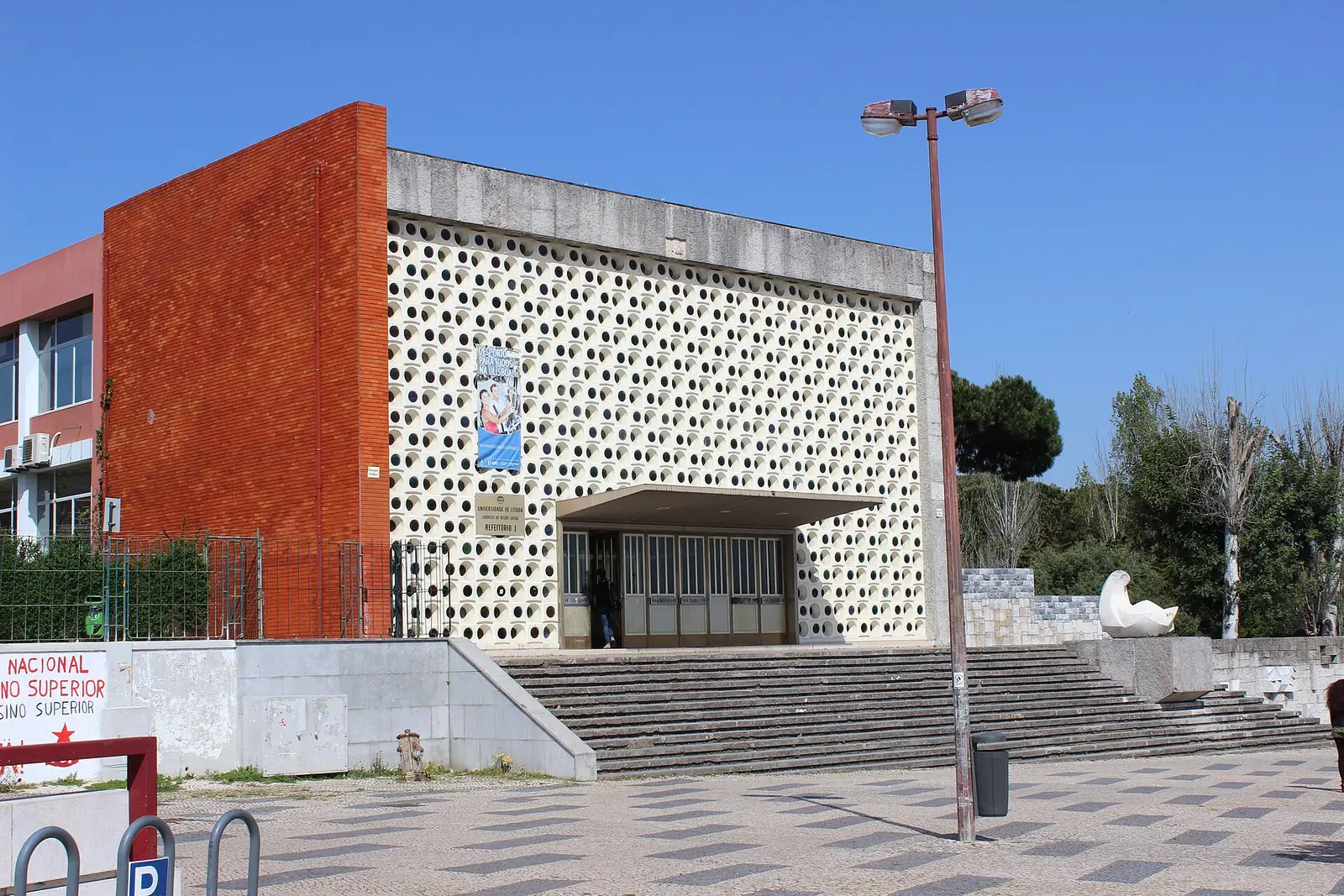
The Cidade Universitária canteen, opened in 1961, was the stage for the hunger strike of May 1962: 81 students refused to eat, hundreds joined them, and in the early hours of 11 May the police surrounded it and arrested them one by one.
The former RTP studios in Lumiar were occupied in the early hours of 25 April 1974 by a column from the Military Administration Practical School. It was from here that the National Salvation Junta presented itself to the country, in the early hours of the 26th.
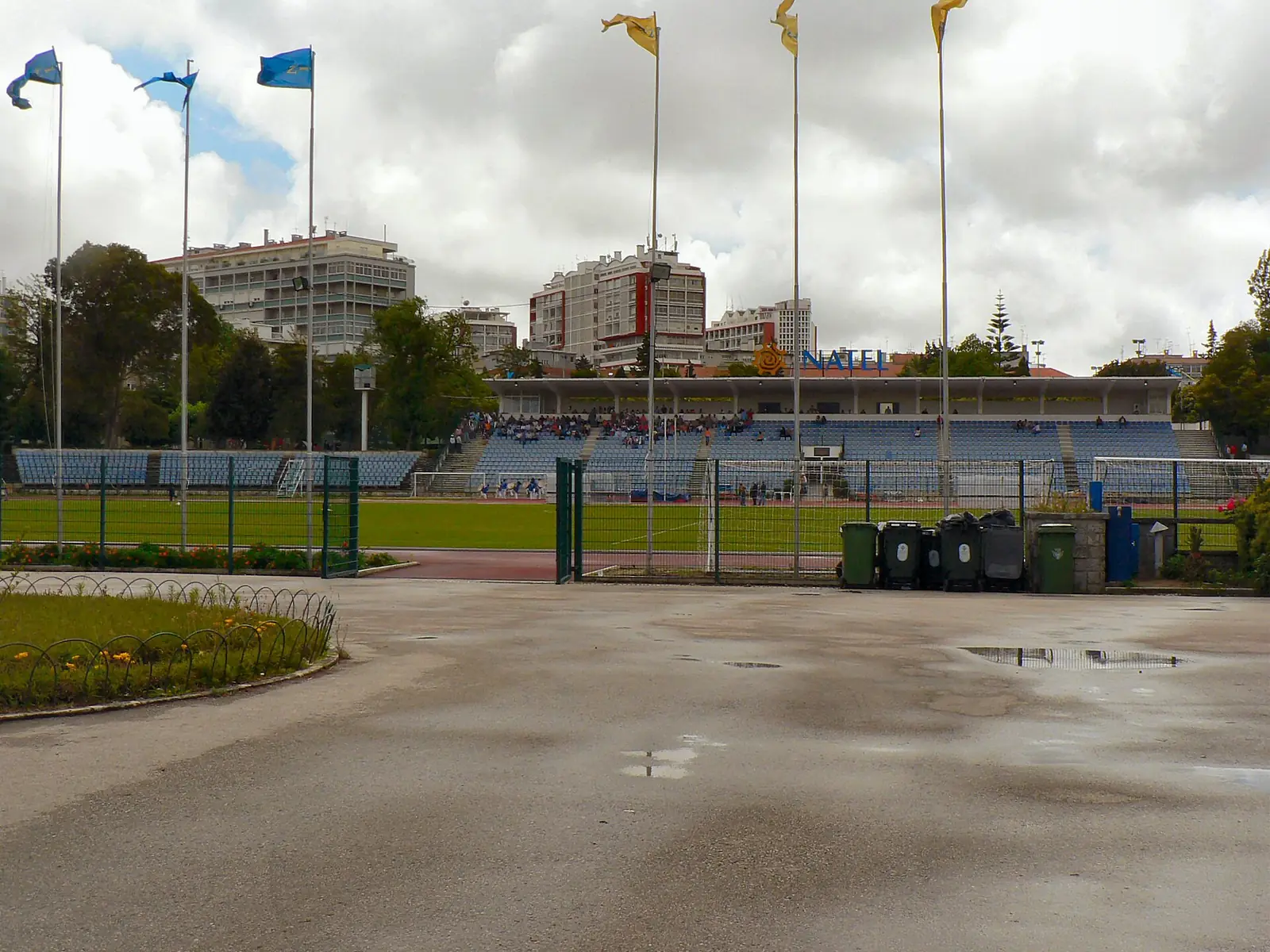
On the first May Day in freedom, a week after the revolution, the Lisbon march ended in a rally at this FNAT stadium, which that day was renamed Estádio 1.º de Maio (May Day Stadium). At the rally, Mário Soares embraced Álvaro Cunhal.
LabourRevolution
Notes on the sources2
The day of the general assembly in the University Stadium at which Isabel do Carmo spoke: the photograph published by the Commemorative Commission for the 50 Years of 25 April, from her own collection, gives only the year, 1962.
When Helena Neves was assaulted by a PIDE agent at a demonstration: the Aljube Museum does not give the date.
Do you know more, or do you have a document? Tell us.
Sources
1Dia Nacional do Estudante. Museu do Aljube Resistência e Liberdade (EGEAC) — consulted on 2 October 2026



.jpg)