Alvalade
Cidade Universitária Canteen
The Cidade Universitária canteen, opened in 1961, was the stage for the hunger strike of May 1962: 81 students refused to eat, hundreds joined them, and in the early hours of 11 May the police surrounded it and arrested them one by one.
Designed in 1959 by the architects Manuel Norberto Corrêa and Rafael Miranda, the canteen of the Cidade Universitária — now known as the Cantina Velha (Old Canteen) — opened in 1961, planned for two thousand meals a day.67 A year later, it was “one of the central stages” of the 1962 academic crisis.7
At a general assembly on 7 May 1962, the students declared “luto académico total” (total academic mourning), with a strike from classes, tests and exams. At the suggestion of Eurico de Figueiredo, a student leader from Medicine, they approved a form of protest never used before: the hunger strike. On 9 May, here in the canteen, 81 students began it, with a signed statement in which they took a “firm and UNYIELDING position”.12 About 1,500 students, and some lecturers, joined them inside the canteen, which became a bastion of resistance.1 Among those who supported them was the philosophy student Maria Antónia Fiadeiro, who was arrested by the PIDE for the first time because of it.45
In the early hours of 11 May, the police surrounded the canteen and went in. The professors Luís Lindley Cintra and Francisco Pereira de Moura tried to act as mediators. The students were arrested one by one, student association leaders included; many were released the next morning, but some were taken to the prison at Caxias.1 About 800 students were detained, according to the Public Security Police (PSP), or about 1,200, according to the students’ associations.3
In prison, a group of arrested women students went on refusing food — and “also” refused the sandwiches that the police offered them “insistently, during the afternoon”. The list of strikers identified by the PIDE includes Laura Larcher Graça, Isabel Vila Maior, Isabel Carlos Simões Diniz, Maria da Conceição Santinho, Maria Cristina Pereira, Maria Emília Teles Tavares, Maria Fernanda Guerra and Maria José Barreiro Marques. The hunger strikers were expelled from the university.1 On the list of those punished, Isabel Vila Maior is the only woman among the 21 students excluded from the University of Lisbon for 30 months.9
Today it is the University of Lisbon’s Cantina Velha, and the building also houses the university’s Social Action Services.8 The dining hall, with its vaulted ceiling, holds works by Domingos Soares Branco, Jorge Vieira, Rolando Sá Nogueira, Teresa Sousa and Vasco da Conceição.6
On the walks
Where it is
Map showing where Cidade Universitária Canteen is.
Dates
1959
Design by Manuel Norberto Corrêa and Rafael Miranda.
1961
The Cidade Universitária canteen opens.
7 May 1962
A general assembly declares total academic mourning.
9 May 1962
The hunger strike begins in the canteen.
11 May 1962
Before dawn, the police surround and storm the canteen; mass arrests.
People connected with this place
Nearby
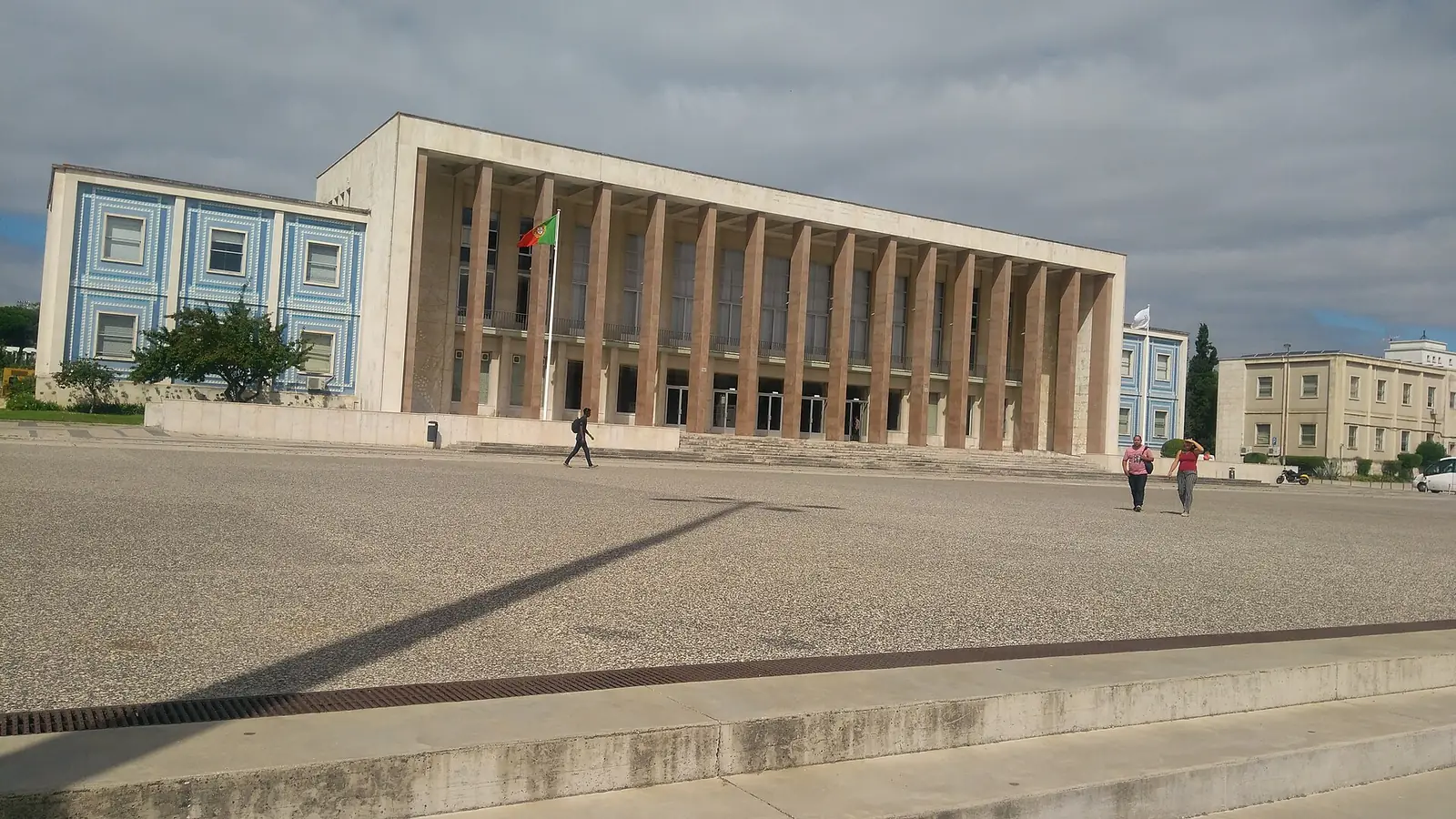
270 m · 5 min on foot
Rectorate of the University of Lisbon
Today: Rectorate of the University of Lisbon
In the 1962 academic crisis, the rector was Marcelo Caetano: from the balcony of the Rectorate he defended the university’s autonomy and, when the government banned Students’ Day again, he resigned. The open ground in front filled with students’ plenary meetings.
StudentsOpposition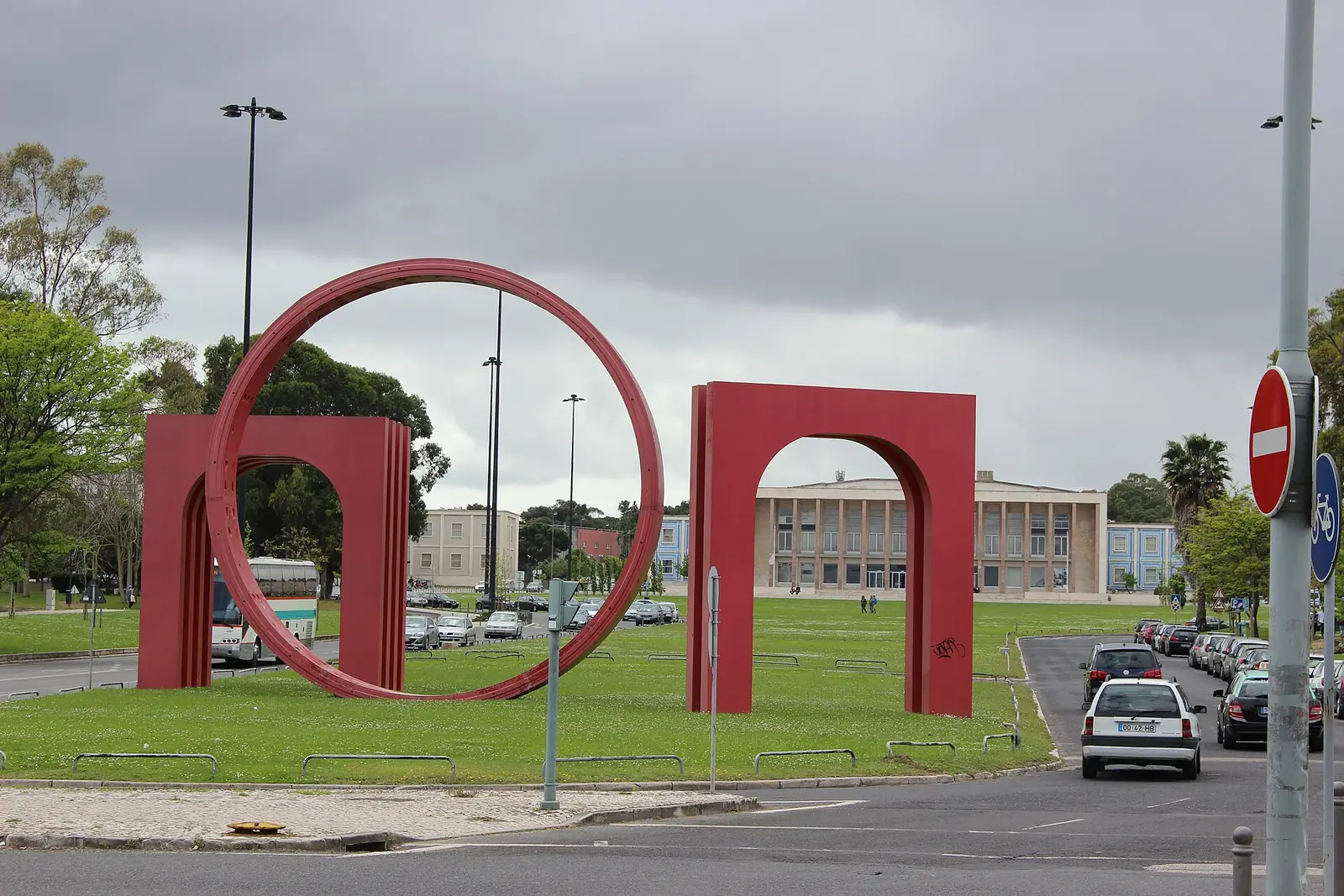
400 m · 5 min on foot
Cidade Universitária de Lisboa (University Stadium and faculties)
Today: Cidade Universitária – University of Lisbon
The 1962 academic crisis began here: when Students’ Day was banned, on 24 March, the riot police charged the students. At the general assemblies that followed, Isabel do Carmo was the first woman to take the floor.
StudentsRepressionWomen1.1 km · 15 min on foot
RTP studios in Lumiar
The former RTP studios in Lumiar were occupied in the early hours of 25 April 1974 by a column from the Military Administration Practical School. It was from here that the National Salvation Junta presented itself to the country, in the early hours of the 26th.
Revolution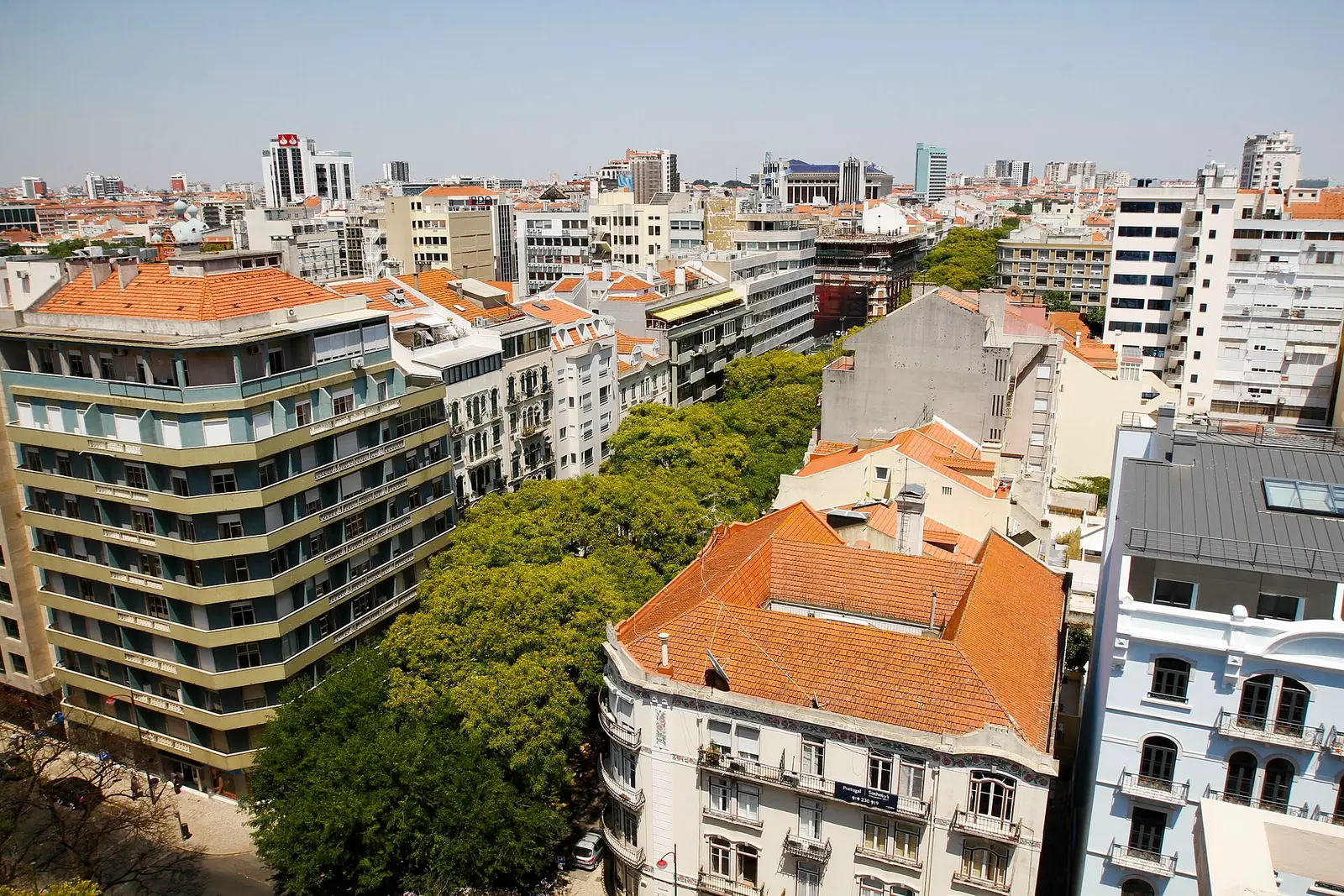
1.6 km · 25 min on foot
Emissores Associados de Lisboa (the studio on Avenida Elias Garcia)
From the studio that the Emissores Associados de Lisboa had on the 7th floor of this building, the announcer João Paulo Diniz put “E Depois do Adeus” (And After the Goodbye) on the air at 22:55 on 24 April 1974 — the first signal of the Armed Forces Movement.
RevolutionCulture and censorship


.jpg)
Notes on the sources3
- The day the hunger strike began: 9 May according to the Aljube Museum (Wikipedia places on the 9th the general assembly that approved it); the Commemorative Commission does not give the day.
- How many were arrested: about 800 (PSP), about 1,200 (students’ associations) or 1,500 (the title of a 2012 article in the Expresso magazine, cited by Wikipedia).
- Maria Cristina Pereira appears twice in the list of strikers identified by the PIDE published by the Commemorative Commission: two students with the same name, or a repetition.
Do you know more, or do you have a document? Tell us.
Sources
- 1A Crise Académica de 1962: A Greve de Fome. Comissão Comemorativa 50 Anos 25 de Abril — consulted on 2 October 2026
- 2Manifestação de apoio a Eurico Figueiredo. Museu do Aljube Resistência e Liberdade (EGEAC) — consulted on 2 October 2026
- 3Crise académica de 1962. Wikipédia — consulted on 2 October 2026
- 4Maria Antónia Fiadeiro. Wikipédia (português) — consulted on 2 October 2026
- 5Mulheres pela Igualdade (biografias). CIG – Comissão para a Cidadania e a Igualdade de Género — consulted on 2 October 2026
- 6Cantina da Cidade Universitária. Open House Lisboa – Trienal de Arquitectura de Lisboa — consulted on 3 October 2026
- 7Catarina Simões, A melhor cantina universitária de Lisboa serve mais de mil refeições por dia a 3,10€. NiT, 2026 — consulted on 3 October 2026
- 8Cantina Velha. Serviços de Ação Social da Universidade de Lisboa — consulted on 3 October 2026
- 9A Crise Académica de 1962: Solidariedade com os Estudantes. Comissão Comemorativa 50 Anos 25 de Abril — consulted on 2 October 2026
Coordinates: OpenStreetMap (Nominatim), consultado a 2 de outubro de 2026.