It was born in 1879 as the newspaper of the tobacco workers and became the largest people’s school in Lisbon. In 1949, the opposition held rallies here for the candidacy of Norton de Matos, with Maria Lamas, Isabel Aboim Inglez and Cesina Bermudes.
Today: A Voz do Operário Education and Welfare SocietyOn one walk
A Voz do Operário (The Worker’s Voice) was born on 11 October 1879 as the newspaper of Lisbon’s tobacco workers, after a newspaper of the time had refused to publish a report on the poverty they lived in. To keep it going, a cooperative was founded in 1883, which became an Education and Welfare Society, with schools, a library and social assistance.1
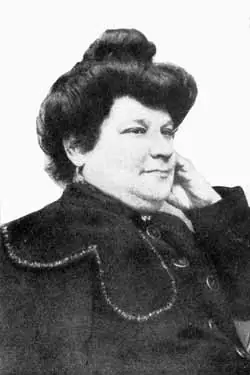
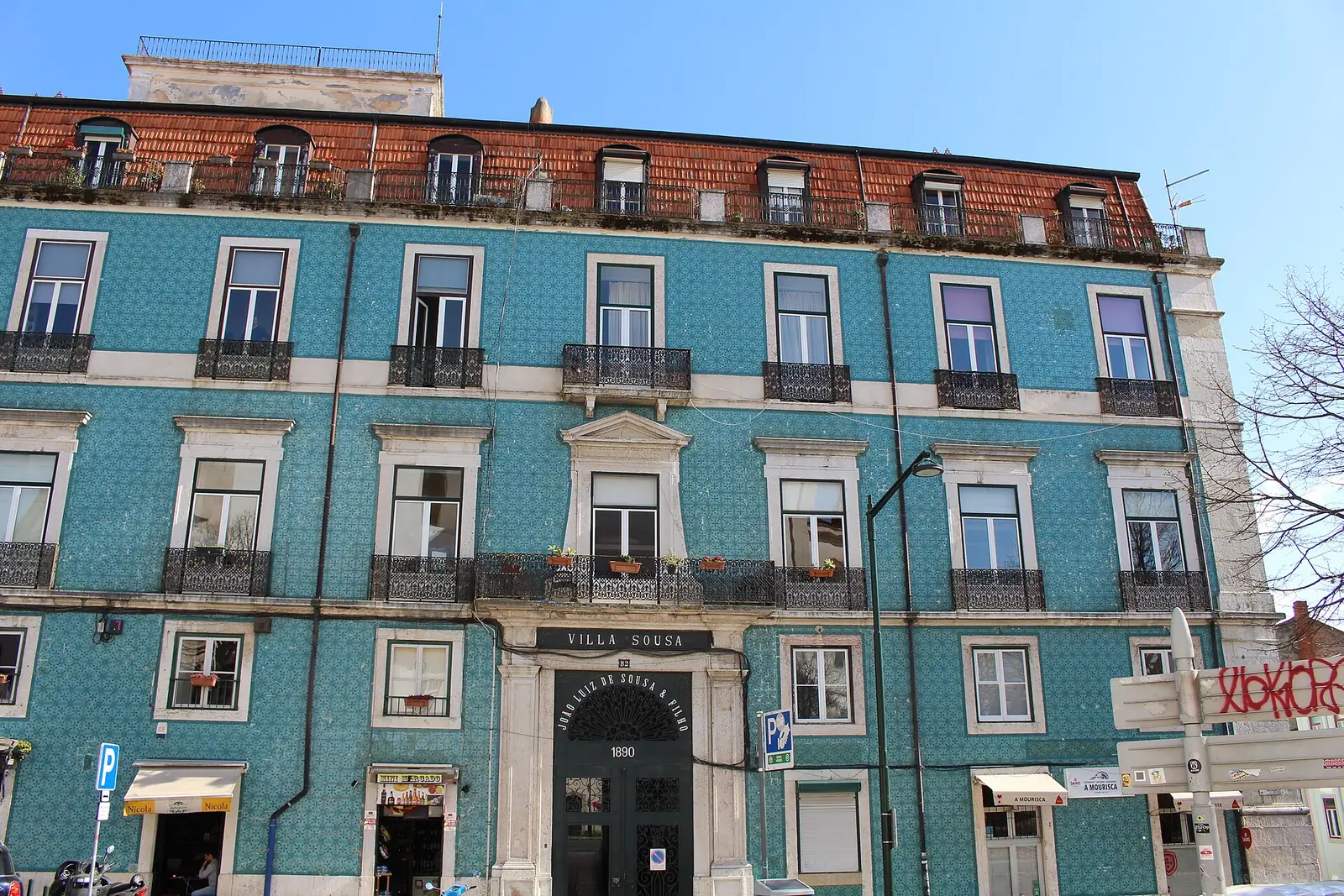
The foundation stone of this building was laid in 1912, in the presence of President Manuel de Arriaga, and the work was finished in 1932. The society then had some seventy thousand members and was the largest centre of primary education in the capital: in 1938, 4,200 pupils, most of them workers’ children, attended its schools.1 The republican and socialist Angelina Vidal wrote for the paper from 1883, was its editor between 1897 and 1901 and taught at the society.2
Under the Estado Novo (“New State”), according to the institution itself, censorship mutilated the newspaper, cultural activities were curtailed and the political police seized books from the library; it was the school that allowed it to survive.1
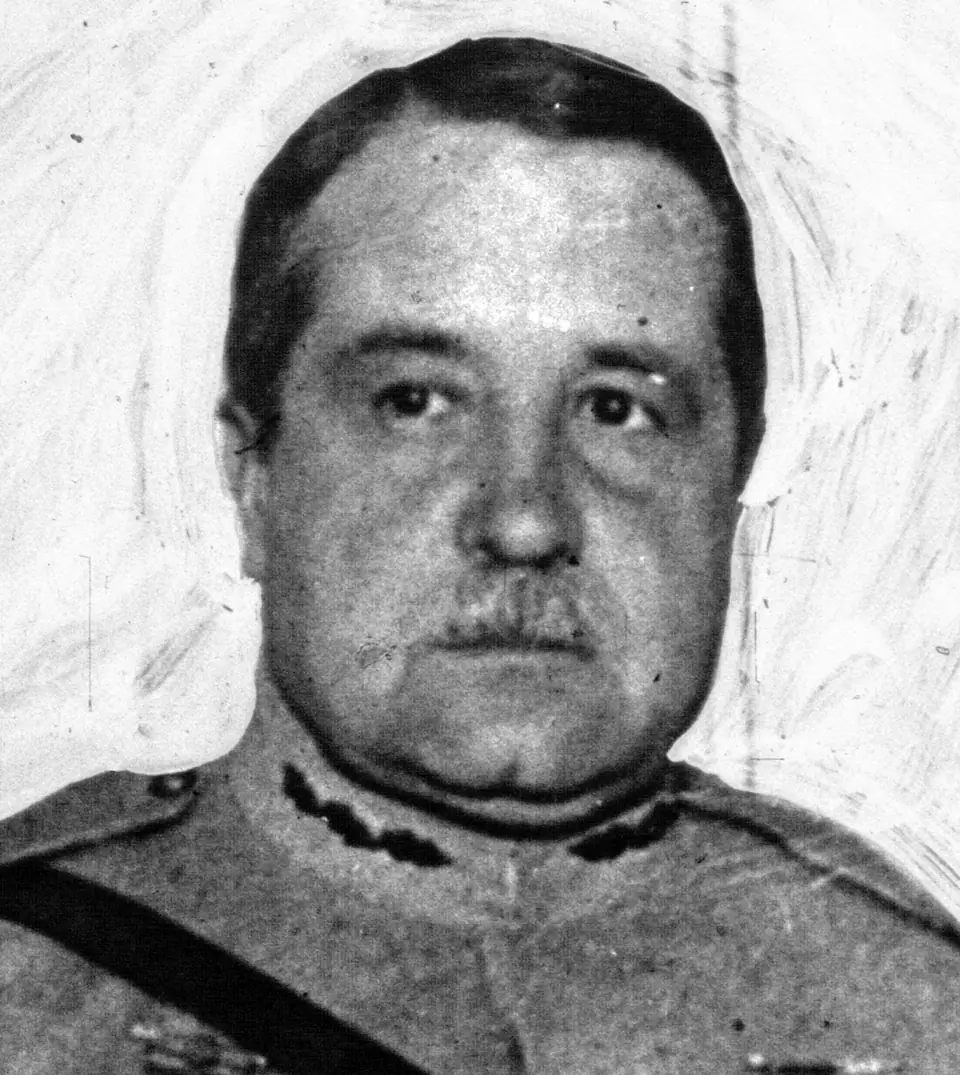
In 1949, the presidential campaign of General Norton de Matos, which brought together republicans, socialists, communists and Catholics, held rallies here.3 Photographs from Manuel Mendes’s papers, at the Casa Comum, show Isabel Aboim Inglez at the speakers’ table, beside Norton de Matos, and, at another rally, Maria Lamas and the doctor Cesina Bermudes, leaders of the women’s movement that supported the campaign.45 With no guarantee of a free vote, the general eventually withdrew before the election.
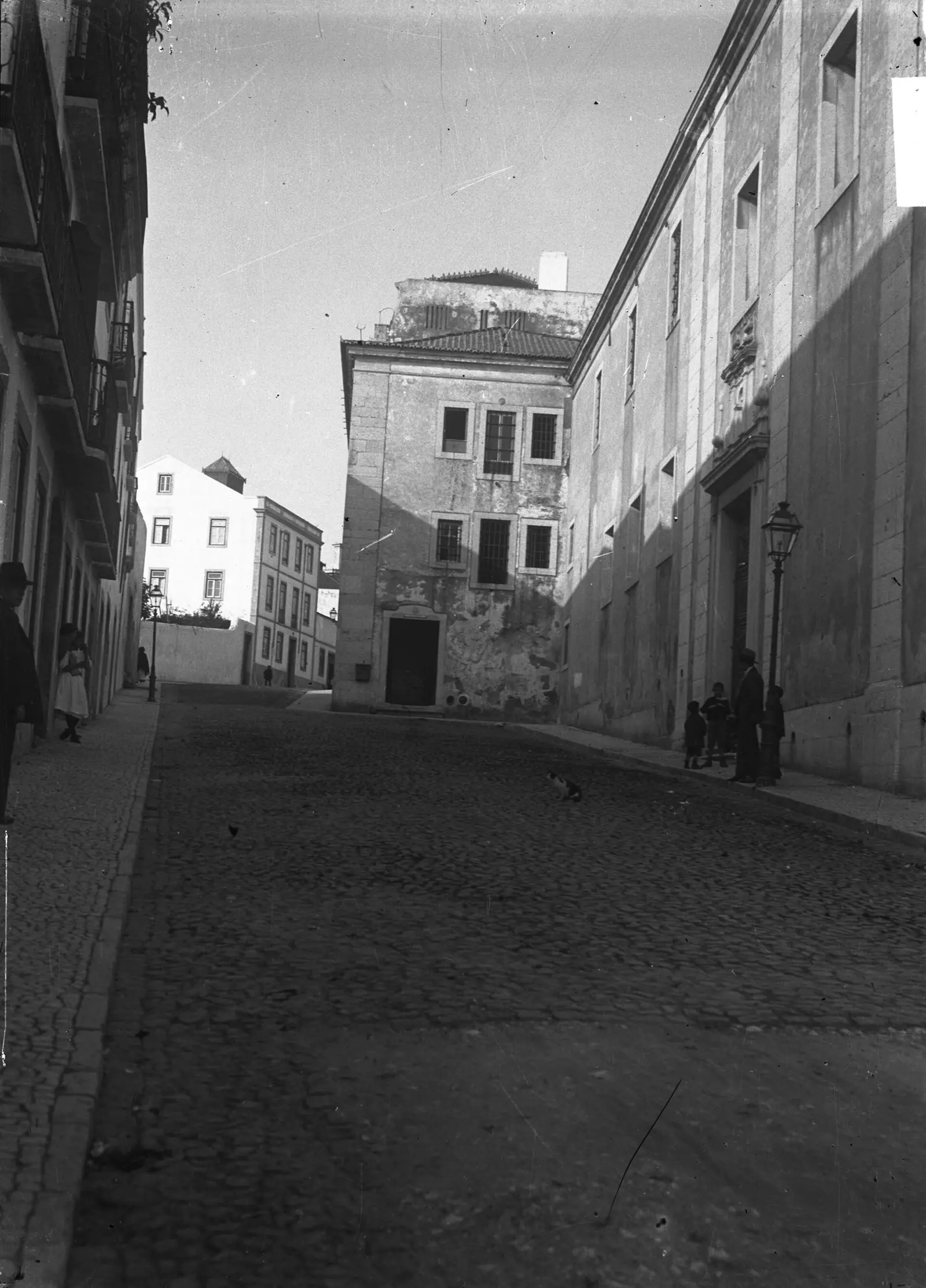
A 16th-century convent turned into a women’s prison. It was mainly a prison for common crimes, but it took in women political prisoners — and served as a punishment for women of the opposition, such as Isabel Aboim Inglez, sent here by the Plenary Court.
Today: Botequim bar (reopened in 2010 by new owners)
The bar Natália Correia opened in 1971 on Largo da Graça with three friends, and to which she moved the salon she held at home — where, in the words of a NOVA University guide, people discussed “literature, politics and feminism in freedom”.
Sophia de Mello Breyner Andresen lived on the first floor of no. 57 from 1951 until her death in 2004. A home with its doors open to the opposition, with one side facing the river and the other the lane of the Mónicas women’s prison.
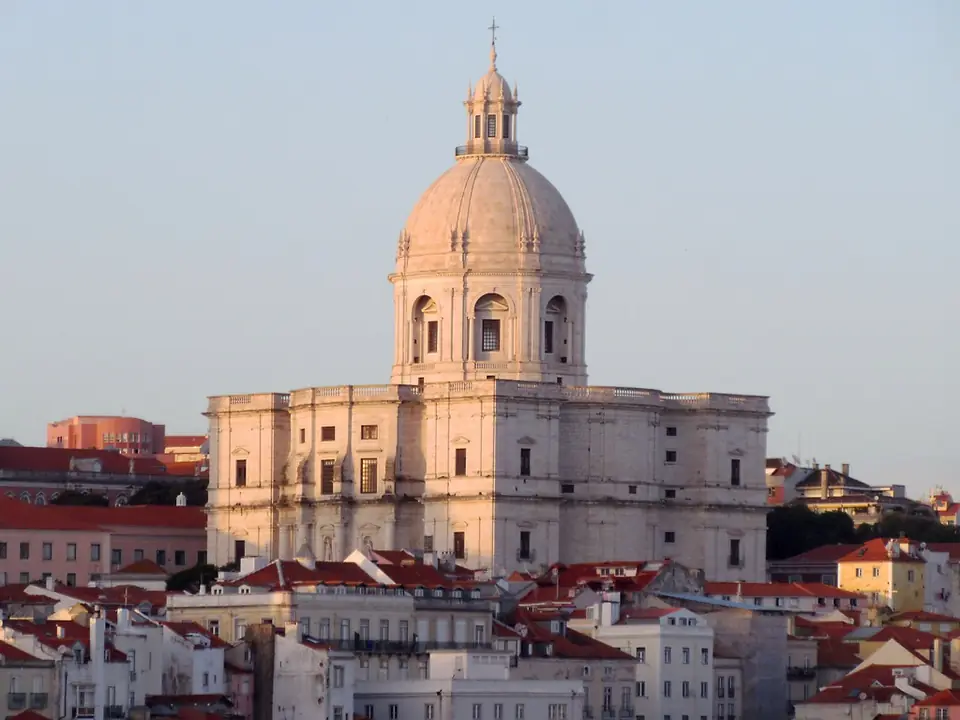
Since 1990 the remains of Humberto Delgado have rested here — the “Fearless General” (General sem Medo), murdered by the PIDE in 1965 together with his secretary, Arajaryr Campos — and, since 2014, those of the poet Sophia de Mello Breyner Andresen.
RepressionOpposition
Notes on the sources2
The two Casa Comum photographs give different dates (28 January and 10 February 1949) for the “Lisbon rally (Voz do Operário)”: it remains to be established whether there were two rallies or whether one of the dates is the cataloguing date.
Whether the rally of 10 February 1949 took place after the decision to withdraw from the election.
Do you know more, or do you have a document? Tell us.
Sources
1História. A Voz do Operário — consulted on 2 October 2026