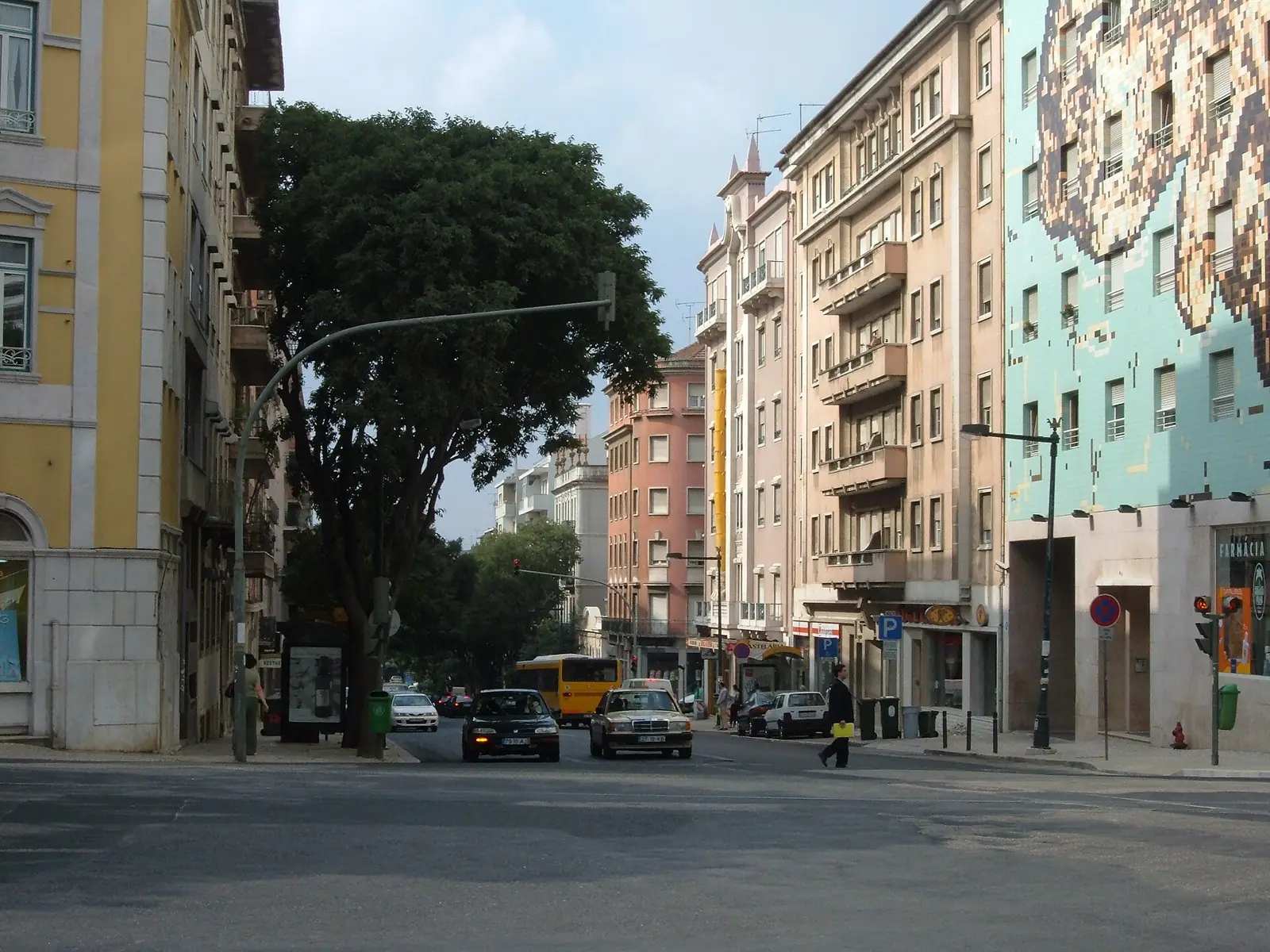
Headquarters of the Portuguese Women’s Association for Peace
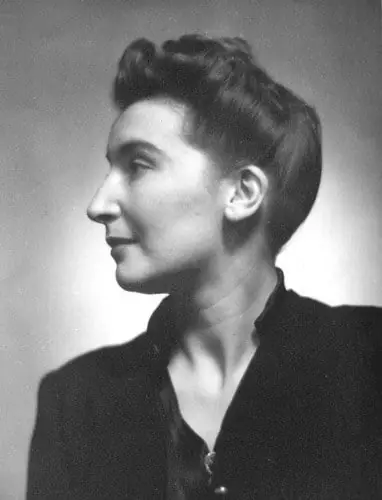
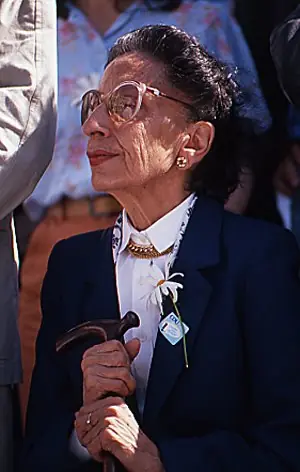
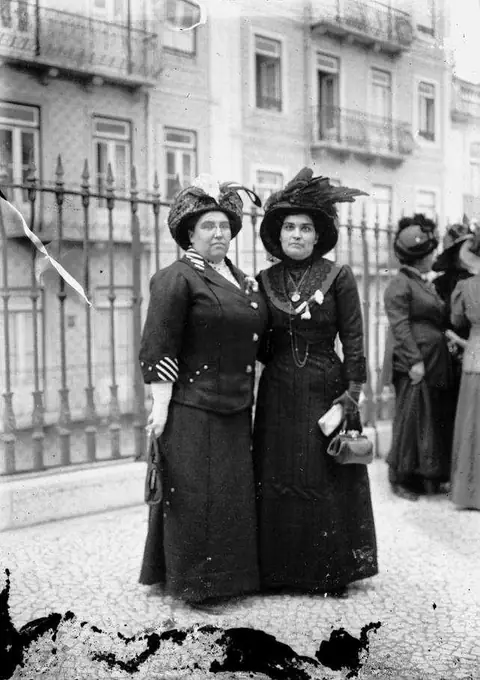
Headquarters of the Portuguese Women’s Association for Peace, which from 1935 to 1952 brought women together for peace and for their rights — from Maria Lamas, its president, to Stella Piteira Santos, Isabel Aboim Inglez and Maria Alda Nogueira. The Minister of the Interior dissolved it in 1952.
The Portuguese Women’s Association for Peace (AFPP) was formally established on 10 November 1935. The register of the Lisbon Civil Government, now in the archive of the Secretariat-General of the Ministry of Internal Administration, gives its headquarters as the second floor of no. 25 Rua Latino Coelho and, before that, the second floor of no. 4 Rua do Loreto.1 Among its founders was the primary school teacher Maria dos Santos Machado, a communist activist who signed herself “Rubina” in the clandestine press.4
On the eve of the Second World War, the association brought together women who were fighting for peace and for women’s rights.3Maria Lamas agreed to become its president in 1938.2Stella Piteira Santos was one of its first members, and during the war her German was put to use helping Jewish refugees, mostly from Germany, to reach Lisbon and find somewhere to live. Maria Alda Nogueira joined while still a student.4Isabel Aboim Inglez, Manuela Porto, Francine Benoit, Virgínia Moura and Elina Guimarães were also active in the association.53
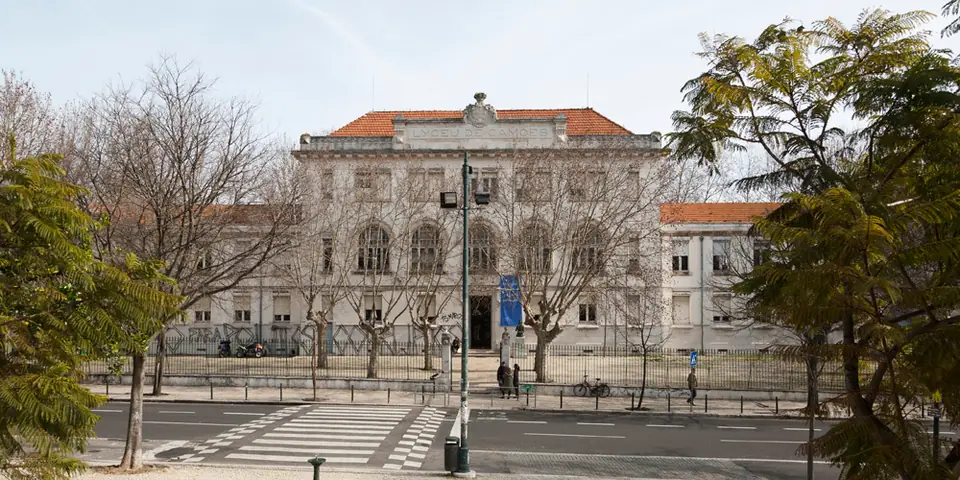
In the gymnasium of this secondary school, on 18 May 1958, Humberto Delgado held a presidential campaign rally, and the police violence was repeated afterwards. In 1945, it was here that the students from the colonies overthrew the board imposed on their House.
On 28 May 1911, the São Jorge de Arroios polling station was set up here. It was there that the doctor Carolina Beatriz Ângelo, registered by order of a judge, became the first woman to vote in Portugal.
Created by the regime in 1944 to foster “imperial unity” among students from the colonies, it became a school of opposition and anti-colonialism: Amílcar Cabral, Agostinho Neto and Alda do Espírito Santo passed through here. The PIDE closed it in 1965.
Here, on 13 January 1975, the Women’s Liberation Movement set out to burn the symbols of women’s oppression. Some two thousand shouting men broke up the demonstration. The bonfire never happened — and the “bra burning” is a legend.
WomenRevolution
Notes on the sources3
In which years each headquarters was in use, the one on Rua do Loreto and the one on Rua Latino Coelho: the Civil Government register says only that the former came first.
The year of foundation: 10 November 1935, in the Civil Government register; 1936, according to the Democratic Women’s Movement.
The point on the map marks Rua Latino Coelho, not the building at no. 25.
Do you know more, or do you have a document? Tell us.