Streets of the republican feminists in the Quinta dos Condes de Carnide
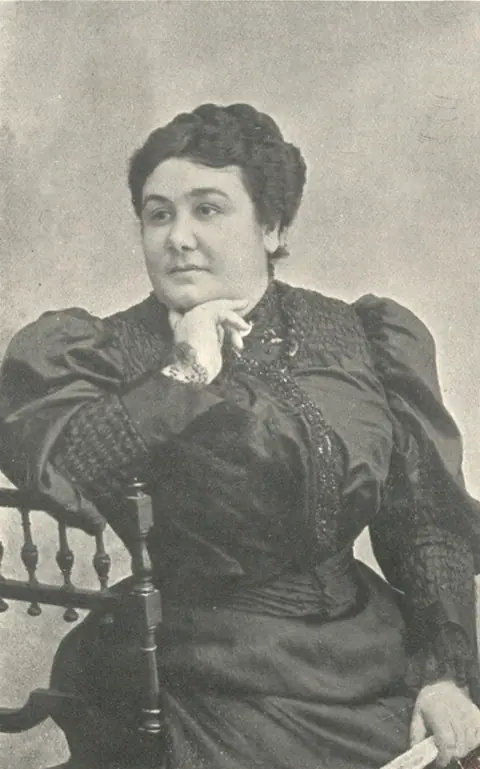
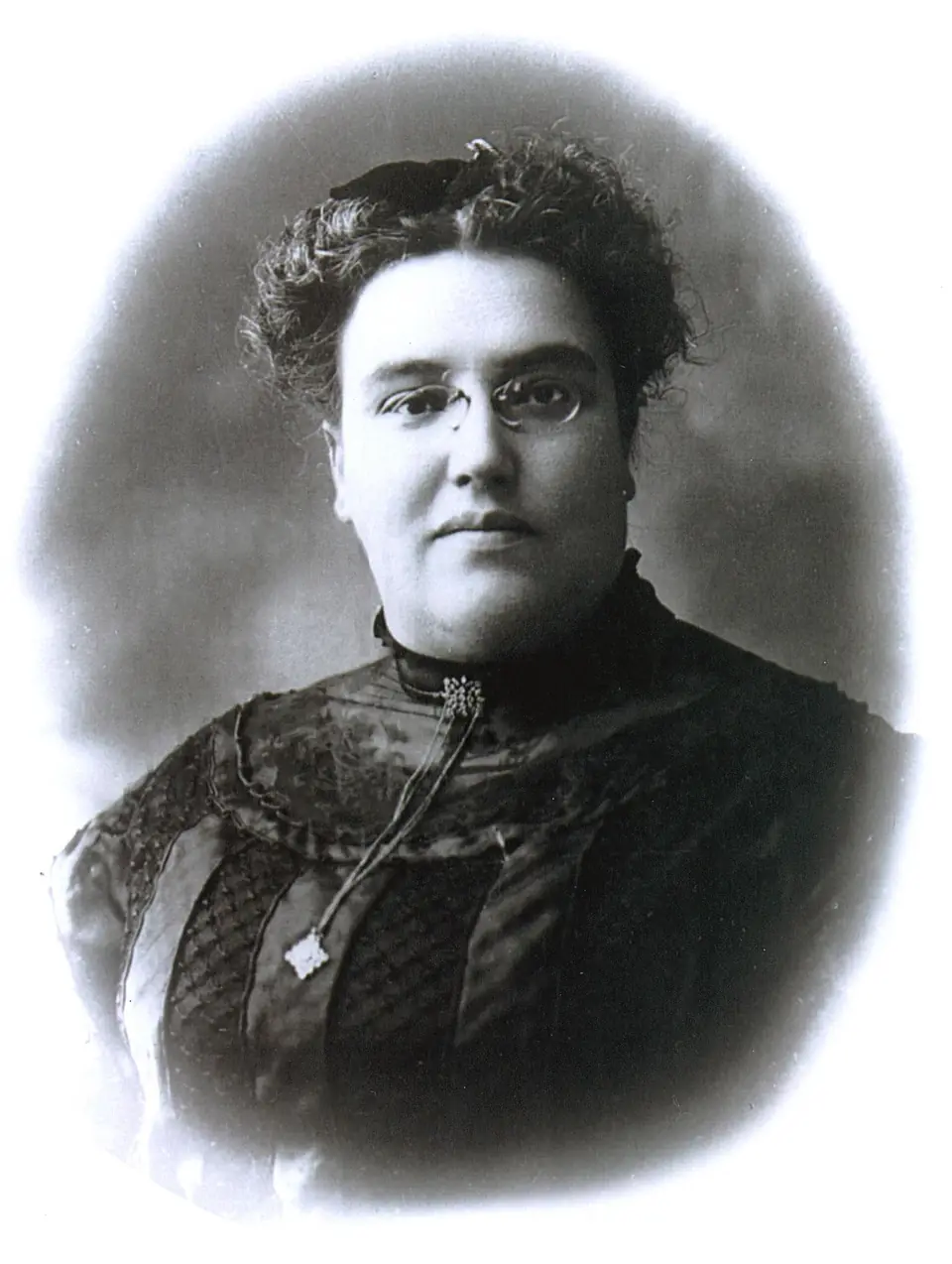
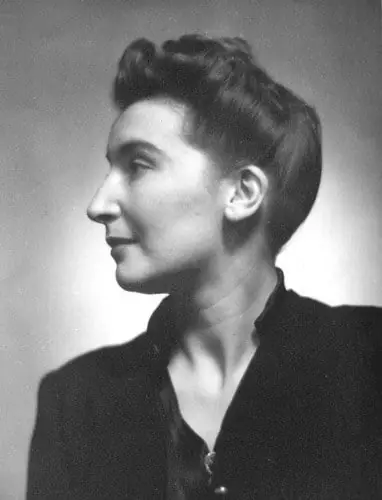
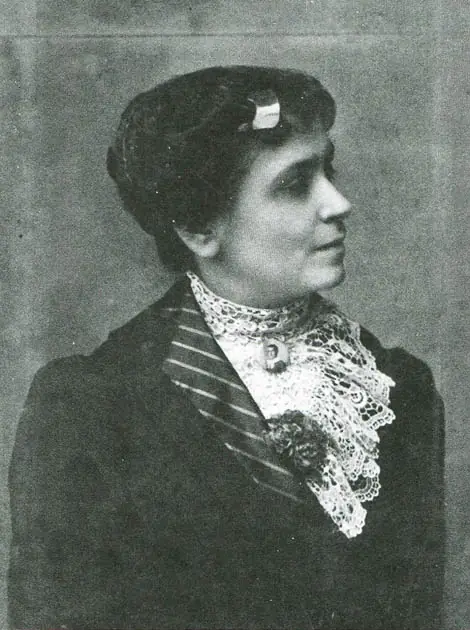
Lisbon’s first housing development with streets named only after women: in 1976, the new streets of the Quinta dos Condes de Carnide were given the names of Maria Veleda, Ana de Castro Osório, Adelaide Cabete and Guiomar Torresão; in 1978 four more followed, among them Manuela Porto.
Today: Rua Adelaide Cabete, Rua Ana de Castro Osório and Rua Maria VeledaThere is a marker at the siteApproximate location
In 1976, Maria de Lourdes Pais Guerreiro da Franca wrote to the City Council, with a petition of a few dozen signatures, asking for a street to be named after Maria Veleda. On 15 June, the Municipal Street Names Committee noted that the names of Ana de Castro Osório and Adelaide Cabete were “closely linked” to the work of Maria Veleda, founder of the Obra Maternal, and proposed all three for the still unnamed streets of the Quinta dos Condes de Carnide housing development, together with the writer Guiomar Torresão.1 The edict of 19 June 1976 made this the first housing development in Lisbon with streets named exclusively after women.3
The streets became Rua Ana de Castro Osório (Rua B), Rua Adelaide Cabete (Impasse 1), Rua Maria Veleda (Impasses 3 and 4) and Rua Guiomar Torresão (Rua E). An edict of 31 January 1978 added Rua Maria Brown, Rua Públia Hortênsia de Castro, Rua Adelaide Félix and Rua Manuela Porto.2 The captions contain errors: the committee’s proposal gave Adelaide Cabete the dates “1877 – 1935”, though she was born in 1867; Maria Veleda’s sign says “1871-1951”, though she died in 1955.123
They were women of the turn from the 19th to the 20th century.1 Ana de Castro Osório published As Mulheres Portuguesas (Portuguese Women), the first Portuguese feminist manifesto, in 1905, and in 1909 founded the Republican League of Portuguese Women.1 Adelaide Cabete, a doctor, founded the National Council of Portuguese Women in 1914 and presided over it for more than twenty years.2 Maria Veleda, a writer and teacher, chaired in 1907 the feminist group that gave evening classes to illiterate women, and in 1911 she presided over the League.3
Today: The MFA Command Post Museum, in the Pontinha Barracks
From 24 to 26 April 1974, the MFA Command Post operated in an annexe of these barracks. From here Otelo Saraiva de Carvalho directed the operations, and Marcelo Caetano was brought here after his surrender. Today it is a museum.
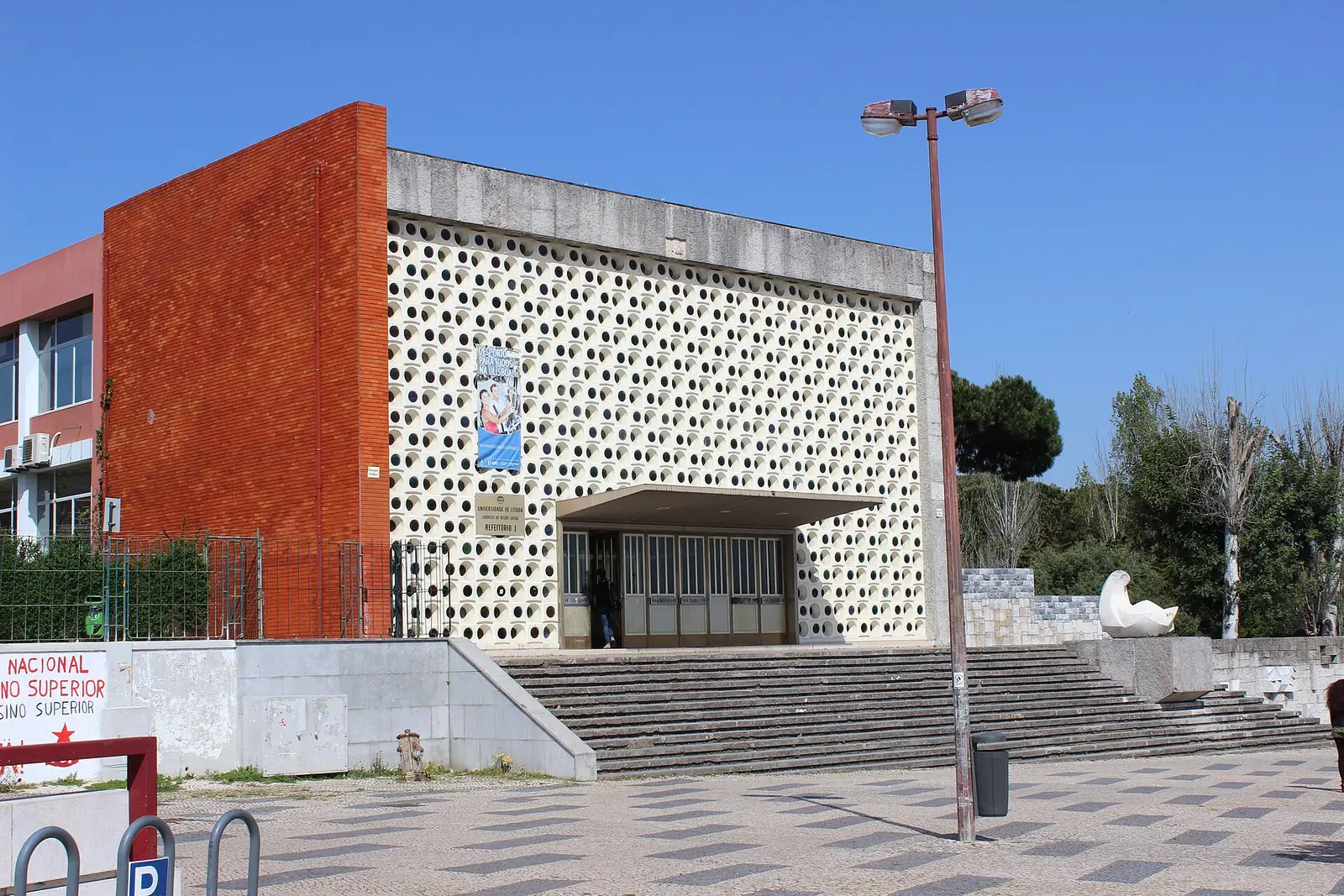
Today: Cantina Velha (Old Canteen) of the University of Lisbon
The Cidade Universitária canteen, opened in 1961, was the stage for the hunger strike of May 1962: 81 students refused to eat, hundreds joined them, and in the early hours of 11 May the police surrounded it and arrested them one by one.
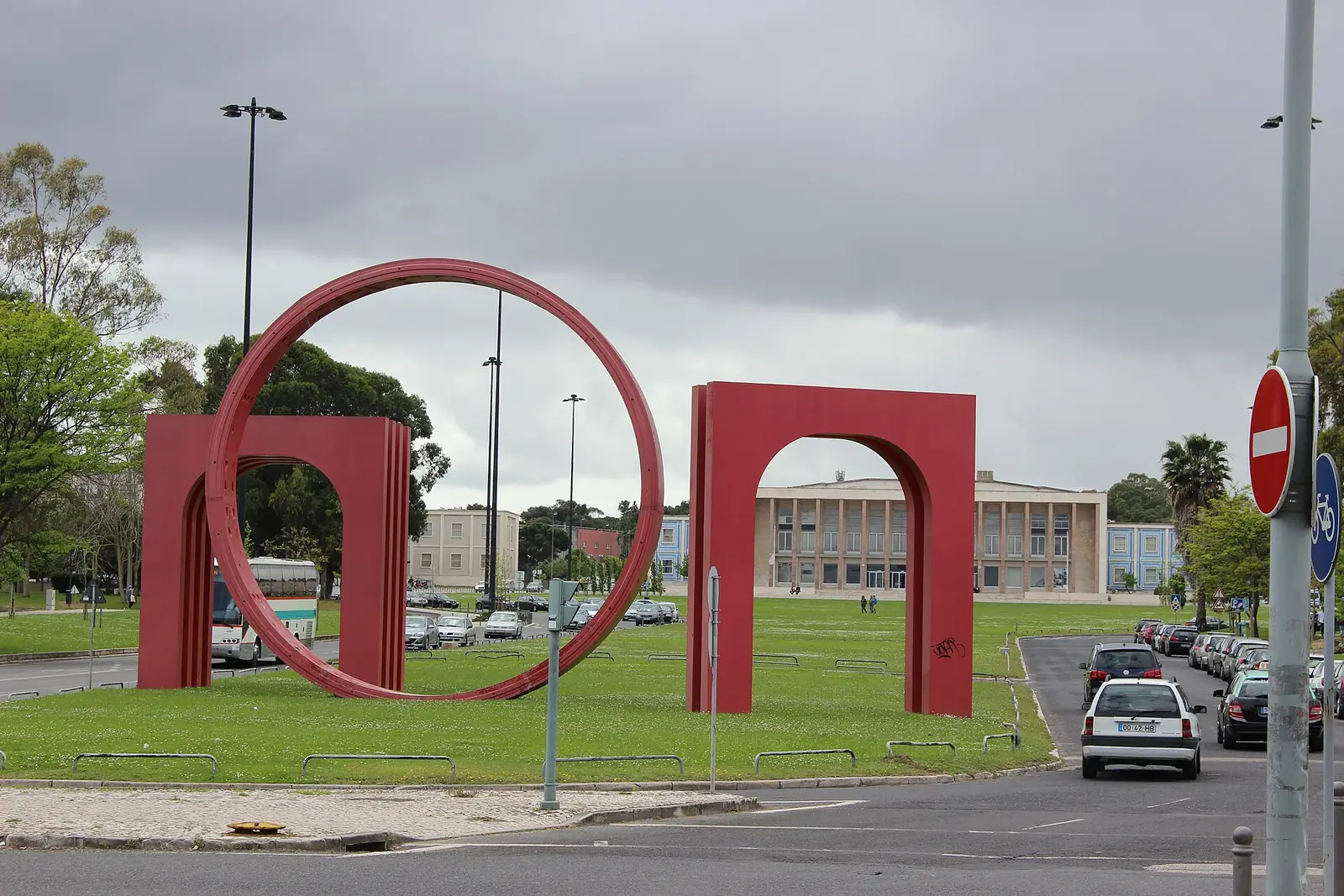
In the 1962 academic crisis, the rector was Marcelo Caetano: from the balcony of the Rectorate he defended the university’s autonomy and, when the government banned Students’ Day again, he resigned. The open ground in front filled with students’ plenary meetings.
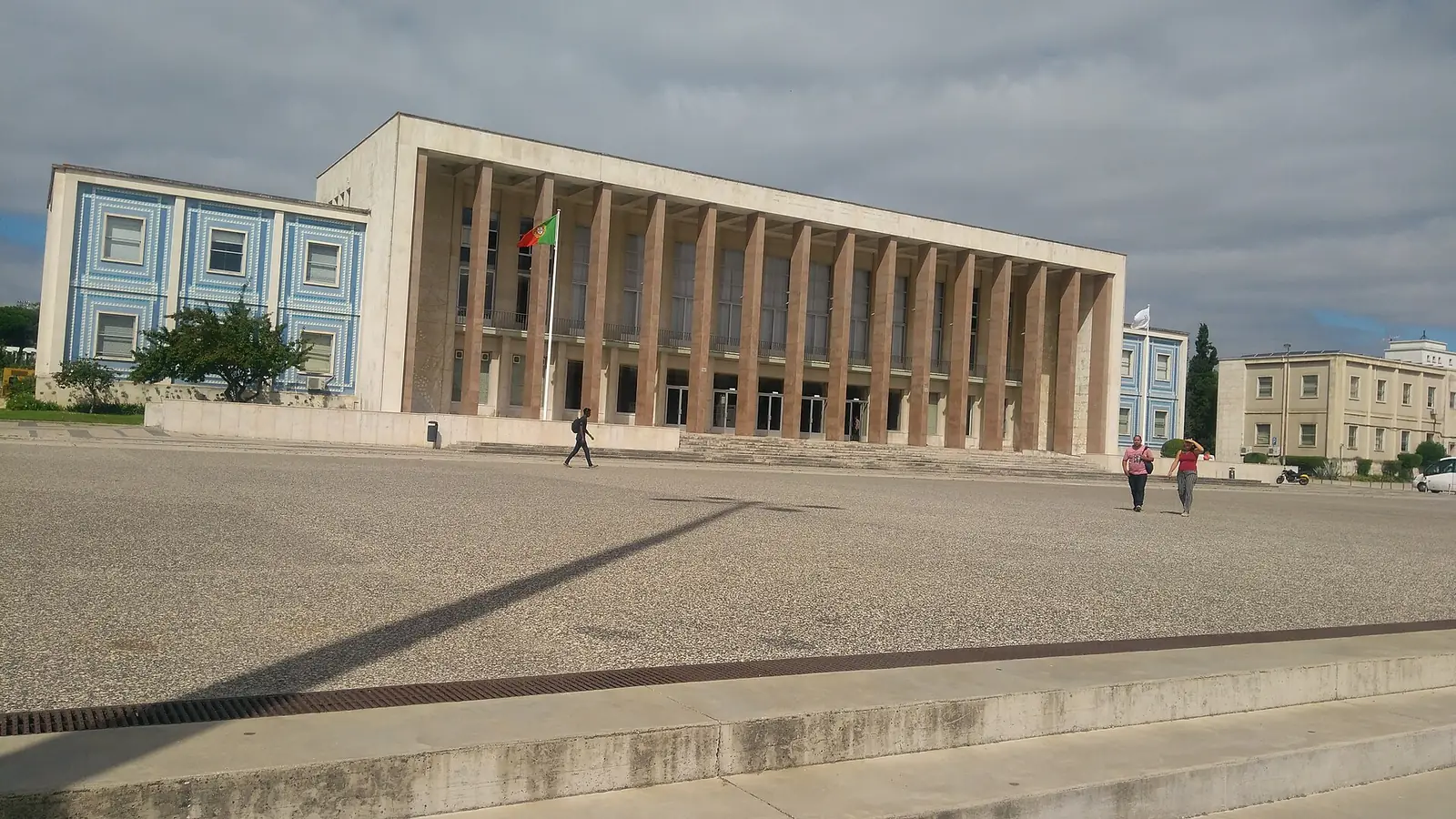
Today: Cidade Universitária – University of Lisbon
The 1962 academic crisis began here: when Students’ Day was banned, on 24 March, the riot police charged the students. At the general assemblies that followed, Isabel do Carmo was the first woman to take the floor.
StudentsRepressionWomen
Notes on the sources1
The current wording of the signs on Rua Adelaide Cabete and Rua Ana de Castro Osório (whether Adelaide Cabete’s repeats the “1877” error).
Do you know more, or do you have a document? Tell us.