Alvalade
Rectorate of the University of Lisbon
In the 1962 academic crisis, the rector was Marcelo Caetano: from the balcony of the Rectorate he defended the university’s autonomy and, when the government banned Students’ Day again, he resigned. The open ground in front filled with students’ plenary meetings.
Marcelo Caetano, a leading figure of the Estado Novo (“New State”) and a former Minister for the Colonies and Minister of the Presidency, became rector of the University of Lisbon on 20 January 1959.3 In the spring of 1962, the government banned the Students’ Day celebrations and the riot police charged the students at the University Stadium and in Campo Grande.2 The rector was greeted with applause by the students gathered at the Stadium and, later, from the balcony of the Rectorate, he spoke to them and reaffirmed that the university’s autonomy had to be respected. As an alternative to the banned celebrations, he invited them to a dinner at the Castanheira de Moura restaurant, in Lumiar — and did not turn up.1
On 26 March, the student associations of Lisbon and Coimbra declared “luto académico” (academic mourning), a strike from classes. The government backed down and agreed that Students’ Day could be celebrated on 7 and 8 April, but on 5 April it banned it again. That day, feeling his authority undermined, Marcelo Caetano tendered his resignation, and the mourning strike resumed.21 The university says that he resigned because he felt his authority had been undermined by the police response, and gives 12 April as the end of his term.3
During the three months of mourning, the open ground in front of the Rectorate was the scene of countless student gatherings.4 The open-air plenary meetings — here, in front of the faculties and in the University Stadium, in the Cidade Universitária — were something new in a gagged society, where public debate was rare: the student association leaders spoke directly to thousands of students and put decisions about the resistance to the vote.2
Six years later, in September 1968, the former rector was sworn in as President of the Council (head of government), in place of Salazar.5
On the walks
From the archives
In other archives
These can only be viewed on each archive’s own website.
Where it is
Map showing where Rectorate of the University of Lisbon is.
Dates
20 January 1959
Marcelo Caetano becomes rector.
26 March 1962
The student associations declare “luto académico” (academic mourning).
5 April 1962
The government bans Students’ Day again; Marcelo Caetano tenders his resignation.
12 April 1962
The rector’s term ends.
People connected with this place

Nearby
150 m · 5 min on foot
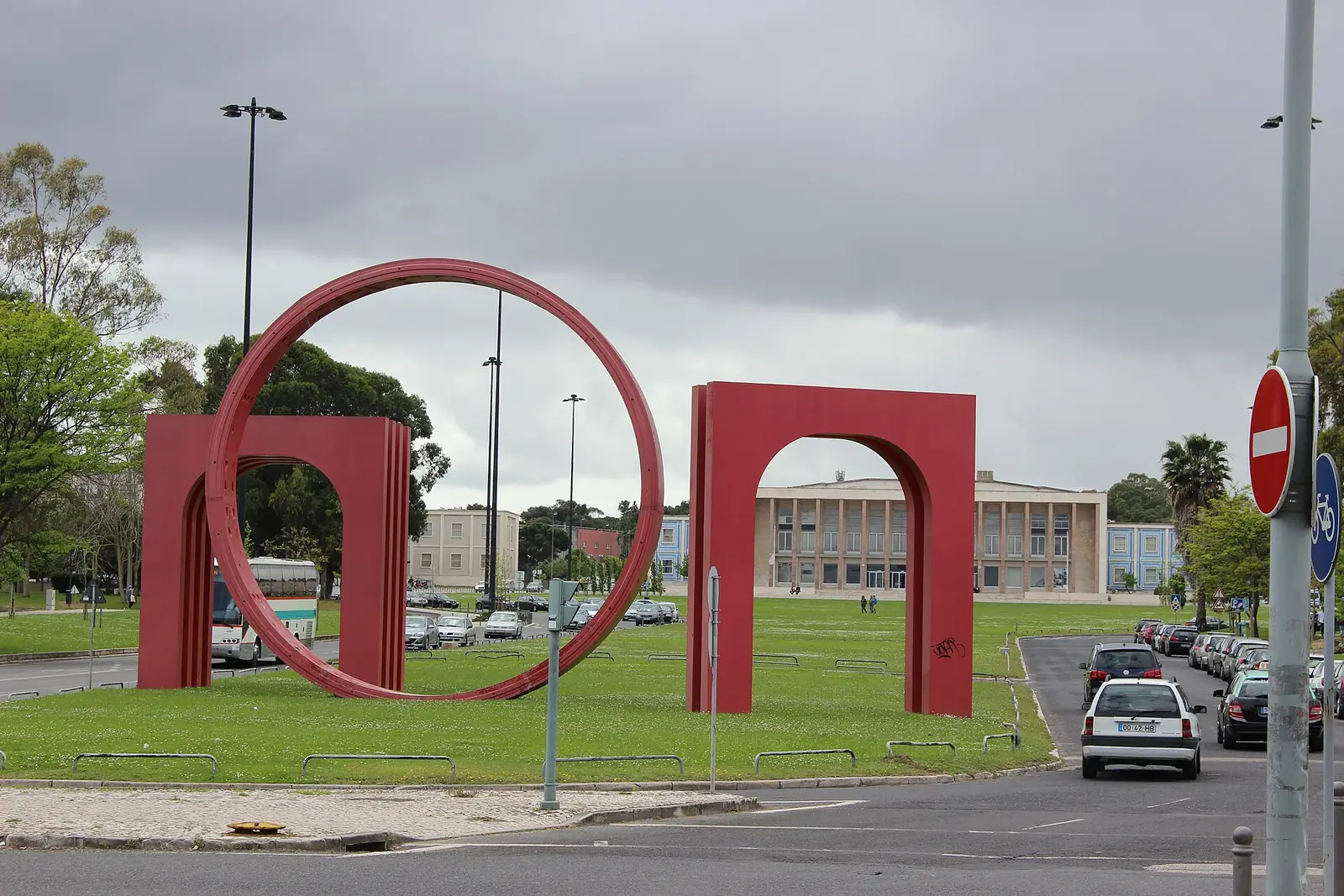
Cidade Universitária de Lisboa (University Stadium and faculties)
Today: Cidade Universitária – University of Lisbon
The 1962 academic crisis began here: when Students’ Day was banned, on 24 March, the riot police charged the students. At the general assemblies that followed, Isabel do Carmo was the first woman to take the floor.
StudentsRepressionWomen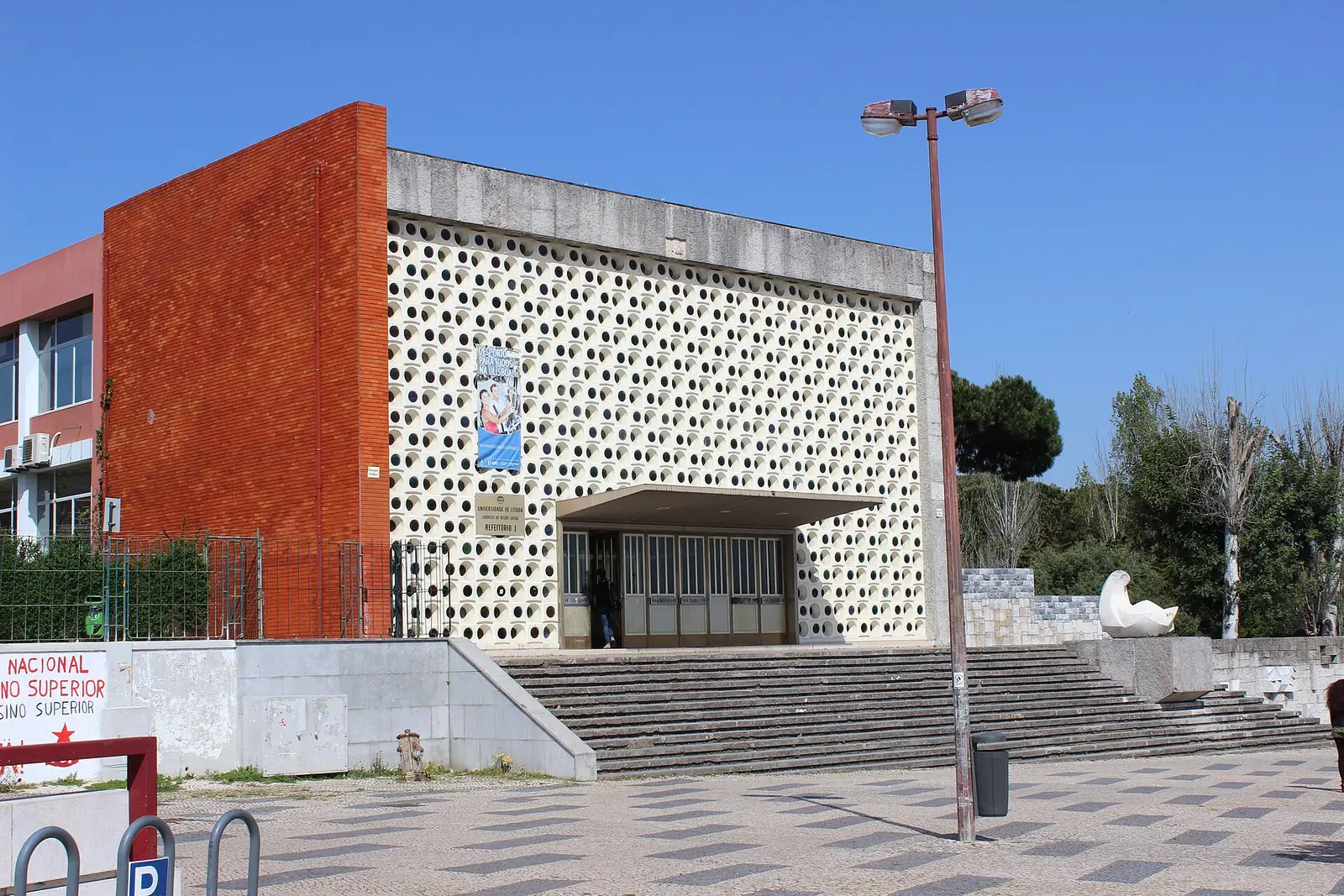
270 m · 5 min on foot
Cidade Universitária Canteen
Today: Cantina Velha (Old Canteen) of the University of Lisbon
The Cidade Universitária canteen, opened in 1961, was the stage for the hunger strike of May 1962: 81 students refused to eat, hundreds joined them, and in the early hours of 11 May the police surrounded it and arrested them one by one.
StudentsRepressionWomen920 m · 15 min on foot
RTP studios in Lumiar
The former RTP studios in Lumiar were occupied in the early hours of 25 April 1974 by a column from the Military Administration Practical School. It was from here that the National Salvation Junta presented itself to the country, in the early hours of the 26th.
Revolution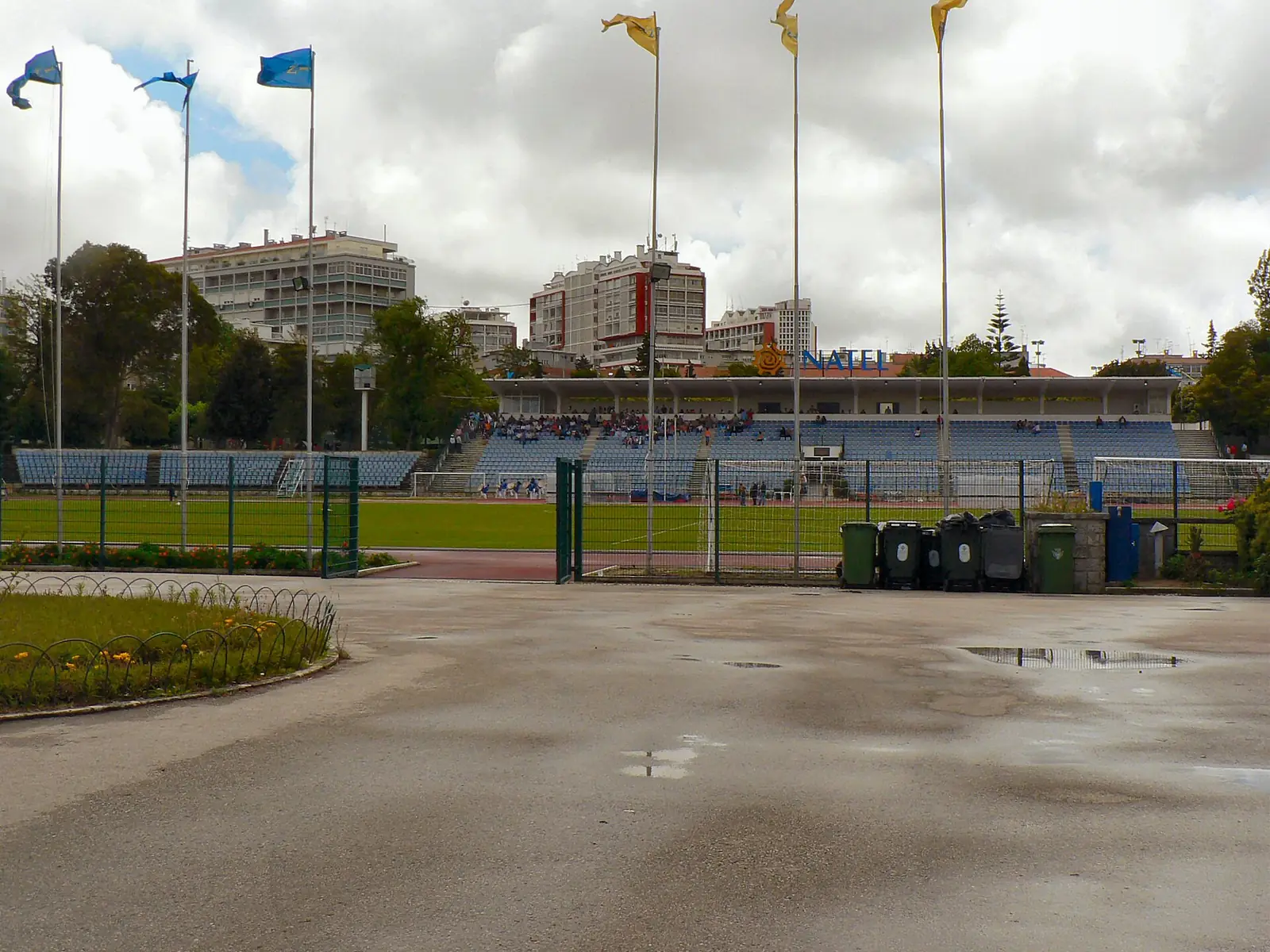
1.6 km · 25 min on foot
FNAT Stadium (renamed Estádio 1.º de Maio)
Today: Estádio 1.º de Maio
On the first May Day in freedom, a week after the revolution, the Lisbon march ended in a rally at this FNAT stadium, which that day was renamed Estádio 1.º de Maio (May Day Stadium). At the rally, Mário Soares embraced Álvaro Cunhal.
LabourRevolution


Notes on the sources2
- The day on which Marcelo Caetano spoke to the students from the balcony of the Rectorate.
- Whether any woman student spoke at the plenary meetings in front of the Rectorate: the sources consulted only record Isabel do Carmo’s speech in the University Stadium.
Do you know more, or do you have a document? Tell us.
Sources
- 1O Dia do Estudante. Comissão Comemorativa 50 Anos 25 de Abril — consulted on 2 October 2026
- 2A Crise Académica de 1962: Contestação vs Repressão. Comissão Comemorativa 50 Anos 25 de Abril — consulted on 2 October 2026
- 3Marcelo José das Neves Alves Caetano – Antigo Reitor. Universidade de Lisboa — consulted on 2 October 2026
- 4Crise académica de 1962. Wikipédia — consulted on 2 October 2026
- 5Cerimónia de tomada de posse de Marcelo Caetano. RTP Arquivos — consulted on 2 October 2026
Coordinates: OpenStreetMap (Nominatim), consultado a 2 de outubro de 2026.