O estandarte da Liga Republicana das Mulheres Portuguesas, de cerca de 1909–1911.Autor desconhecido, Public domain
Arroios
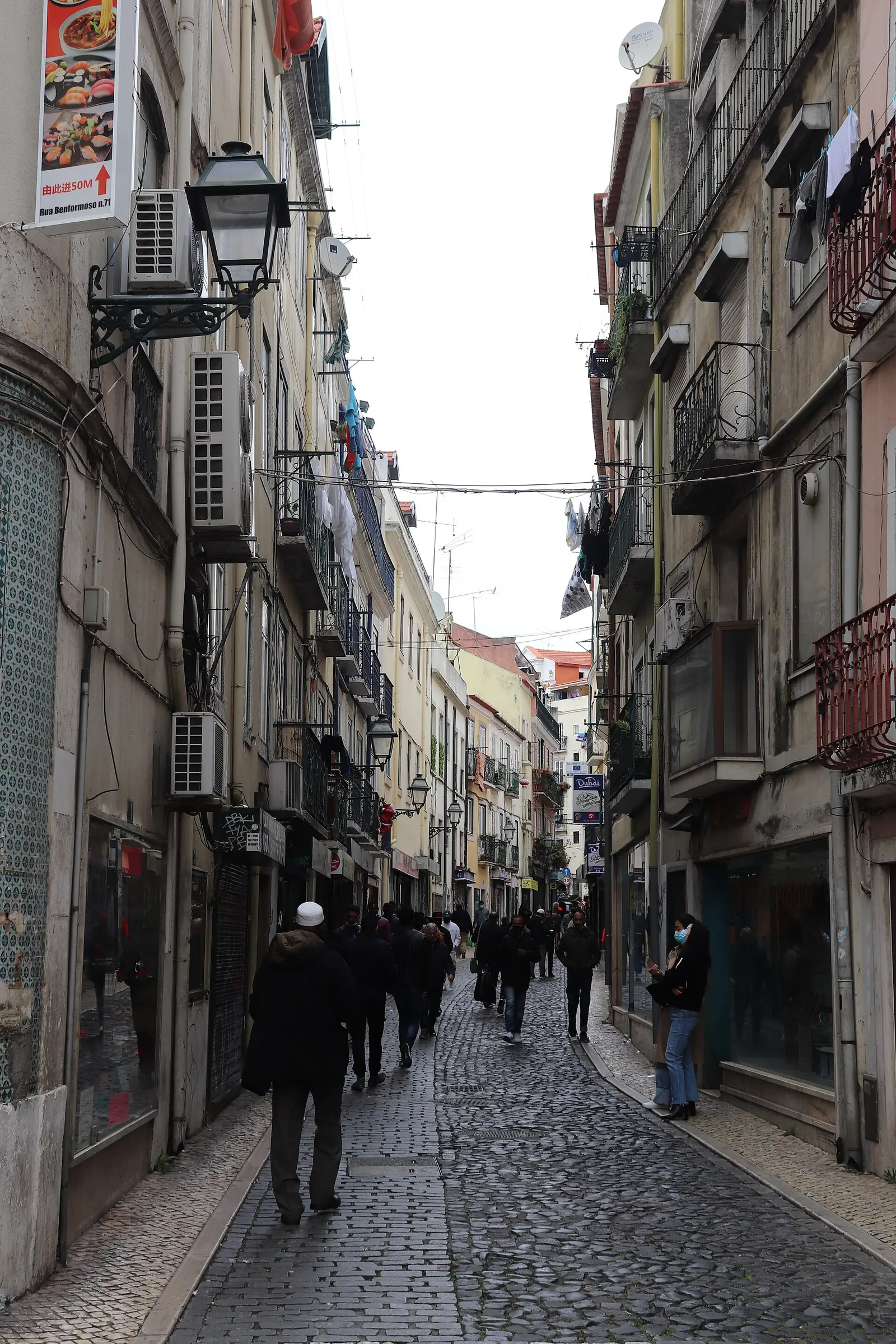
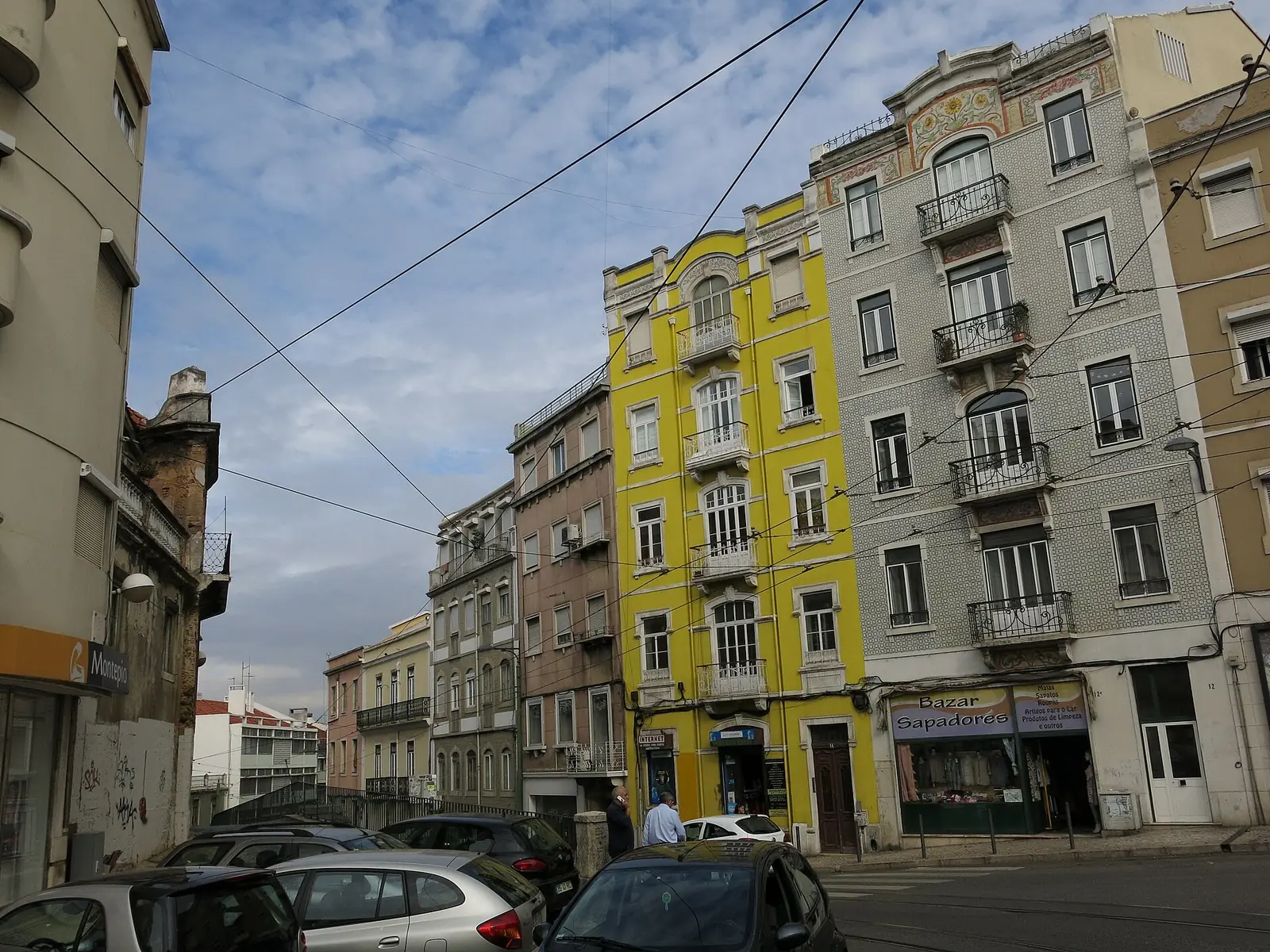
Headquarters of the Republican League of Portuguese Women (Rua dos Castelinhos, 6)
The Republican League of Portuguese Women — the league of Ana de Castro Osório, Carolina Beatriz Ângelo, Adelaide Cabete and Maria Veleda — was founded in 1909 on the 2nd floor of no. 6 on this street. It was the first association to bring together the defence of feminism and of the Republic.
The idea was launched in August 1908 by Ana de Castro Osório and António José de Almeida, with the support of Bernardino Machado and Magalhães Lima. In February 1909, the Republican League of Portuguese Women took legal form, as an association that was at once political and feminist: it sought “to guide, educate and instruct Portuguese women in democratic principles” and to revise the laws “in so far as they especially concern women and children”.3 It was founded on the 2nd floor of no. 6 on this street.14
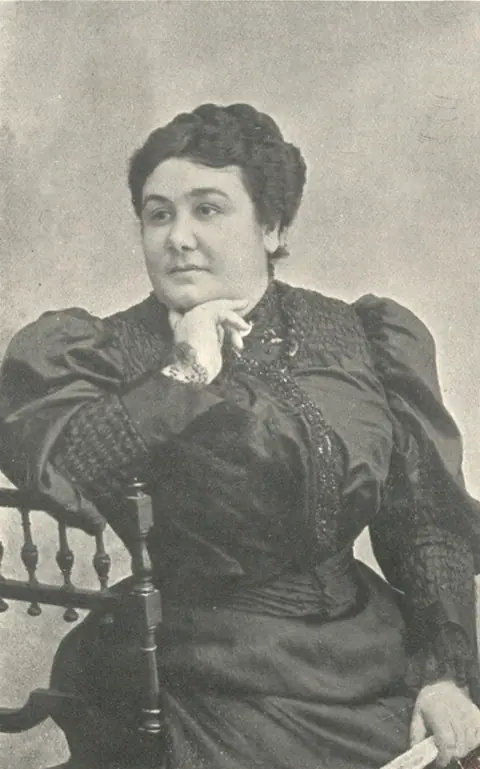
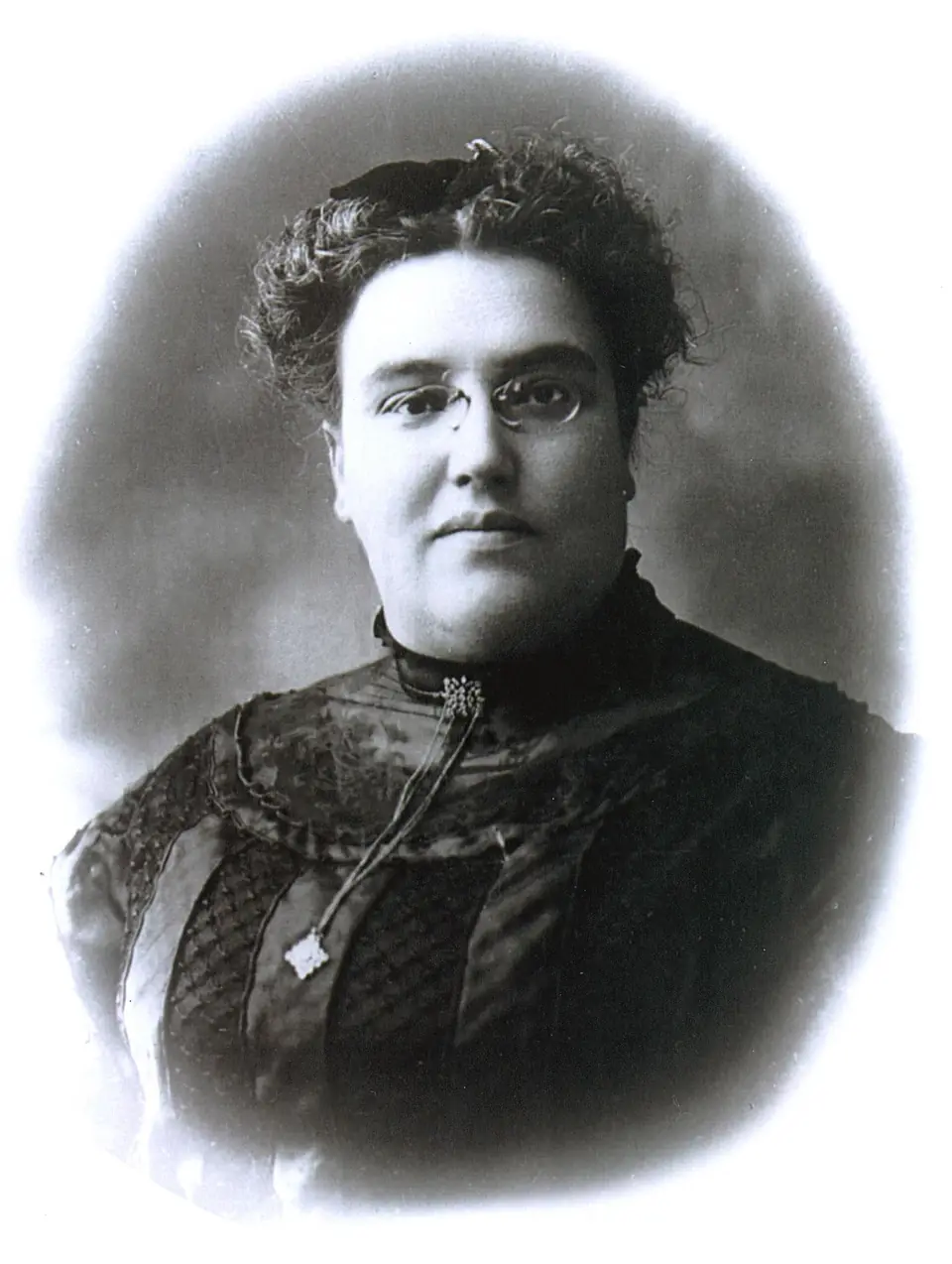
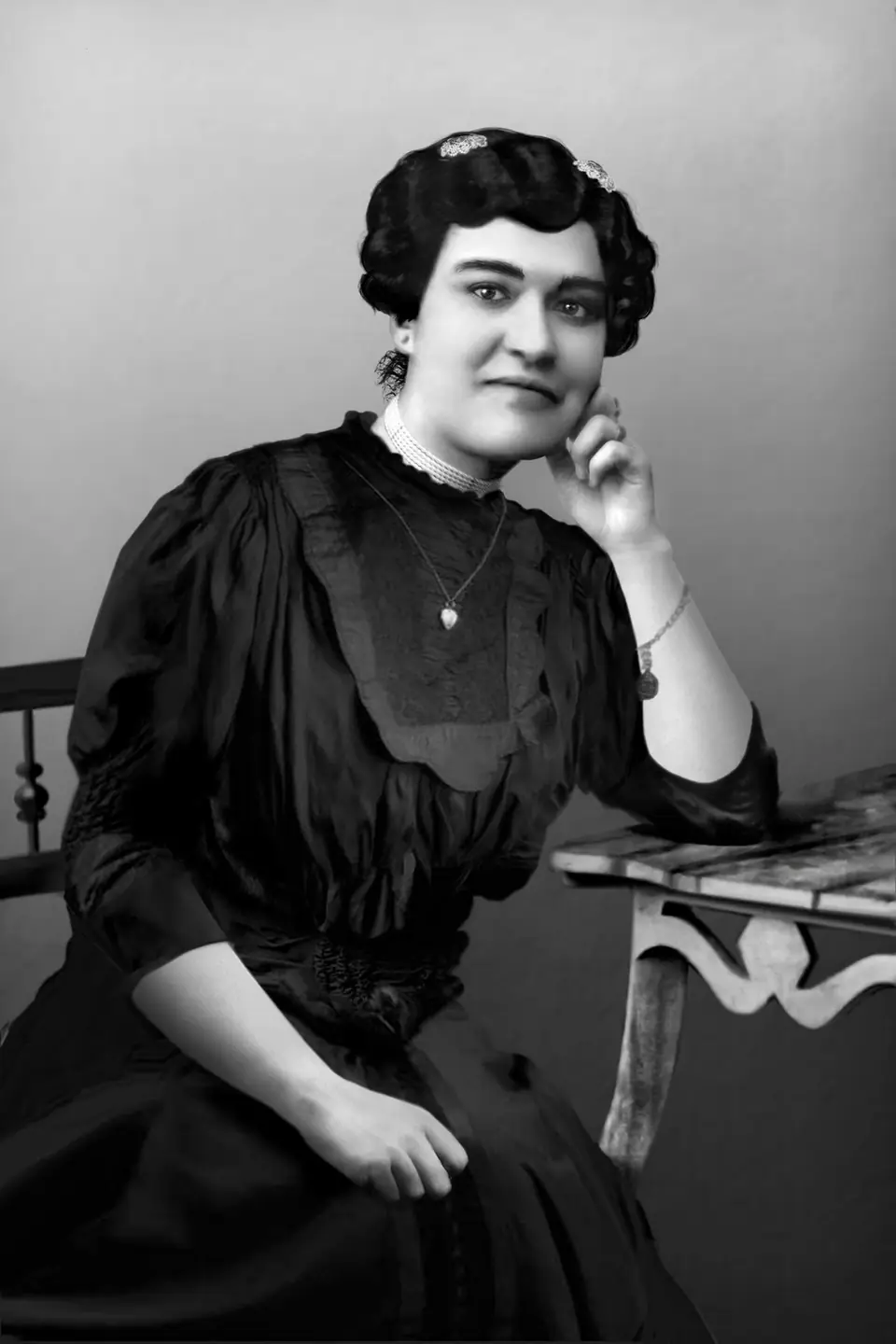
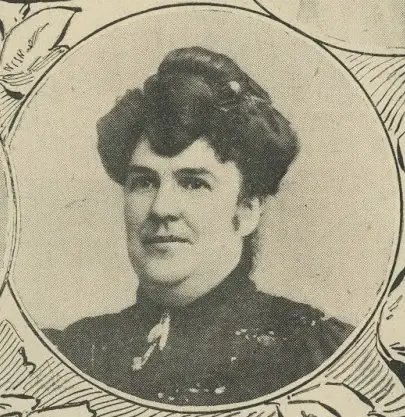
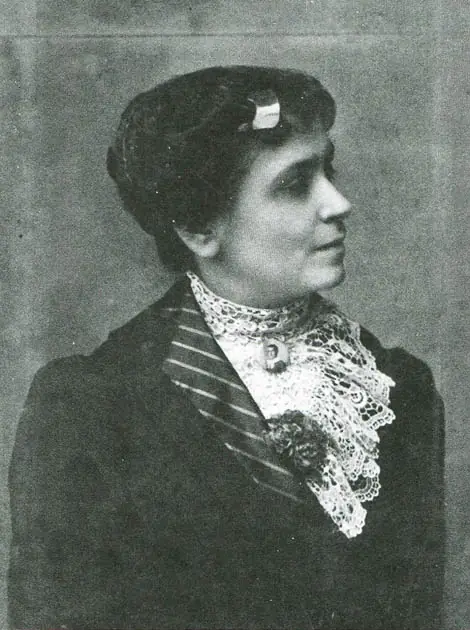
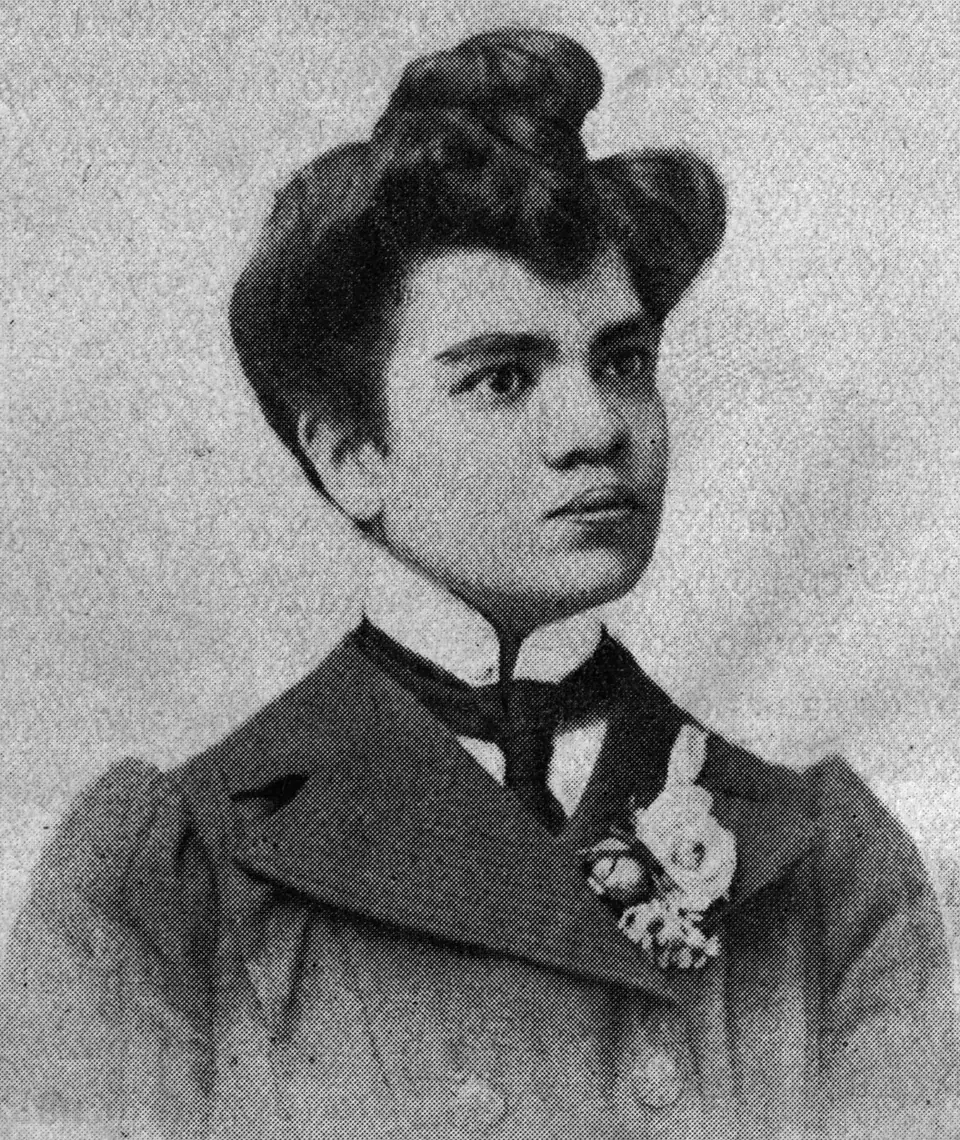
At its head were Ana de Castro Osório and the doctors Carolina Beatriz Ângelo and Adelaide Cabete, with Fausta Pinto da Gama, Maria Benedita Mouzinho de Albuquerque Pinho, Ana Maria Gonçalves Dias, Rita Dantas Machado and others. Maria Veleda was left off the organising committee, because António José de Almeida thought her too revolutionary. In 1909 the League also created the Obra Maternal (Maternal Work), to take in and educate children abandoned on the streets of Lisbon.4 On 12 May 1910, a supplement of O Século on the League’s suffragists published portraits of several of them, among them Maria Clara Correia Alves and Sofia Quintino.4
The League’s magazine, A Mulher e a Criança (Woman and Child), came out from April 1909 to May 1911 and was distributed free to its members, about a thousand of them.4 Its editorial office began at Rua do Alecrim, 82, moved to this address from issue no. 3 and, from issue no. 9, to Rua dos Poiais de São Bento, 129. Its contributors included Adelaide Cabete and Maria Clara Correia Alves; Maria Veleda edited the magazine from August 1910 and then the newspaper that succeeded it, A Madrugada (The Dawn).2
Three weeks after 5 October, the general meeting of 26 October 1910 approved the list of demands to be presented to the minister Afonso Costa; one of the speakers was the journalist Virgínia Quaresma.6 On 27 November, the League handed the Provisional Government a petition for the revision of the Civil Code, for divorce and for the vote — the latter, so as not to cause friction, only for women who were of age, paid taxes and were educated. On 3 February 1911, a committee led by Carolina Beatriz Ângelo took the request for the vote to Teófilo Braga once again.4
It was this restricted vote that split the League: Ana de Castro Osório and Carolina Beatriz Ângelo supported it, while Maria Veleda wanted the vote for all women, without restrictions. The split gave rise, on 12 May 1911, to the Feminist Propaganda Association.5 Maria Veleda replaced Ana de Castro Osório and was the League’s longest-serving leader.4 On 9 July 1912, the League asked the Senate to enshrine votes for women in the electoral law; Senator João de Freitas replied that it brought together “only a few hundred Portuguese women”.5 The League is thought to have come to an end around 1919.4
Today, the Feminist Routes (Roteiros Feministas) of UMAR and of the Faces de Eva research team, at NOVA University Lisbon, take in the League’s “headquarters” on the route from Jardim Constantino to Martim Moniz.7
In 1915 the Seamstresses and Stitchers’ union had its headquarters here. It was here that Adelaide Abrantes called the women workers of Ramiro Leão & C.ª, who went on strike against the dismissal of three colleagues and were dispersed by the GNR.
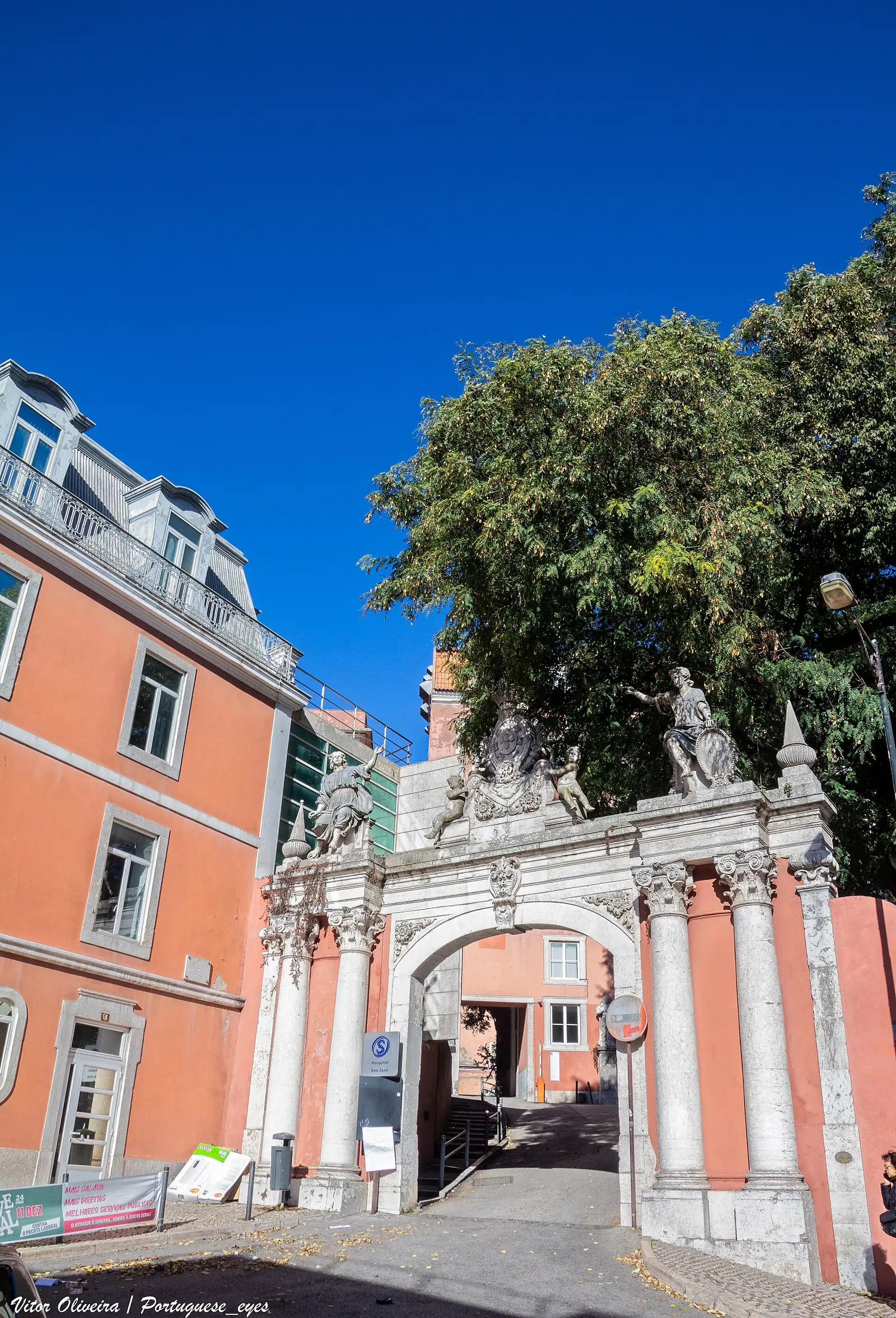
It was in this hospital that Carolina Beatriz Ângelo became the first Portuguese woman doctor to operate. On the night of 25 April 1974, it took in those wounded by the PIDE/DGS shooting on Rua António Maria Cardoso; the student João Arruda died here.
In 1924 the former Caminho do Forno do Tijolo was named after Angelina Vidal, a republican propagandist, with the caption “Illustrious Lecturer and Propagandist of Social Emancipation”. She did not live here: she died in 1917 on nearby Rua de São Gens.
In 1946 this former palace on Calçada de Sant'Ana became the headquarters of the FNAT, the National Foundation for Joy at Work, through which the corporative State filled workers’ free time. It is still the headquarters of the INATEL Foundation, which succeeded it.
LabourRepression
Notes on the sources5
How long the League had its headquarters at no. 6, and where the other “headquarters” were that the Feminist Routes place between Jardim Constantino and Martim Moniz.
The day of the League’s legal constitution, in February 1909.
The year the Feminist Propaganda Association was founded: 12 May 1911 (Assembly of the Republic) or 1912 (Toponímia de Lisboa). The Assembly of the Republic’s date has been kept.
What is at no. 6 today, and whether there is any marker of the League on the building.
The point on the map marks the street, not no. 6, which is not identified in OpenStreetMap.
Do you know more, or do you have a document? Tell us.




.png)