Dr Afonso Costa Republican School Centre — evening classes for women (Calçada de Arroios)
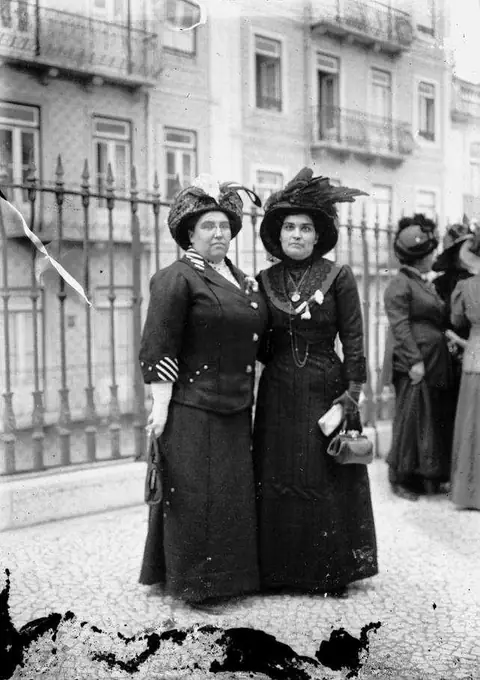
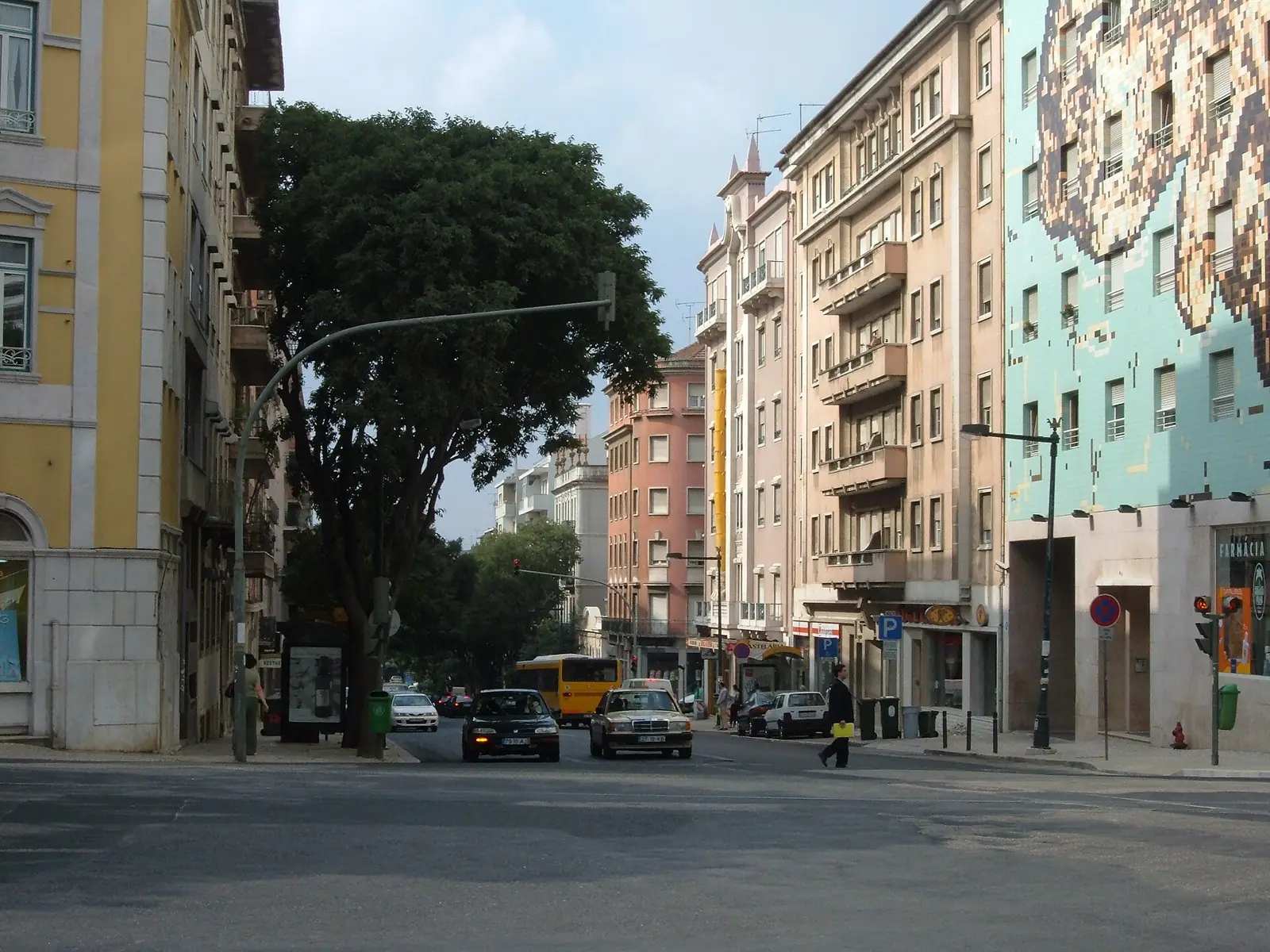
In this republican centre on Calçada de Arroios, while the monarchy still ruled, Maria Veleda set up free evening courses to teach women to read and write; in 1907, the Portuguese Group for Feminist Studies gave classes here to illiterate women.
In the last years of the monarchy, the Dr Afonso Costa Republican School Centre operated on Calçada de Arroios, run by the republican Alves Torgo. It was also a meeting place: republican figures such as Magalhães Lima, Afonso Costa, Manuel de Arriaga, Bernardino Machado and António José de Almeida gathered there in the evenings.2
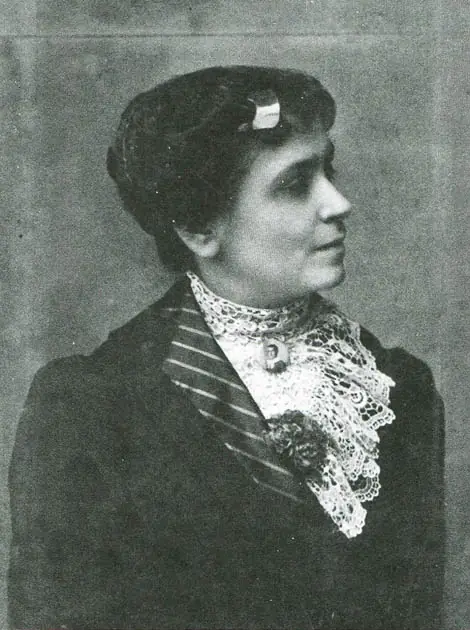
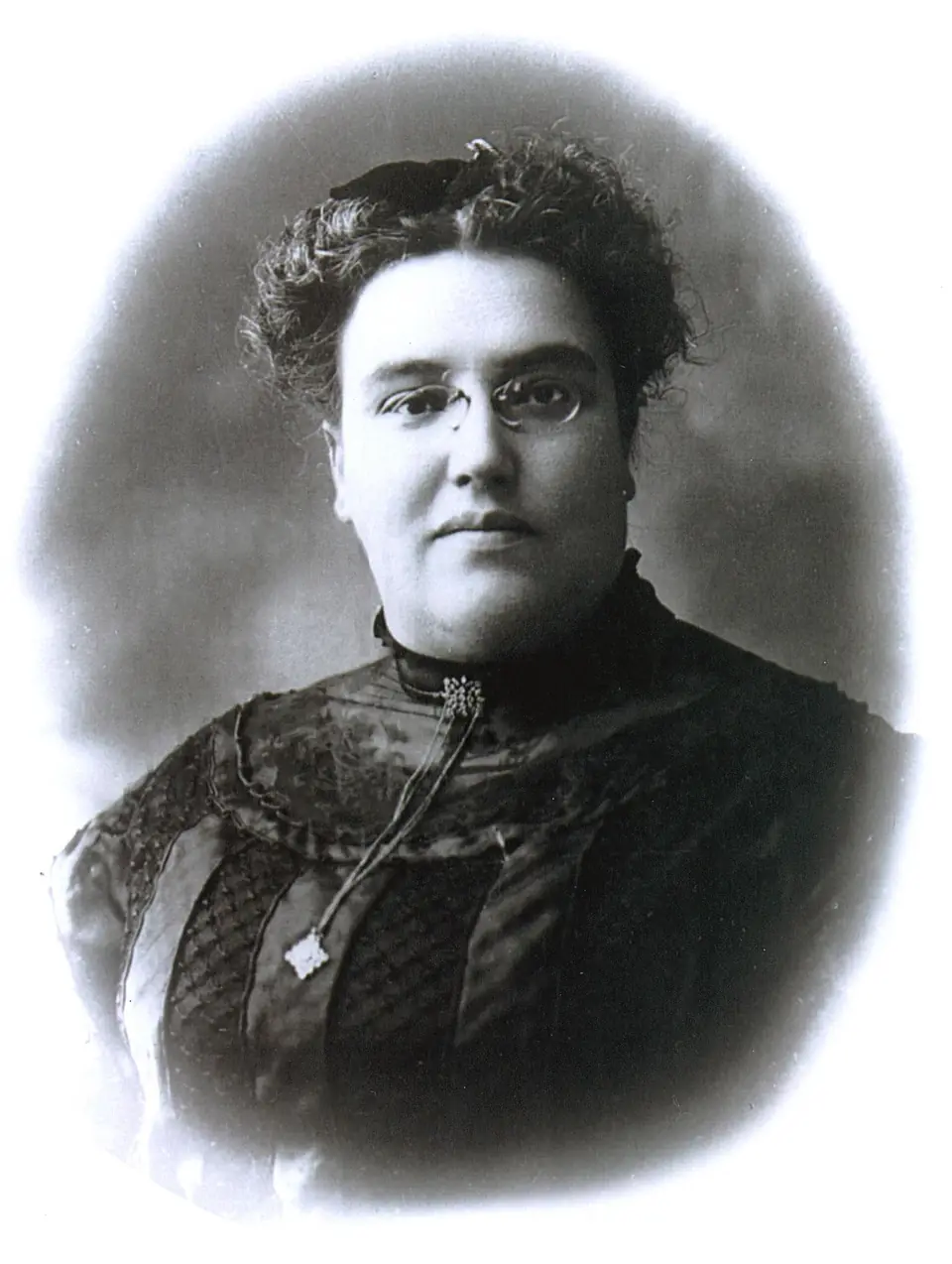
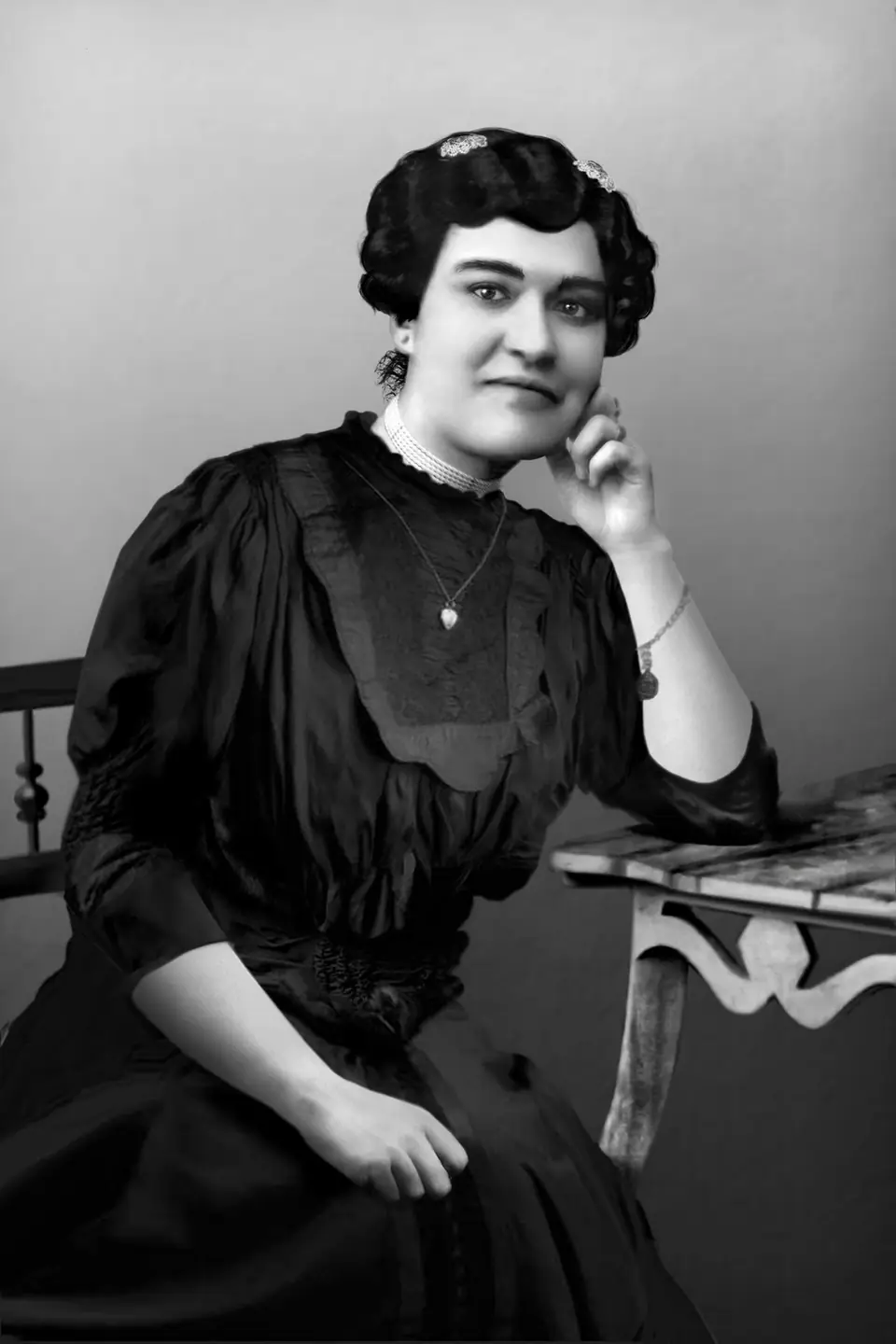
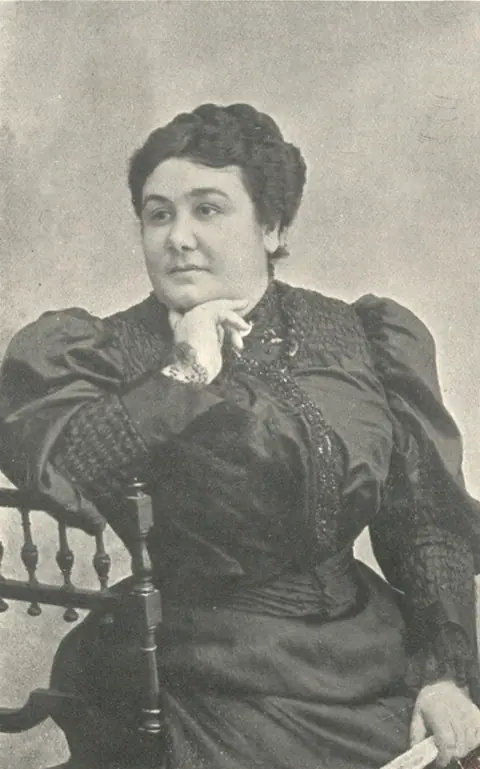
Maria Veleda, a writer and teacher, had settled in Lisbon in 1905 with her two children and her mother. She was the teacher in charge here and set up two evening courses, entirely free, to teach women to read and write.2 In 1907, according to Toponímia de Lisboa, the City Council’s street-names service, it was she who presided over the Portuguese Group for Feminist Studies, which gave evening courses for illiterate women at the Afonso Costa Centre.1 Being able to read mattered: the electoral law of 1911 would give the vote only to those who could read and write or were heads of family.6
On 28 May 1911, the São Jorge de Arroios polling station was set up here. It was there that the doctor Carolina Beatriz Ângelo, registered by order of a judge, became the first woman to vote in Portugal.
Created by the regime in 1944 to foster “imperial unity” among students from the colonies, it became a school of opposition and anti-colonialism: Amílcar Cabral, Agostinho Neto and Alda do Espírito Santo passed through here. The PIDE closed it in 1965.
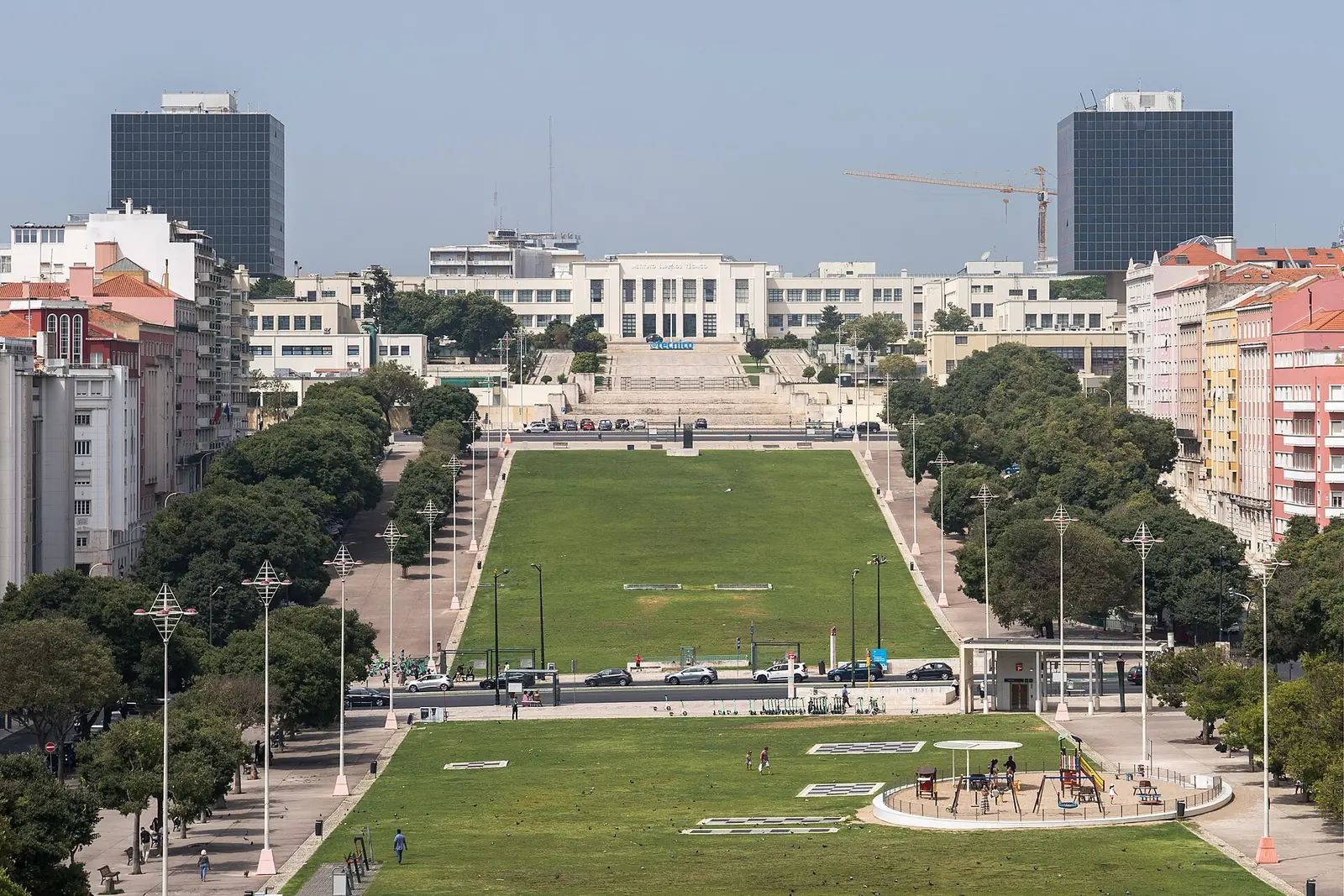
Today: Instituto Superior Técnico – University of Lisbon
Pardal Monteiro’s campus was the scene of decisive plenary meetings of the student movement: here the academic mourning of 1962 was suspended, here the PIDE raided the students’ association in 1968, and here it was decided, in 1972, to go en masse to Ribeiro Santos’s funeral.
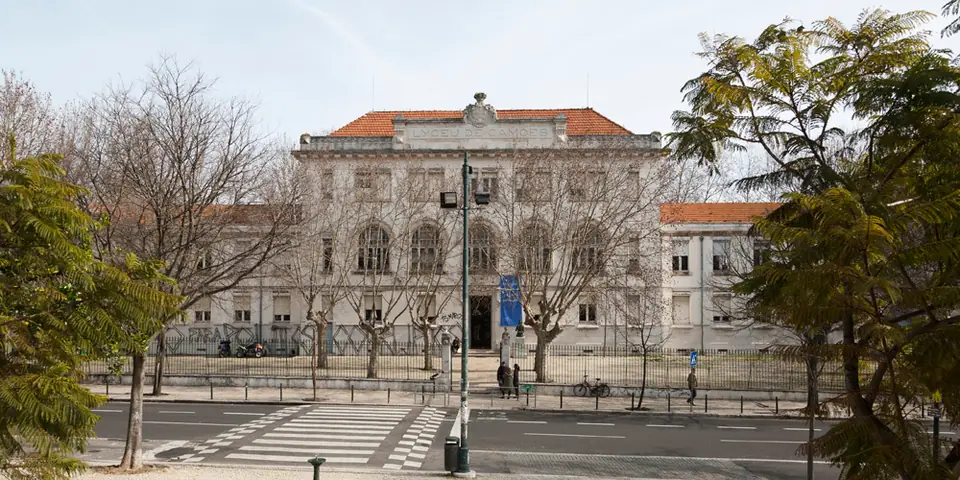
In the gymnasium of this secondary school, on 18 May 1958, Humberto Delgado held a presidential campaign rally, and the police violence was repeated afterwards. In 1945, it was here that the students from the colonies overthrew the board imposed on their House.
OppositionRepressionStudents
Notes on the sources3
The door number of the centre on Calçada de Arroios, and whether the building still exists.
Who led the Portuguese Group for Feminist Studies: Maria Veleda, according to Toponímia de Lisboa; Ana de Castro Osório, according to the text cited by the Almanaque Republicano and the Dicionário de Médicos Portugueses.
Whether the evening courses Maria Veleda set up at the centre (Wikipedia) are the same as those the Portuguese Group for Feminist Studies gave there in 1907 (Toponímia de Lisboa).
Do you know more, or do you have a document? Tell us.