Culture and censorshippoetjournalistone of the “Three Marias”co-author of “Novas Cartas Portuguesas” (New Portuguese Letters)co-founder of the MLM
Born
20 May 1937, Lisbon
Died
4 February 2025, Lisbon
A poet and journalist, one of the “Three Marias”. The PIDE seized her “Minha Senhora de Mim” (My Lady of Myself) and three men beat her up in the street; with Maria Isabel Barreno and Maria Velho da Costa she wrote “Novas Cartas Portuguesas” (New Portuguese Letters), which took them to court — and to acquittal, on 7 May 1974.
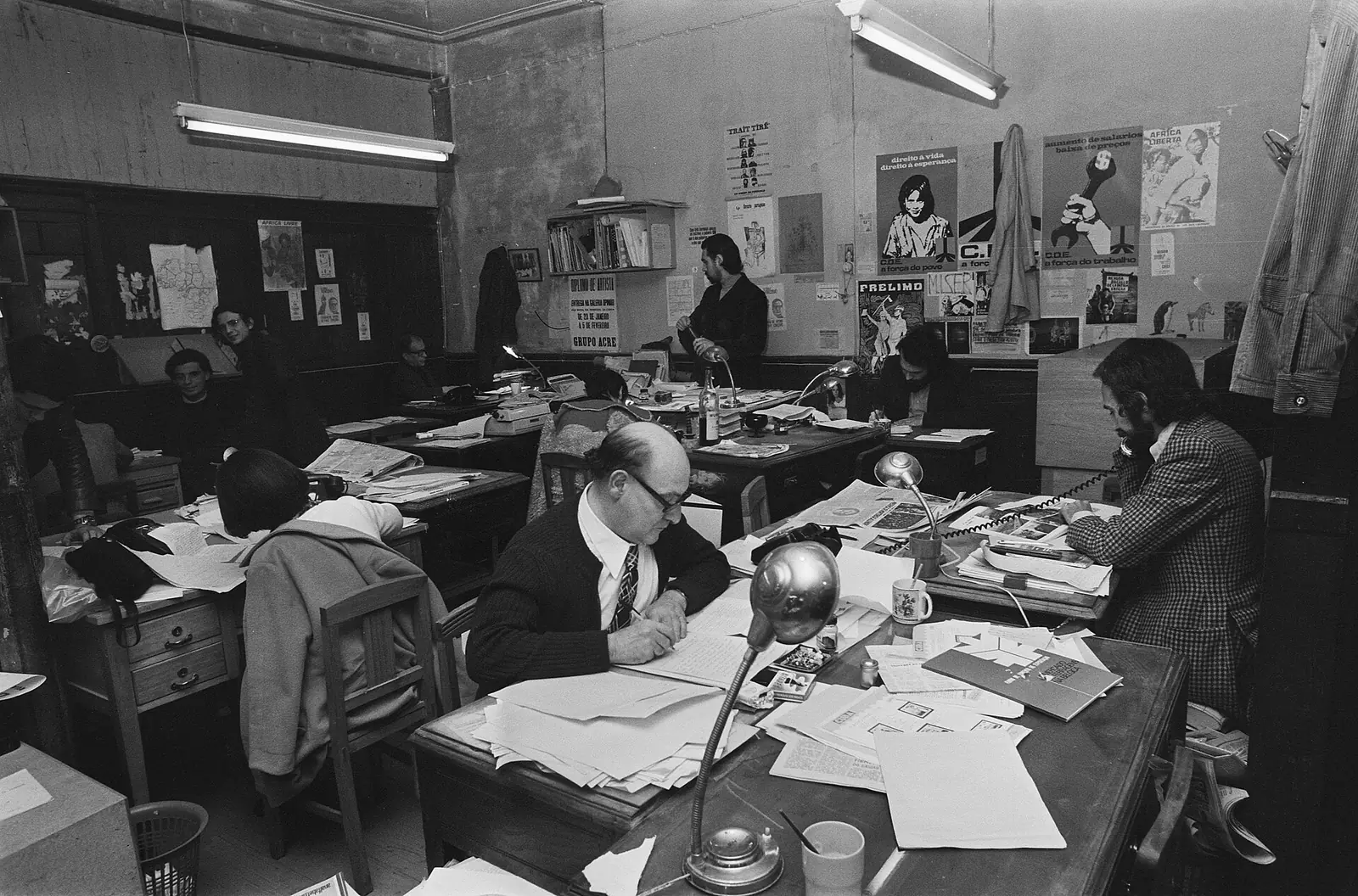
She was born in Lisbon in 1937. She attended the Faculty of Letters, ran the ABC Cine-Clube and worked as a journalist for many publications — A Capital, Diário de Notícias, Diário de Lisboa, O Século, República, Seara Nova, Vértice.13
In 1971 she published Minha Senhora de Mim (My Lady of Myself), in the Cadernos de Poesia (Poetry Notebooks) series of the publisher Dom Quixote: poems in the form of the cantigas de amigo (songs of a friend), defending women’s right to live their sexuality. The PIDE seized the book as an offence “against the traditional morals of the nation”, the Secretary of State for Information threatened to close Snu Abecassis’s publishing house if it published her again, and the author was beaten up in the street by three men and taken to Santa Maria Hospital.9
The next day was the weekly lunch with Maria Velho da Costa and Maria Isabel Barreno. It was there that Velho da Costa asked: “If one woman on her own causes all this fuss, this uproar, this scandal, what would happen if there were three of us?”9 The Novas Cartas Portuguesas (New Portuguese Letters) came out in 1972, taking as their starting point the letters attributed to Mariana Alcoforado. The first edition was destroyed by the censors three days later, and the authors were charged over a work of “irremediably pornographic content, offensive to public morals”. Questioned separately, they never said who had written what. Simone de Beauvoir, Marguerite Duras, Doris Lessing and Iris Murdoch were among the voices of the international solidarity campaign.1
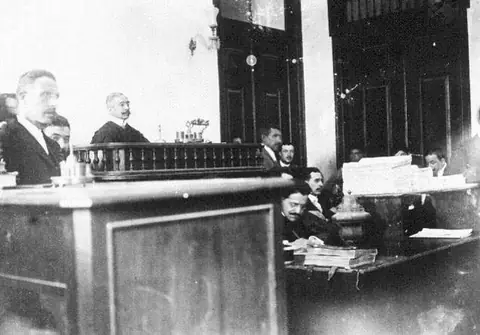
The trial began on 25 October 1973 at the Boa-Hora Court. On 7 May 1974, with freedom already won, the three were acquitted.2 According to the Diário de Lisboa, they left with red carnations on their chests, and Teresa Horta announced a women’s liberation movement there and then.6
In 1975, with Célia Metrass and Helena de Sá Medeiros, she published Aborto, direito ao nosso corpo (Abortion, the right to our body), the first book about abortion in Portugal.8 She was a PCP activist from 1975 to 1989 and managing editor of the magazine Mulheres (Women); in 2022 she was made a Grand Officer of the Order of Liberty.5 She died in Lisbon on 4 February 2025, the last of the Three Marias.4
From the archives
In other archives
These can only be viewed on each archive’s own website.
A writer and researcher, one of the “Three Marias”. Tried over “Novas Cartas Portuguesas” (New Portuguese Letters) and acquitted on 7 May 1974, she saw the greatest consequence of the case in the Constitution: equality for all, “without distinction of race, sex or religion”.
The novelist of “Maina Mendes” and “Casas Pardas”, she was the one who put to the other two Marias the question that gave rise to “Novas Cartas Portuguesas” (New Portuguese Letters). She received the Camões Prize in 2002.
One of the founders of the Women’s Liberation Movement, in May 1974. She fought for divorce and for the decriminalisation of abortion and worked at the Commission on the Status of Women, whose library now bears her name.
A poet and publisher, she was the Portuguese writer with the most works censored. Tried at the Plenary Court over the “Antologia de Poesia Portuguesa Erótica e Satírica” (Anthology of Portuguese Erotic and Satirical Poetry), she published “Novas Cartas Portuguesas” (New Portuguese Letters) and opened the Botequim in Graça, where she celebrated 25 April. She later became a deputy.
A novelist, she was the only woman on the jury of the Portuguese Society of Writers that gave a prize to “Luuanda”, by Luandino Vieira, in 1965 — the prize that led to the dissolution of the society and the imprisonment of three of the jurors.
A pioneering journalist, the first woman in the newsroom of the “O Século” company. With Antónia de Sousa she made the series “Nome Mulher” (Name: Woman, 1974–1976) for RTP, whose report “O aborto não é um crime” (Abortion Is Not a Crime) took her to court. She was acquitted.
Notes on the sources2
The date of the street attack: the Aljube Museum places it before May 1971; Observador speaks of violence “in the streets”, with no date or place.
The defence lawyer: Duarte Vidal, according to Wikipedia; the Diário de Lisboa of May 1974 calls “Dr Ataíde Ferreira” “Maria Teresa Horta’s lawyer” and gives Duarte Vidal as Maria Isabel Barreno’s lawyer.
Do you know more, or do you have a document? Tell us.
Sources
1Novas Cartas Portuguesas. Comissão Comemorativa 50 Anos 25 de Abril — consulted on 2 October 2026