Oppositionjournalistteacherpolitical prisoneractivist in women’s movementsdeputy in the Assembly of the Republic (Left Bloc)
Born
17 June 1945, Lisbon
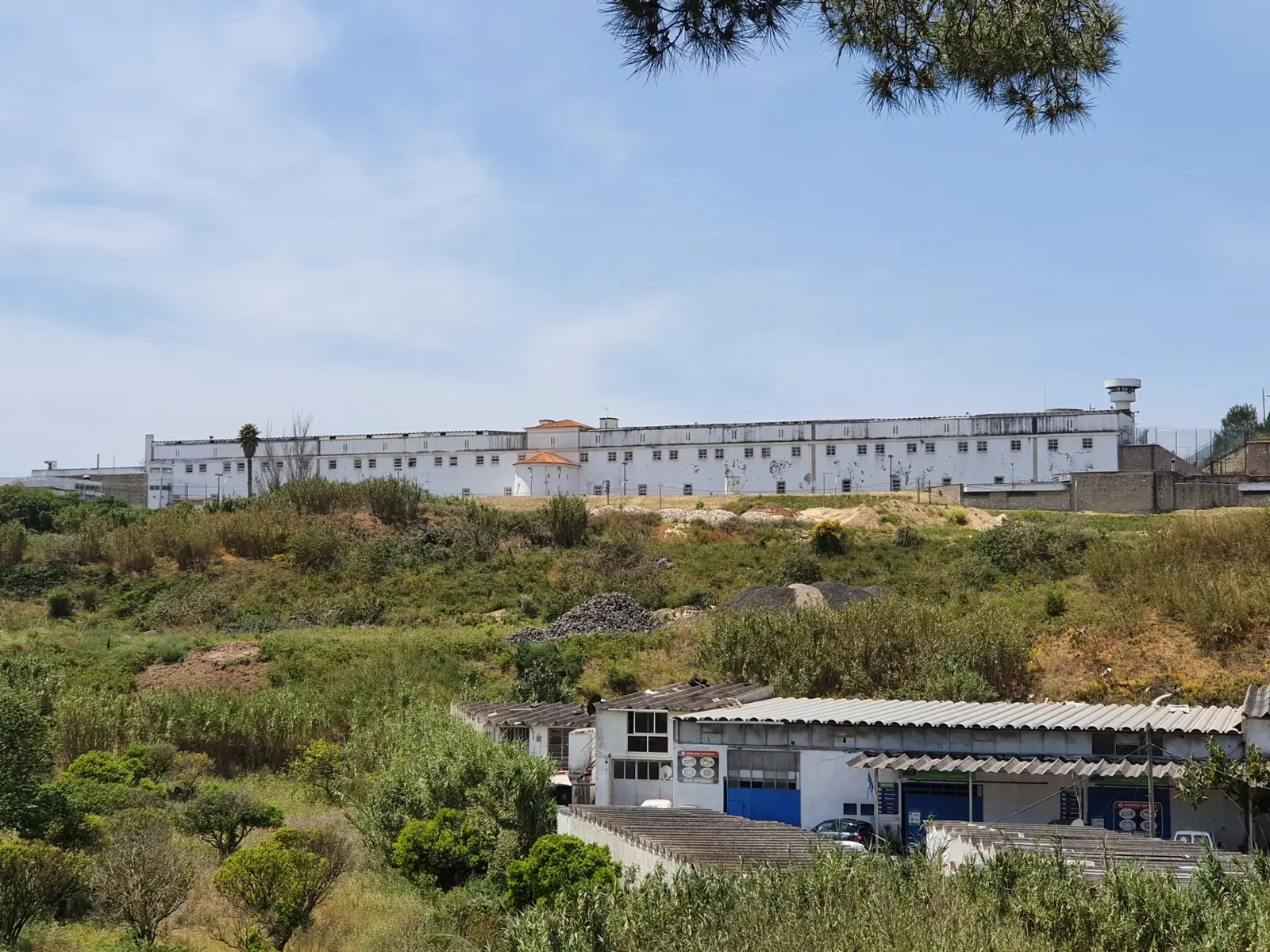
A journalist and opposition activist, she was a prisoner in Caxias when 25 April came. The photograph of her release, with the journalist Elvira Nereu, appeared in “A Capital” on 27 April 1974.
She was born in Lisbon on 17 June 1945.1 She joined the PCP at 17, while still at secondary school (liceu). At the Faculty of Letters she helped organise strikes and demonstrations, and at one of them a PIDE agent struck her with the butt of his gun. Suspended and without her grant, she went to teach at the Academia de Santo Amaro.1
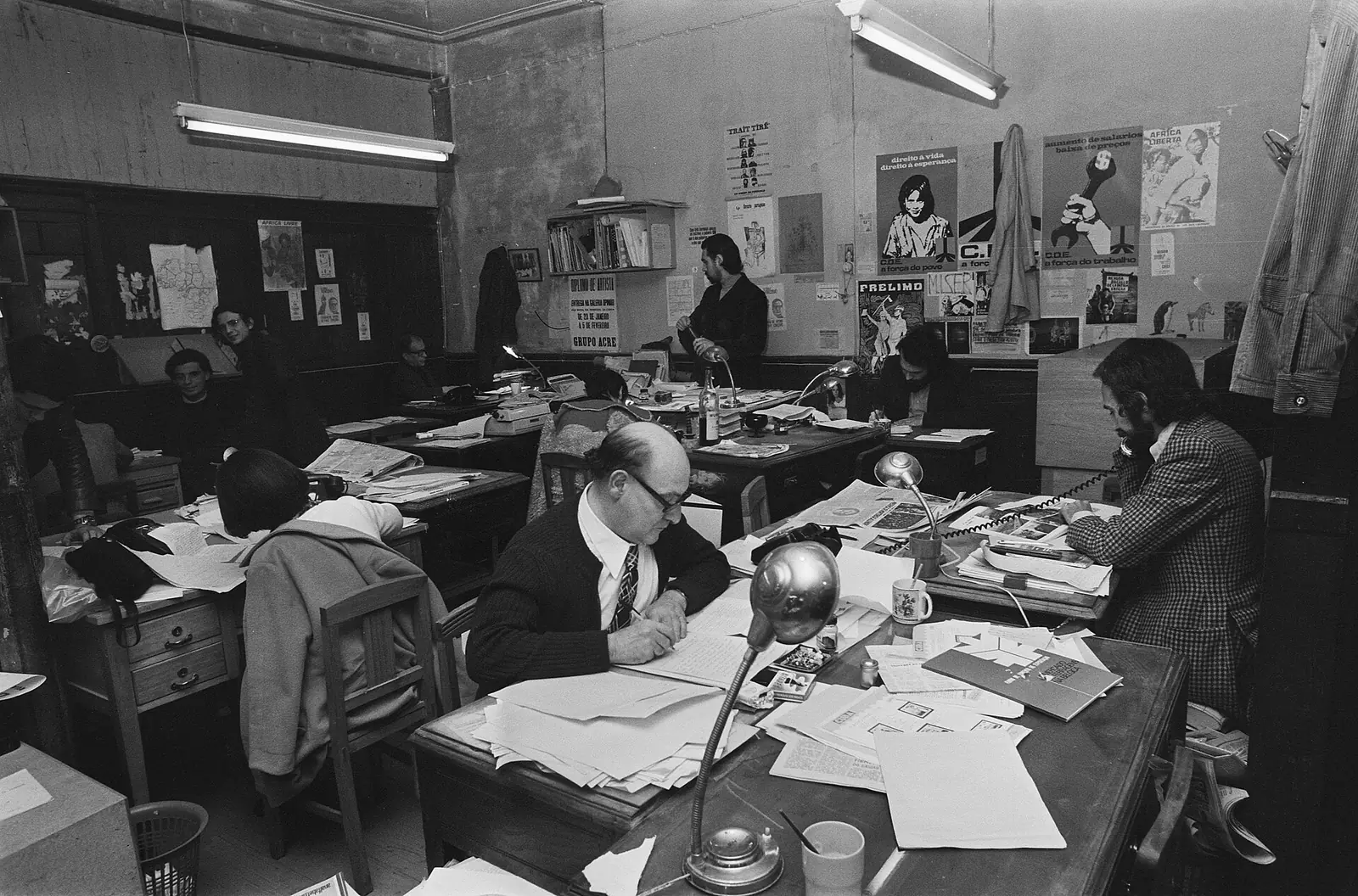
In the Lisbon district she helped found a democratic women’s electoral movement, and she was on the first board of the Women’s Electoral Committee. She was active in the CDE when she was arrested, in 1969.1 Barred from teaching, she turned to journalism: she wrote for the Diário Feminino, the Diário de Lisboa, Modas e Bordados and República, where she coordinated the supplement “Presença da Mulher” (Women’s Presence).1 In 1973 she stood as a candidate on the CDE/CEUD lists and was arrested again by the PIDE/DGS.1
At the beginning of April 1974 she was a prisoner in Caxias Fort.1 She came out with the revolution: on 27 April, the newspaper A Capital published a photograph of the release, in Caxias, of the journalists Helena Neves and Elvira Nereu.2 She left the PCP in the early 1990s and was a deputy in the Assembly of the Republic for the Left Bloc (Bloco de Esquerda).1
From the archives
A documentary edited by Sofia Gomes for the exhibition “Women and Resistance – New Portuguese Letters and other struggles” (“Mulheres e Resistência – Novas Cartas Portuguesas e outras lutas”), with excerpts from the testimonies the Aljube Museum has been recording since 2015: sixteen women talk about resistance to the dictatorship and the struggle for women’s rights. This version has Portuguese Sign Language (LGP) interpretation; the version without LGP is on the same channel (XmUbNbnHgKg, 2022).
Original page Licença padrão do YouTube — embed permitido pelo canal oficial do Museu do Aljube
Museu do Aljube Resistência e Liberdade, on YouTube. The player only connects to that site when you press “Watch”.
Testimony of the journalist Helena Neves, recorded by the Aljube Museum on 13 March 2019. Going by the museum’s keywords, it covers her family, the Catholics, the local cultural and recreational associations, the Democratic Women’s Movement, imprisonment, interrogation and torture.
Original page Licença padrão do YouTube — embed permitido pelo canal oficial do Museu do Aljube
Museu do Aljube Resistência e Liberdade, on YouTube. The player only connects to that site when you press “Watch”.
In other archives
These can only be viewed on each archive’s own website.
A medical student, she was the first woman to speak at a general assembly in the 1962 academic crisis; she later founded the Revolutionary Brigades, which attacked the machinery of the colonial war. A doctor and professor, she is the author of the first study on obesity in Portugal.
An underground communist activist, she was arrested in 1959 and sentenced to eight years of major imprisonment plus security measures, which she served in Caxias. A deputy from the Constituent Assembly onwards, she chaired the Parliamentary Committee on the Status of Women from 1983 to 1985.
A journalist and writer, she edited “Modas e Bordados” (Fashions and Embroidery), chaired the National Council of Portuguese Women until the regime closed it down in 1947, and responded with “As Mulheres do Meu País” (The Women of My Country). She was arrested several times and lived in exile in Paris.
A chemical engineer and underground PCP activist, she was in charge of the Eastern Zone of the Lisbon Local Committee, “the most important working-class zone of the capital”. Arrested by the PIDE in 1957, she was, in Caxias, one of the authors of the letters of the Caxias Manifesto.
A communist activist arrested in 1961 with her two small children, whom she kept with her in Caxias. She spent six years and seven months in prison and took her own life in 1970, her nervous system weakened by the years in jail.
A poet from São Tomé whose Lisbon home, on Rua Actor Vale, housed the Centre for African Studies from 1951. Arrested in 1965 and imprisoned in Caxias, she later wrote the words of the anthem of São Tomé and Príncipe.
Notes on the sources2
The day of her release: 25 April (Aljube Museum) or the early hours of the 27th, when the prisoners left Caxias (the press of the time, cited by Esquerda.net).
In which years she was a deputy in the Assembly of the Republic.
Do you know more, or do you have a document? Tell us.