A journalist and documentary maker born in Angola. A medical student active in the committees supporting political prisoners, she was arrested in 1970 for contacts with the Angolan liberation movements and sentenced by the Lisbon Plenary Court.
She was born on 21 August 1947 in Dundo, Angola, into a conservative family sympathetic to the regime, and settled permanently in Portugal in 1958. In 1964 she entered the Lisbon Faculty of Medicine, which she would leave for journalism, and that year she took part in her first demonstration, demanding the release of Saldanha Sanches. After the arrests of January 1965 she stepped up her political activity: demonstrations, Political Prisoners’ Support Committees, posters and bulletins.1
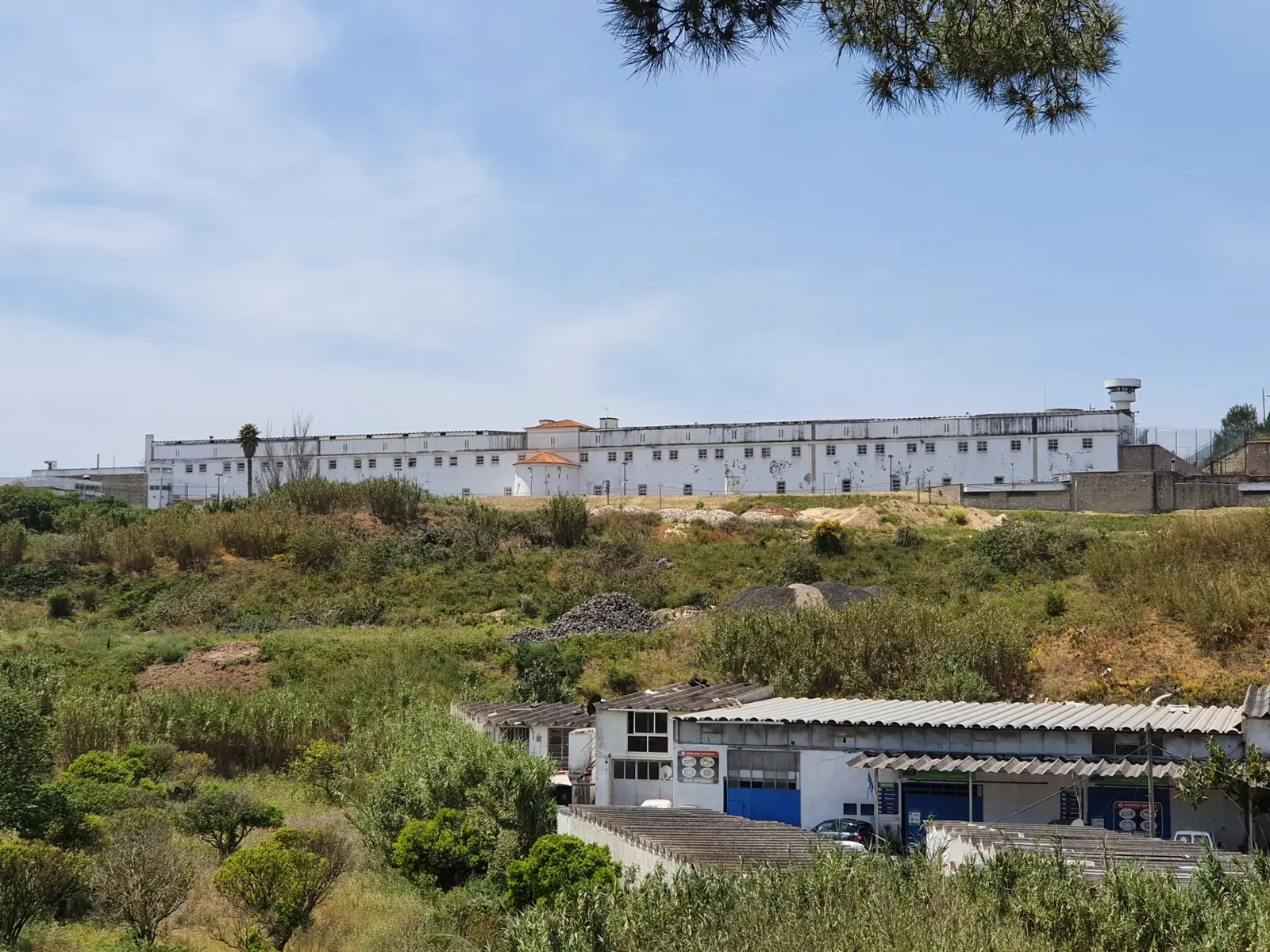
In 1968 she took the Journalists’ Union’s first journalism course and joined the magazine Vida Mundial, where the censors cut an article of hers on the colonial war in Angola. She had contacts with activists from the Angolan liberation movements and, after some of them were arrested in Angola, she was arrested in January 1970, at the advertising agency where she worked. She spent two and a half months in isolation in Caxias.1
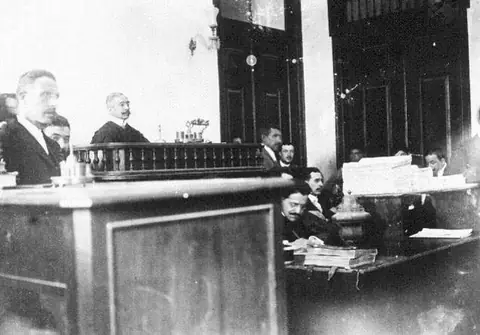
Tried at the Lisbon Plenary Court in February and March 1971, she was sentenced to 20 months in prison and was released in September.1 Later that year she returned to the Diário de Lisboa.2 She went on to a career at RTP, RDP, the Diário de Notícias and Público, and made several documentaries on the anti-fascist and anti-colonial resistance.1 One of them, 12 de Outubro de 1972: O Dia em que Perdemos o Medo (12 October 1972: The Day We Lost Our Fear, 2022), tells of the repercussions of the murder of Ribeiro Santos.2
From the archives
A documentary edited by Sofia Gomes for the exhibition “Women and Resistance – New Portuguese Letters and other struggles” (“Mulheres e Resistência – Novas Cartas Portuguesas e outras lutas”), with excerpts from the testimonies the Aljube Museum has been recording since 2015: sixteen women talk about resistance to the dictatorship and the struggle for women’s rights. This version has Portuguese Sign Language (LGP) interpretation; the version without LGP is on the same channel (XmUbNbnHgKg, 2022).
Original page Licença padrão do YouTube — embed permitido pelo canal oficial do Museu do Aljube
Museu do Aljube Resistência e Liberdade, on YouTube. The player only connects to that site when you press “Watch”.
Diana Andringa’s testimony, recorded by the Aljube Museum on 19 April 2017. According to the museum’s keywords, she talks about the student movement, support for political prisoners, her links to the People’s Movement for the Liberation of Angola (MPLA) and the liberation struggle, her imprisonment and interrogation in Caxias, and her trial in the Plenary Court.
Original page Licença padrão do YouTube — embed permitido pelo canal oficial do Museu do Aljube
Museu do Aljube Resistência e Liberdade, on YouTube. The player only connects to that site when you press “Watch”.
In other archives
These can only be viewed on each archive’s own website.
A medical student, she was the first woman to speak at a general assembly in the 1962 academic crisis; she later founded the Revolutionary Brigades, which attacked the machinery of the colonial war. A doctor and professor, she is the author of the first study on obesity in Portugal.
A journalist and opposition activist, she was a prisoner in Caxias when 25 April came. The photograph of her release, with the journalist Elvira Nereu, appeared in “A Capital” on 27 April 1974.
An underground communist activist, she was arrested in 1959 and sentenced to eight years of major imprisonment plus security measures, which she served in Caxias. A deputy from the Constituent Assembly onwards, she chaired the Parliamentary Committee on the Status of Women from 1983 to 1985.
A journalist, the daughter of Stella Piteira Santos, arrested by the PIDE in 1962 and in 1972. After 25 April, as managing editor, she gave “Modas e Bordados” a feminist line and invited Maria Lamas to be its honorary editor; in 1984 she wrote “Aborto – O Crime Está na Lei” (Abortion – The Crime Is in the Law).
A law student and MRPP activist, she was arrested by the PIDE on 22 October 1973, interrogated at the headquarters on Rua António Maria Cardoso and tortured in Caxias. By then a public prosecutor, she went back to the door of the building in 2005 to ask for it to be preserved.
A journalist and writer, she edited “Modas e Bordados” (Fashions and Embroidery), chaired the National Council of Portuguese Women until the regime closed it down in 1947, and responded with “As Mulheres do Meu País” (The Women of My Country). She was arrested several times and lived in exile in Paris.