Repressionphilologist and linguistprofessor at the Lisbon Faculty of Letterssupporter of the students in 1962
Born
5 March 1925, Lisbon (São Sebastião da Pedreira)
Died
18 August 1991, Sesimbra
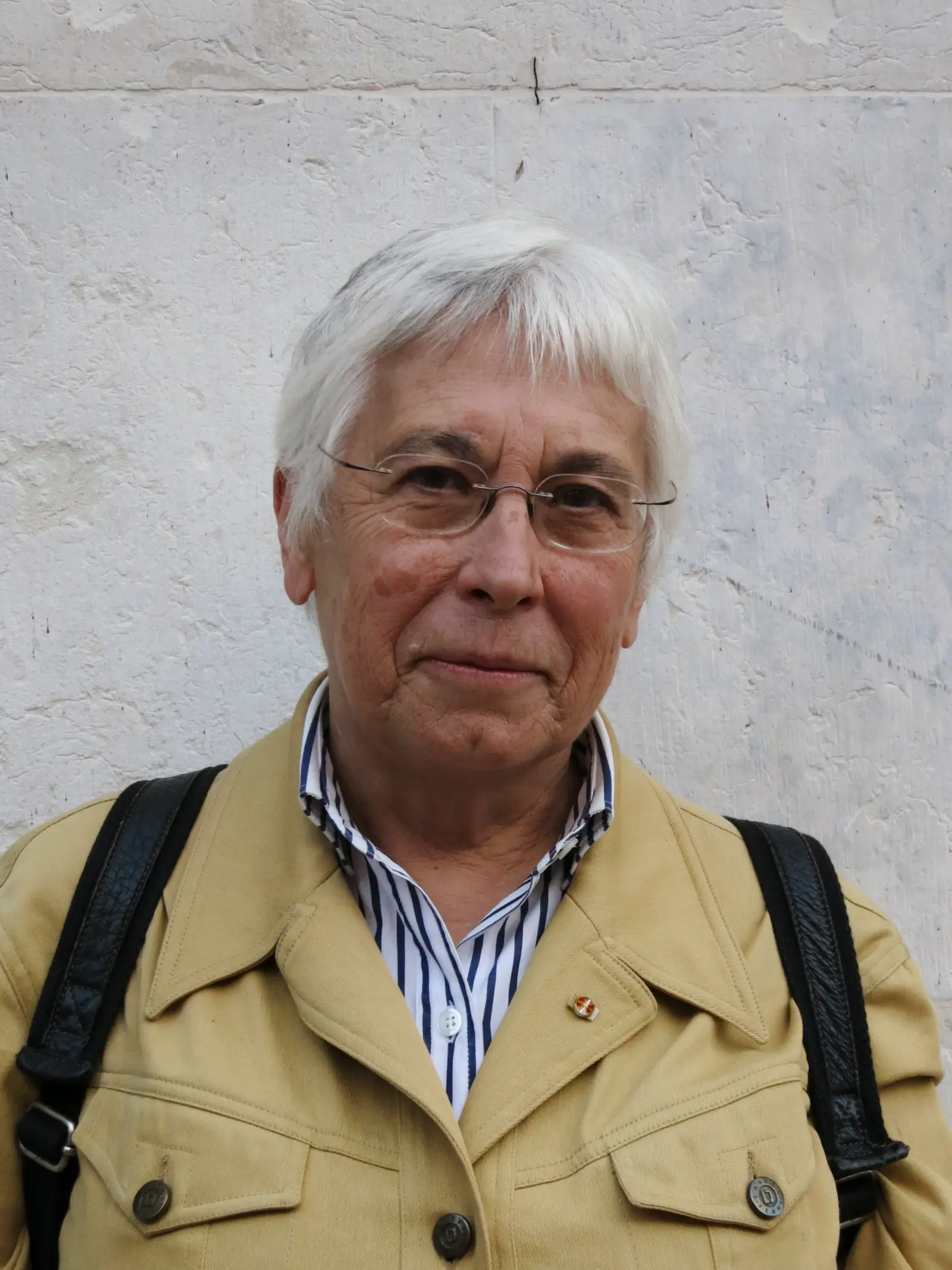
A philologist at the Faculty of Letters who supported the students in the 1962 crisis, he tried to mediate with the police and was beaten by the riot police at the entrance to the Faculty of Medicine on 4 June 1962.
He was born in Lisbon in 1925. A philologist, he had taught at the Lisbon Faculty of Letters since 1951.3 In the 1962 academic crisis he was one of the most senior lecturers to understand the students’ demands: he took part in their general assemblies and used his standing as a professor to try to open a dialogue with the police.1 In the early hours of 11 May, when the police surrounded the Cidade Universitária canteen, where the students’ hunger strike was under way, he tried to act as a mediator, with Francisco Pereira de Moura.2
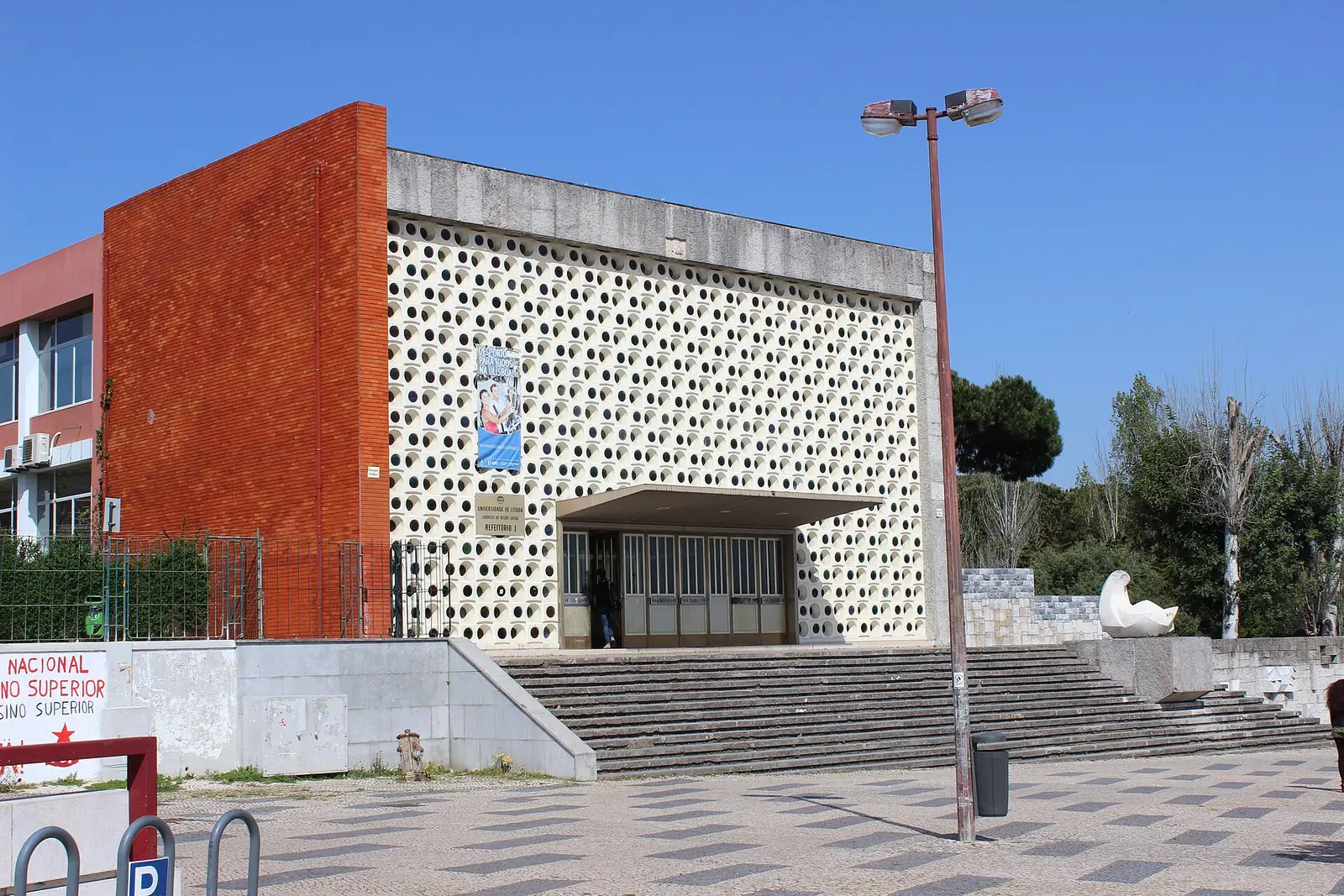
On the morning of 4 June he was beaten by the riot police at the entrance to the Faculty of Medicine, in the Cidade Universitária, and had to be treated in hospital. The students clubbed together to give him a painting by Fernando Azevedo. The painting stayed with his son, the actor Luís Miguel Cintra, and was returned to Jorge Sampaio shortly before Sampaio became President of the Republic.1 Lindley Cintra died in 1991.3
A charismatic leader of the medical students, he proposed the hunger strike of May 1962; while he was held in the Aljube, demonstrations demanding his release were put down by the police.
A journalist, the daughter of Stella Piteira Santos, arrested by the PIDE in 1962 and in 1972. After 25 April, as managing editor, she gave “Modas e Bordados” a feminist line and invited Maria Lamas to be its honorary editor; in 1984 she wrote “Aborto – O Crime Está na Lei” (Abortion – The Crime Is in the Law).
A journalist and documentary maker born in Angola. A medical student active in the committees supporting political prisoners, she was arrested in 1970 for contacts with the Angolan liberation movements and sentenced by the Lisbon Plenary Court.
A journalist and opposition activist, she was a prisoner in Caxias when 25 April came. The photograph of her release, with the journalist Elvira Nereu, appeared in “A Capital” on 27 April 1974.
A medical student, she was the first woman to speak at a general assembly in the 1962 academic crisis; she later founded the Revolutionary Brigades, which attacked the machinery of the colonial war. A doctor and professor, she is the author of the first study on obesity in Portugal.
A 26-year-old law student, shot dead by a PIDE/DGS agent at a “meeting against repression” at the ISCEF, on 12 October 1972. His funeral was one of the largest demonstrations against the dictatorship in its final phase.
Notes on the sources1
The place of death: Sesimbra, according to the text of Wikipedia, or Lisbon, according to the infobox on the same page and Wikidata. Wikidata also gives Espariz as the place of birth, as against Lisbon in Wikipedia.
Do you know more, or do you have a document? Tell us.