Studentsleader of the medical students in the 1962 academic crisisproposer of the 1962 hunger strikepolitical prisonerexilepsychiatrist
Born
24 March 1939, Vila Real
Died
December 2025, Porto
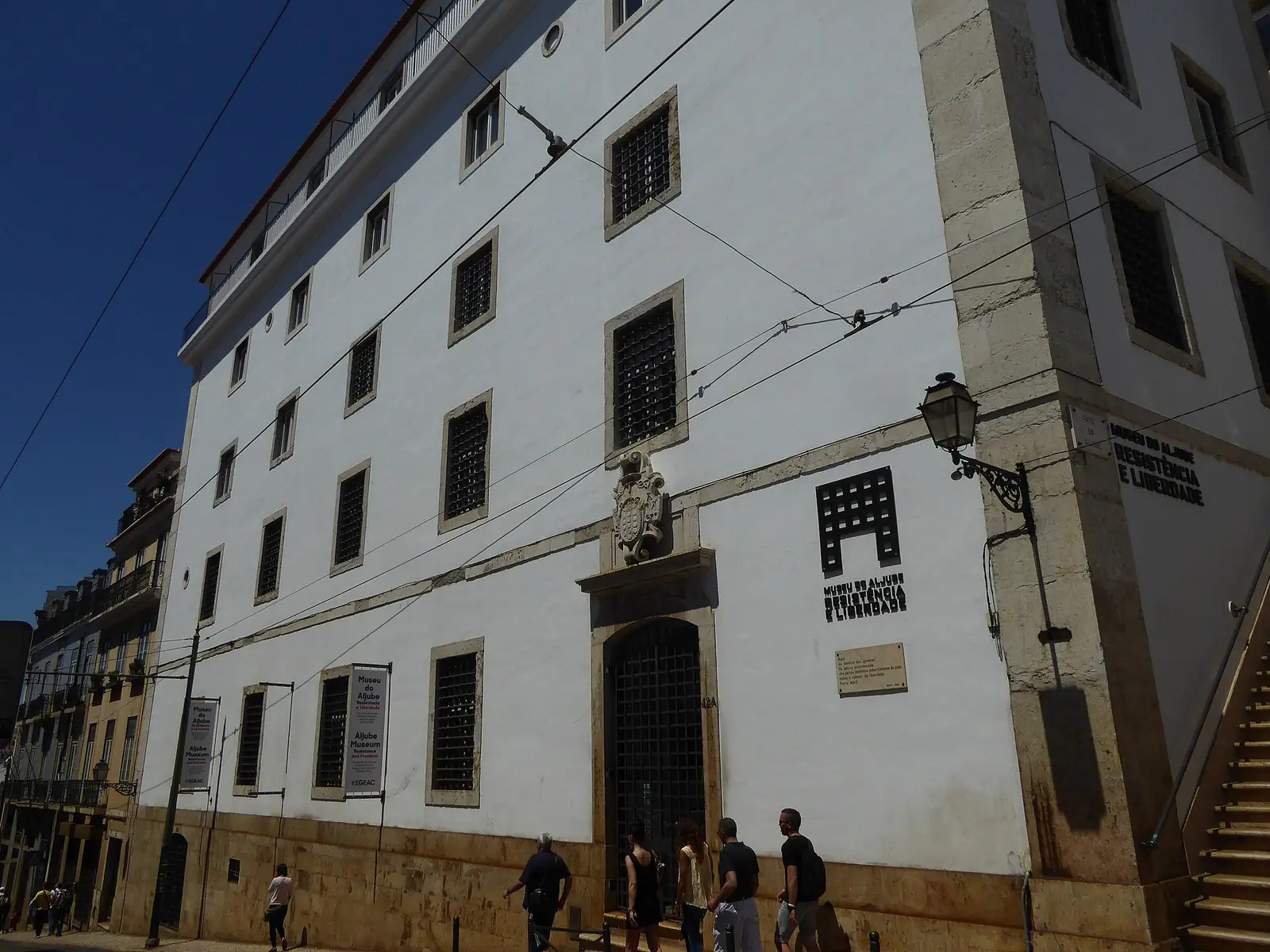
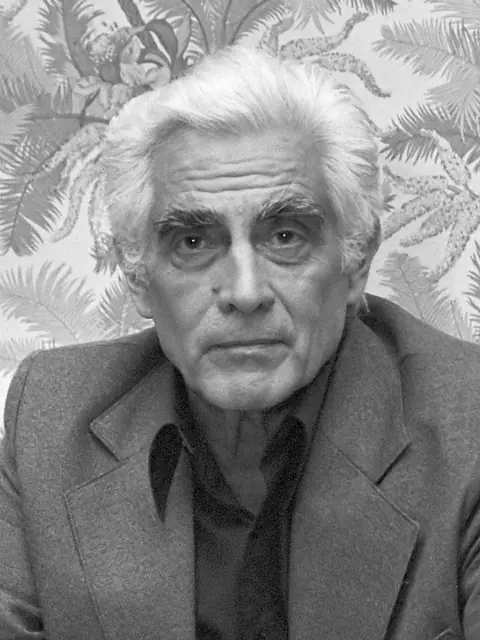
A charismatic leader of the medical students, he proposed the hunger strike of May 1962; while he was held in the Aljube, demonstrations demanding his release were put down by the police.
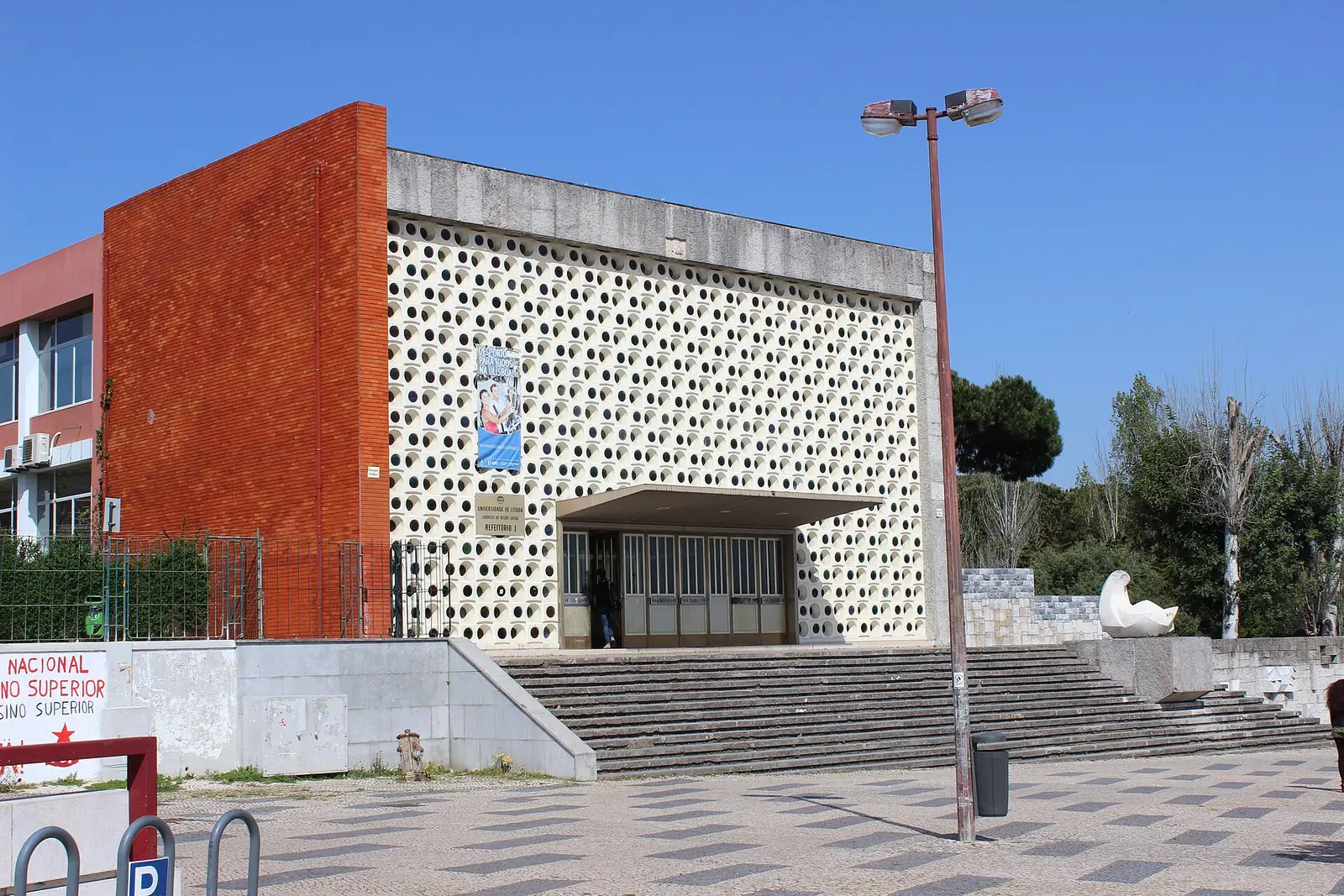
At 16 he joined the MUD Juvenil (Youth Movement of Democratic Unity) and at 18 the PCP, and he took part in Humberto Delgado’s presidential campaign.3 As chairman of the Pro-Association Committee of the Lisbon Medical Students, he was one of the figures of the 1962 academic crisis.1 It was at his suggestion that a general assembly approved a new form of protest: the hunger strike, which 81 students began on 9 May in the Cidade Universitária canteen.214
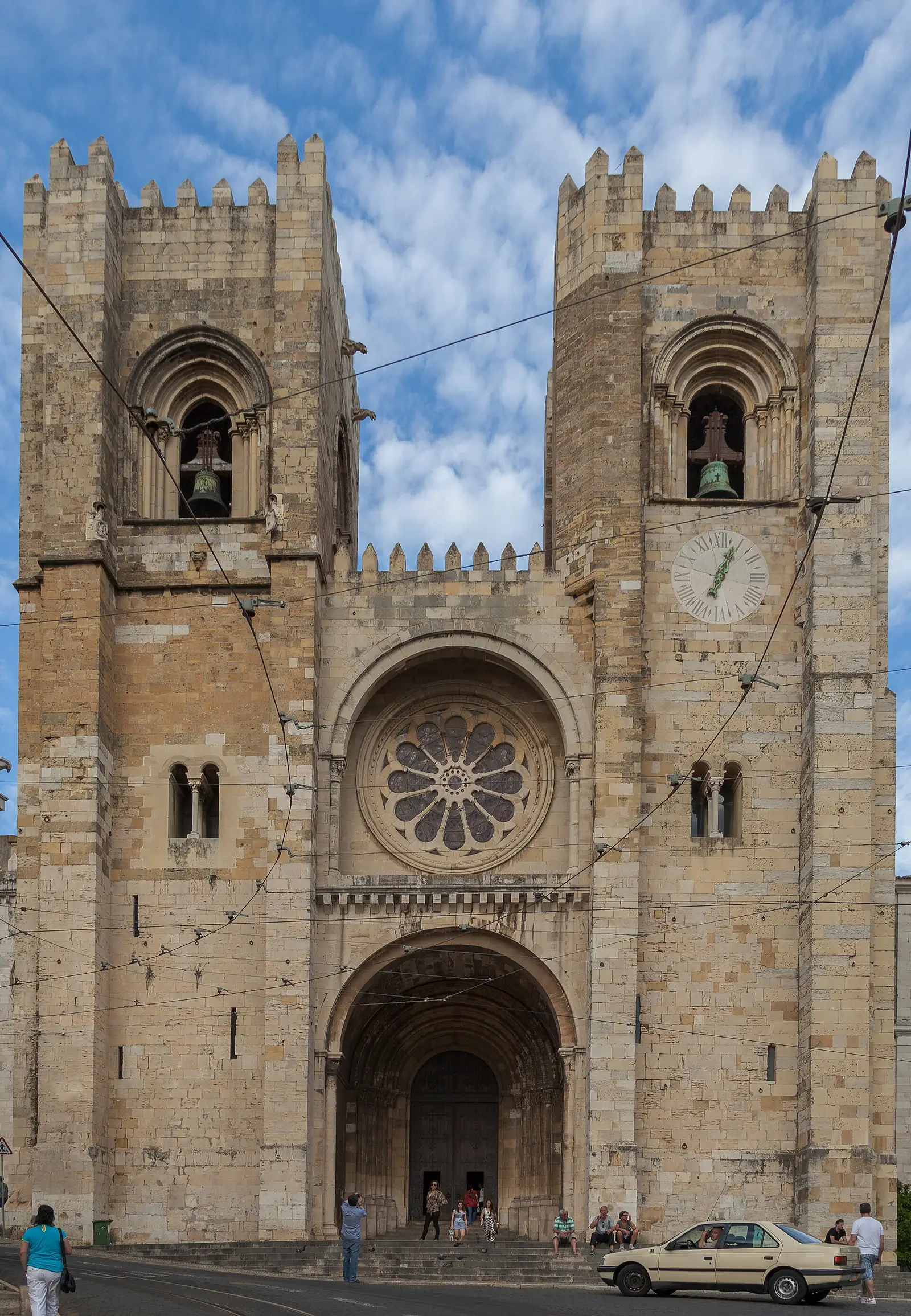
Nominated as secretary-general of the RIA (Inter-Association Meetings), he never took office, because he had been expelled from the University of Lisbon. On 28 May 1962 he was arrested and taken to the Aljube.1 After the “luto académico” (academic mourning) was suspended, in June, the protest continued mainly around his imprisonment.2 On 20 June, a demonstration of support that was meant to end outside the prison was broken up by a riot police charge near the cathedral, and the students went on to the Baixa shouting “Freedom! Autonomy!” (Liberdade! Autonomia!). He was released after further demonstrations, which the police charged once again.1
Transferred to the University of Coimbra, in 1963 he took part in founding the Movimento Sindical Estudantil (Student Union Movement). In 1965 he went into exile in Switzerland, and he later broke with the PCP.3 After 25 April he came back and joined the PS, for which he was a deputy in the Assembly of the Republic; a psychiatrist, he was a professor in Porto and director of the Abel Salazar Institute of Biomedical Sciences. He died in Porto in December 2025.3
A philologist at the Faculty of Letters who supported the students in the 1962 crisis, he tried to mediate with the police and was beaten by the riot police at the entrance to the Faculty of Medicine on 4 June 1962.
A former leader of the Catholic Workers’ Youth, he was the “civilian soul” of the “Revolta da Sé” (Cathedral Revolt), in 1959, and the civilian leader of the Beja revolt, in 1962. He spent 11 years in prison and was tortured.
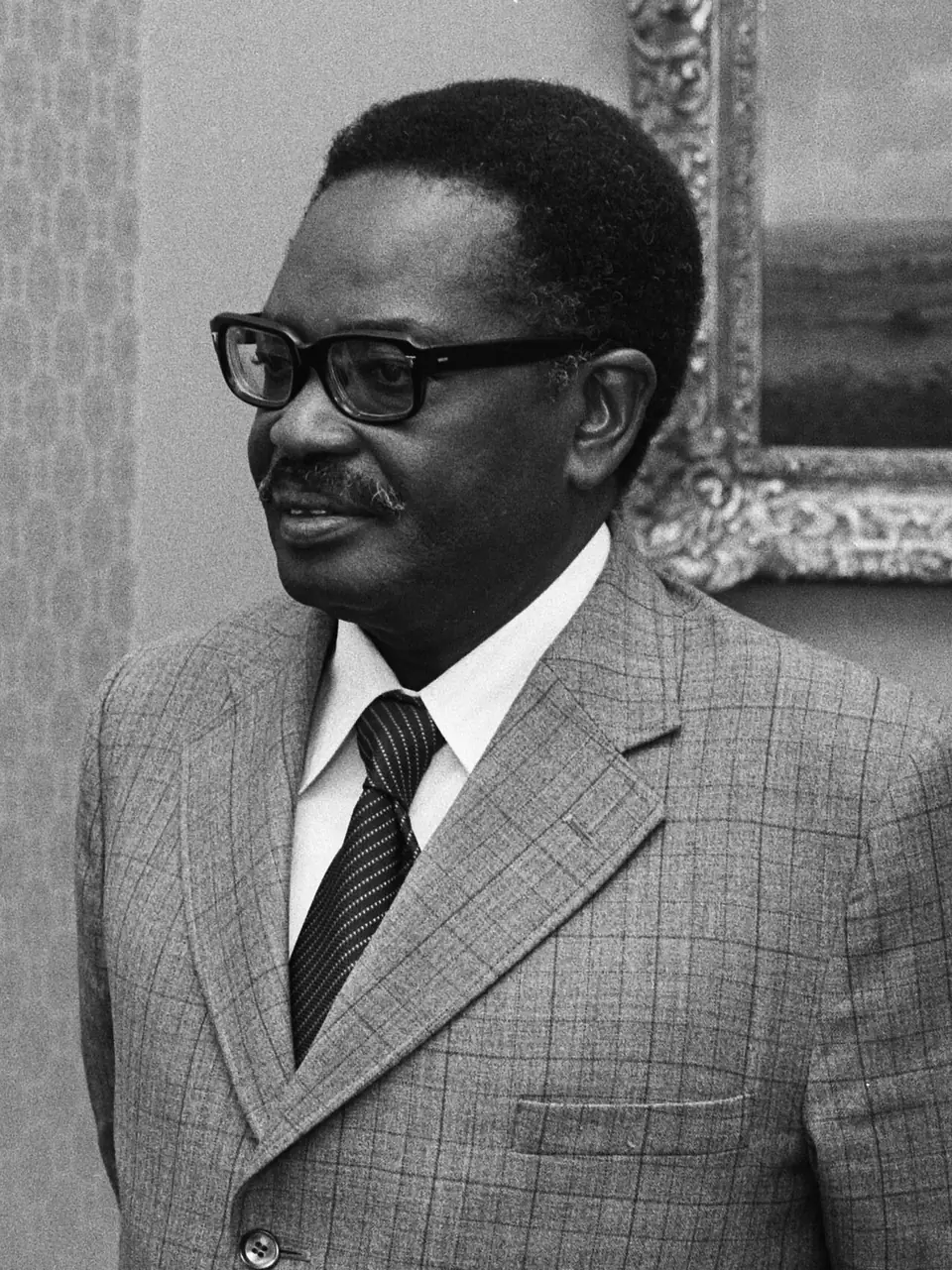
A medical student in Lisbon from 1948, he was active in the House of the Students of the Empire, the MUD Juvenil and the Centre for African Studies. Arrested several times by the PIDE in Lisbon, he was the first president of independent Angola.
A communist leader, he was arrested in 1949 and escaped from Peniche Fortress in 1960. General secretary of the PCP, he returned from exile on 30 April 1974 and addressed the crowd at the airport from the top of a Chaimite armoured car.
A communist leader, he was one of the eight prisoners who escaped from Caxias in Salazar’s armoured car, in 1961. Arrested in 1959 and again in 1965, he withstood PIDE torture without talking.
A metalworker and anarcho-syndicalist, he was one of the perpetrators of the bomb attack on Salazar on Avenida Barbosa du Bocage, in 1937. He fled to England, was handed over to the Portuguese police and was not released from prison until 1953.
Notes on the sources2
The year he broke with the PCP: Wikipedia says 1967 and links it to the invasion of Czechoslovakia, which was in August 1968.
The day and place of birth, 24 March 1939, in Vila Real, come only from Wikidata; the other sources do not give them.
Do you know more, or do you have a document? Tell us.