Oppositionmetalworkeranarcho-syndicalistgeneral secretary of the National Metalworkers’ Unionperpetrator of the attack on Salazar (1937)political prisoner
Born
4 July 1906, Lisbon (Santa Engrácia)
Died
16 October 1988, Lisbon (São Domingos de Benfica)
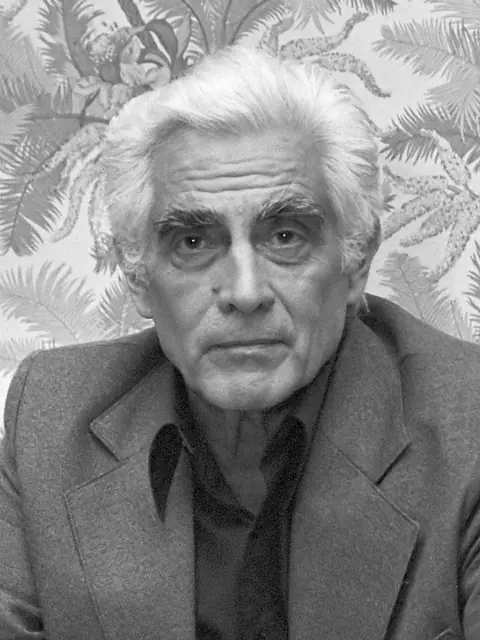
A metalworker and anarcho-syndicalist, he was one of the perpetrators of the bomb attack on Salazar on Avenida Barbosa du Bocage, in 1937. He fled to England, was handed over to the Portuguese police and was not released from prison until 1953.
He was born in Lisbon, in the parish of Santa Engrácia, in 1906. As a child he attended Workshop School No. 1, a modern school following the principles of the educationalist Francisco Ferrer. He was active in the Syndicalist Youth and was general secretary of the National Metalworkers’ Union, affiliated to the General Confederation of Labour (CGT). After the coup of 28 May 1926 he continued his union activity underground.1 He was arrested several times — once in Elvas Fort — and deported to the Azores in 1932.4 In 1936 he represented the Portuguese CGT at the congress of the Confederación Nacional del Trabajo, in Spain.1
He was one of the perpetrators of the bomb attack on Salazar, on the morning of 4 July 1937, as the dictator was going to Mass at the private chapel of his friend Josué Trocado, on Avenida Barbosa du Bocage.1 The bomb, hidden in a sewer, exploded in the wrong direction and Salazar was unhurt. The attack, usually attributed to anarchists such as Emídio Santana, is thought to have been prepared in liaison with other elements of the Popular Front, notably the PCP.2
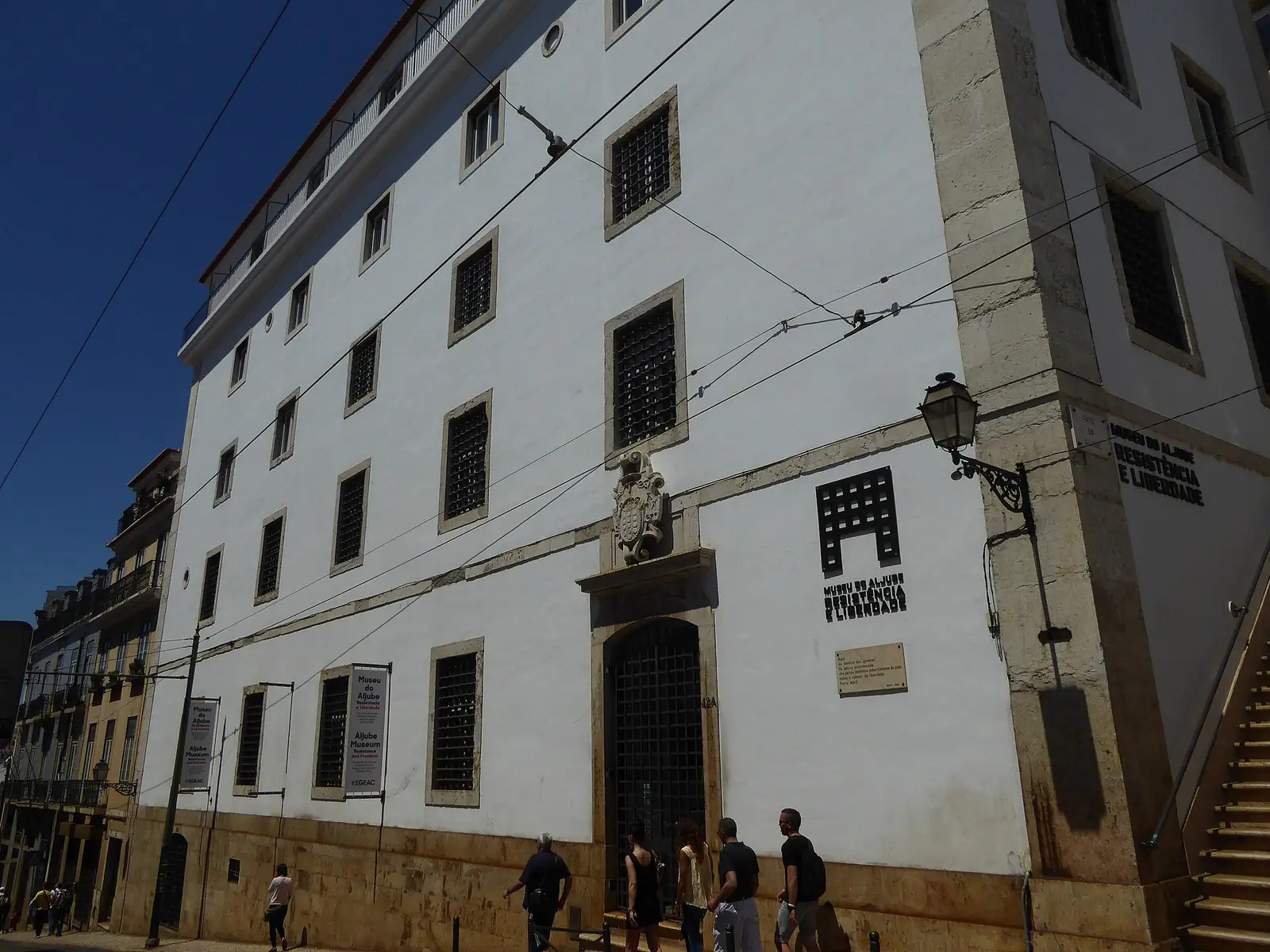
Wanted by the political police, he fled to the United Kingdom, but the English police arrested him in Southampton and sent him to Portugal.14 On 19 October 1937 he was admitted to Aljube Prison, “for inquiries”, and then passed through the penitentiaries of Lisbon and Coimbra.4 On 15 January 1939, the Special Military Court sentenced him to eight years in prison, followed by twelve of banishment.41 He was not released until 23 May 1953. In all, he was arrested four times.14
In 1965 he chaired the board of the Lisbon Tenants’ Association, and in the 1969 elections he spoke on trade union issues at opposition rallies. After 25 April he edited the newspaper A Batalha and published História de um atentado: o atentado a Salazar (The Story of an Attack: the Attack on Salazar, 1976). He died in Lisbon in 1988.1
A Coimbra professor called in by the Military Dictatorship to take over the Ministry of Finance in 1928, he headed the Government from 1932 to 1968 and made the Estado Novo (“New State”), instituted by the 1933 Constitution, a dictatorship with power concentrated in the President of the Council.
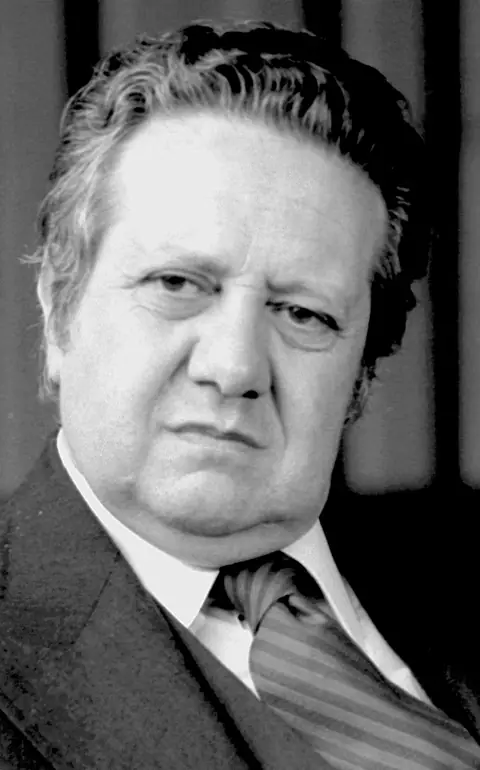
General secretary of the PS, he returned from exile on 28 April 1974 and was greeted by a crowd at Santa Apolónia. In 1975 he took on the PCP in the República affair and at the Fonte Luminosa rally; in 1976 he headed the First Constitutional Government.
A chemical engineer and underground PCP activist, she was in charge of the Eastern Zone of the Lisbon Local Committee, “the most important working-class zone of the capital”. Arrested by the PIDE in 1957, she was, in Caxias, one of the authors of the letters of the Caxias Manifesto.
A communist leader, he was arrested in 1949 and escaped from Peniche Fortress in 1960. General secretary of the PCP, he returned from exile on 30 April 1974 and addressed the crowd at the airport from the top of a Chaimite armoured car.
A medical student, she was the first woman to speak at a general assembly in the 1962 academic crisis; she later founded the Revolutionary Brigades, which attacked the machinery of the colonial war. A doctor and professor, she is the author of the first study on obesity in Portugal.
A journalist and writer, she edited “Modas e Bordados” (Fashions and Embroidery), chaired the National Council of Portuguese Women until the regime closed it down in 1947, and responded with “As Mulheres do Meu País” (The Women of My Country). She was arrested several times and lived in exile in Paris.
Notes on the sources3
Emídio Santana’s role in the attack: Wikipedia names him as one of the perpetrators; the Aljube Museum speaks of an attack “usually attributed” to anarchists like him, in liaison with other elements of the Popular Front; Memória Comum speaks of a mixed group — Lisbon taxi drivers, anarchist leaders, “most notably Emídio Santana”, and some PCP activists acting individually.
Whether he actually served the sentence of banishment, and where: the 1939 sentence gave, as an alternative, 25 years of banishment in a “first-class possession”, and the sources say only that he passed through the penitentiaries of Lisbon and Coimbra and was released in 1953.
Much of the biography comes from Wikipedia, which draws on Emídio Santana’s own memoirs and on his papers in the Arquivo Histórico-Social; his time in prison is confirmed by Memória Comum.
Do you know more, or do you have a document? Tell us.
Sources
1Emídio Santana. Wikipédia — consulted on 2 October 2026
2Atentado a Salazar. Museu do Aljube Resistência e Liberdade (EGEAC) — consulted on 2 October 2026