The conspirators of the “Revolta da Sé” (Cathedral Revolt) met in the cathedral cloisters: a coup by civilians and soldiers, mainly Catholic in inspiration, which was to be launched on the night of 11 to 12 March 1959 and died before it was born, because the government already knew about it.
Today: Lisbon Cathedral (Church of Santa Maria Maior)
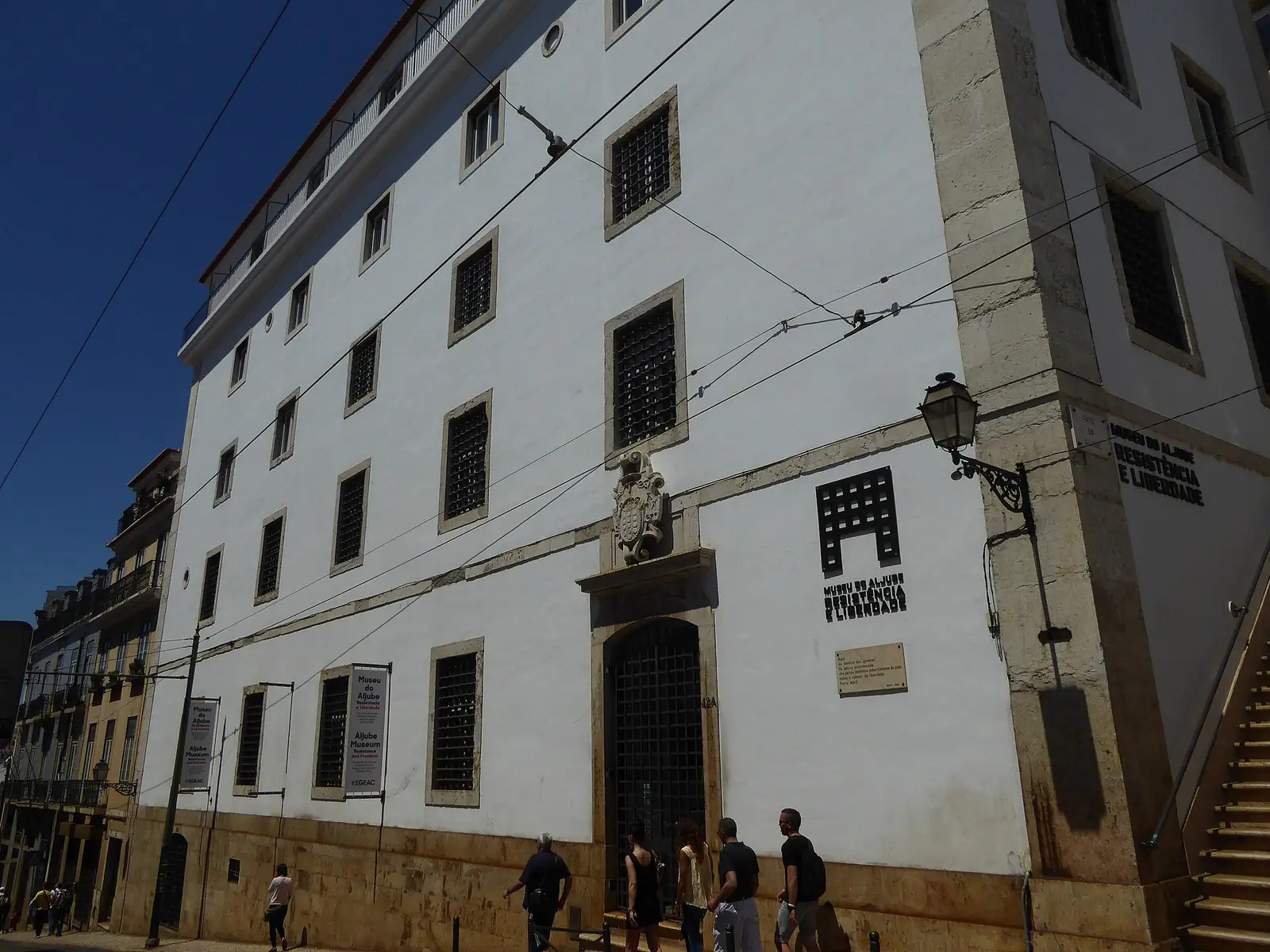
After the electoral fraud of 1958, which kept Humberto Delgado out, part of the opposition radicalised. On the night of 11 to 12 March 1959, a coup by civilians and soldiers against Salazar’s government was to have taken to the streets, clearly Catholic in inspiration, but with democrats of other persuasions.2 It became known as the “Revolta” or “Golpe da Sé” (the Cathedral Revolt or Coup) because the conspirators met here, in the Sé Patriarcal, a few metres from the Aljube, then a prison.12
According to the account of the historian Irene Flunser Pimentel, based on the PIDE case file, about a hundred recruited civilians had orders to gather in milk bars and cafés in various parts of the city, and the group leaders were summoned to the cathedral cloisters, where they were to wait for instructions. At 23:00 on 11 March, Manuel Serra — a former leader in the Catholic youth movement and the “civilian soul” of the conspiracy — was handing out badges, ropes and uniforms when two officers from the Military Junta arrived. One of them, Major Pastor Fernandes, ordered everyone to disperse and get out of the church quickly: the government already knew about the coup.2
The coup died before it was born. The PIDE arrested 44 people; the first was Manuel Serra, at nightfall on 13 March. The priest João Perestrelo de Vasconcelos, who had helped the civilians get into the cloisters, was arrested on 18 March. The verdict, read on 14 January 1961, handed down sentences of three to twenty-two months in prison.2
Three years later, at the height of the academic crisis, the cathedral again saw repression at close quarters: on 20 June 1962, a student demonstration for the release of Eurico Figueiredo, held in the Aljube, was meant to end by the prison, but was broken up by a riot police charge near the cathedral. The students went on to the Baixa shouting “Freedom! Autonomy!” (Liberdade! Autonomia!).4
Next to the cathedral, it was a political prison from 1928 to 1965 — the one with the isolation cells the prisoners called “curros” (isolation cells) or “gavetas” (drawers). Since 2015 it has been the Aljube Museum – Resistance and Freedom.
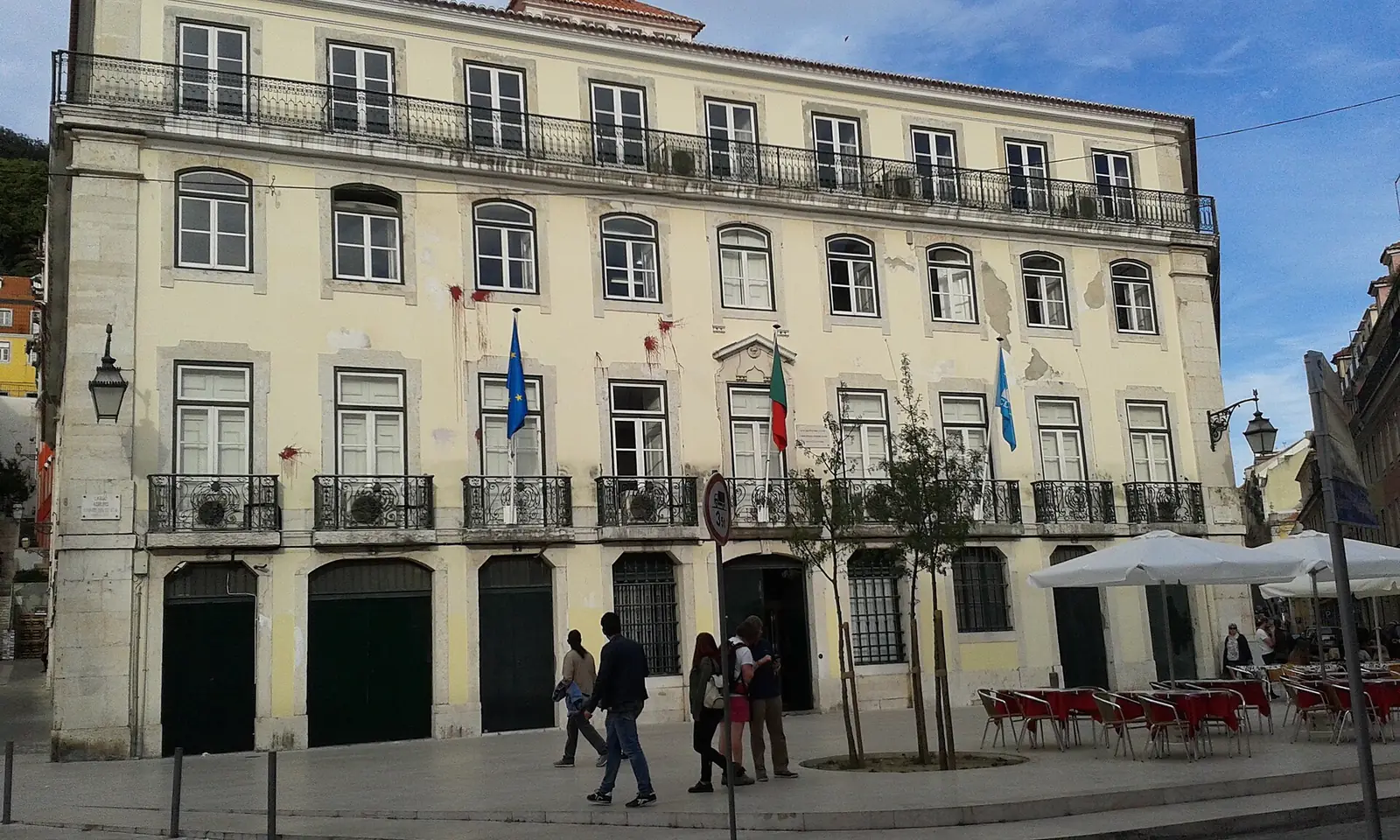
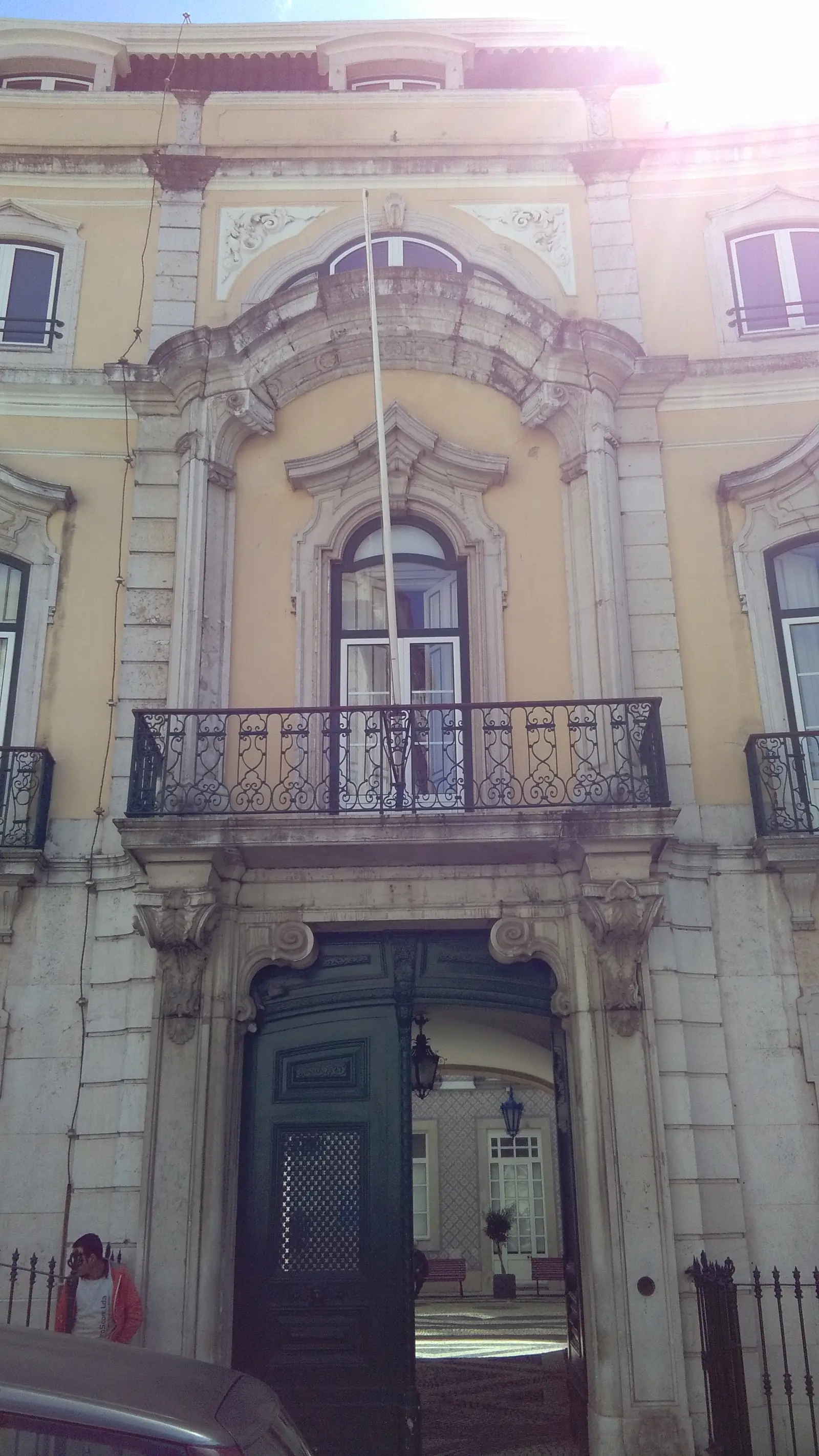
Today: São Cristóvão Clinic, run by the Mutual Aid Association of Commercial Employees of Lisbon
A palace in Mouraria that has belonged since 1913 to the Mutual Aid Association of Commercial Employees of Lisbon. In May 1924 the First Feminist and Education Congress, the first in the country, was held in the association’s great hall.
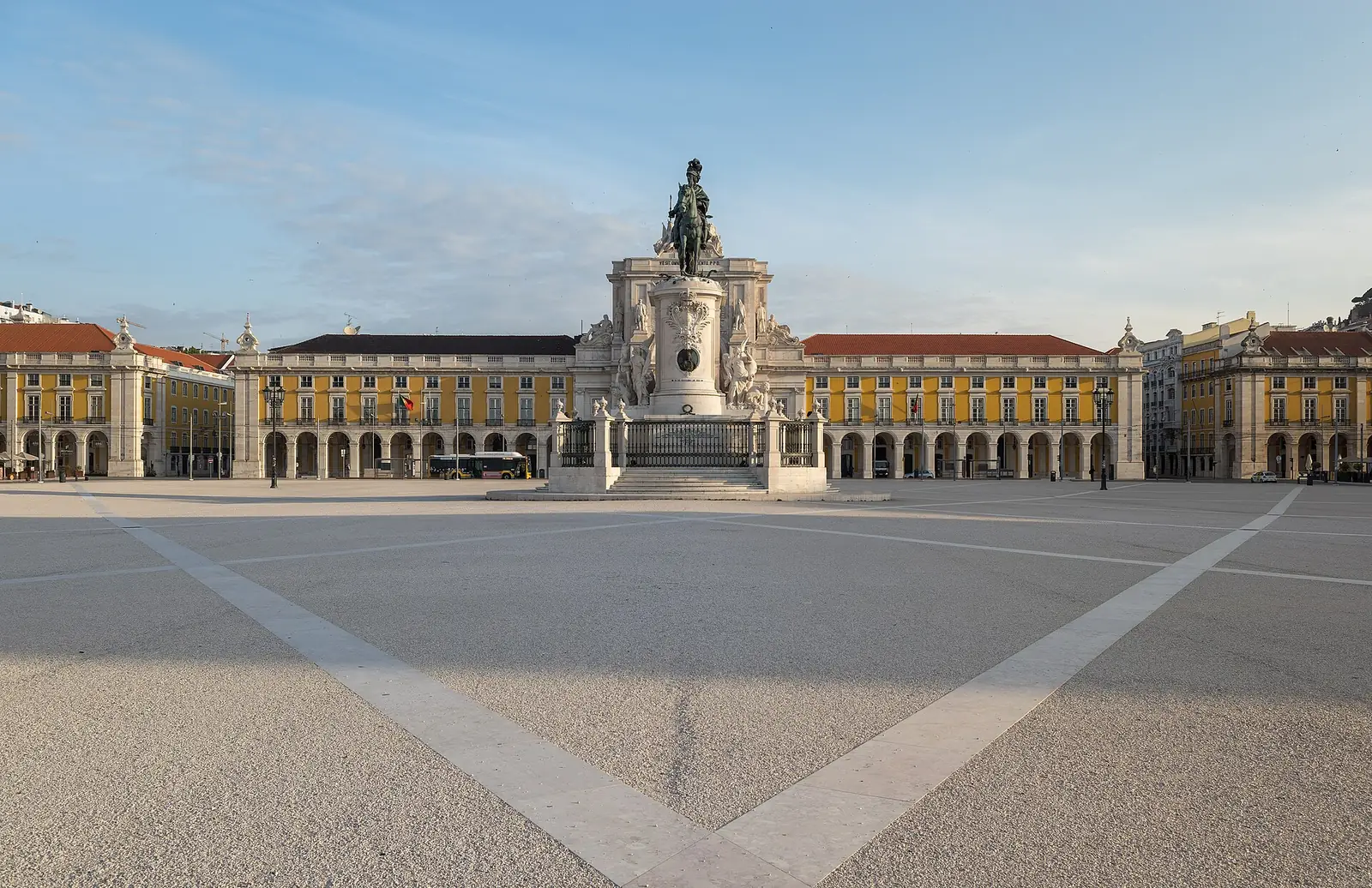
The square of the ministries, the centre of power of the Estado Novo (“New State”). At dawn on 25 April 1974 Captain Salgueiro Maia’s column from Santarém occupied it; the forces sent against it went over one after another to the Movement’s side, and the ministers escaped through a wall knocked open with pickaxes.
Revolution
Notes on the sources3
What position Father João Perestrelo de Vasconcelos held: Irene Pimentel calls him the “parish priest” of the Sé, but the biographical note published with the same text says he was chaplain of the Alfeite Arsenal, and the PIDE arrested him in the sacristy of the church in Cova da Piedade.
Whether the meeting of 11 March was in the cloisters or in another part of the cathedral: Irene Pimentel speaks of the cloisters and, immediately afterwards, of the order to leave “that church”.
The visiting hours: the cathedral’s “Horários” (Opening hours) page and the footer of the same website give different times for the summer months.
Do you know more, or do you have a document? Tell us.