Colonialismdoctor (Lisbon Faculty of Medicine)poetmember of the MUD Juvenilpolitical prisonerpresident of the MPLA and of Angola
Born
17 September 1922, Kaxicane (Ícolo e Bengo), Angola
Died
10 September 1979, Moscow
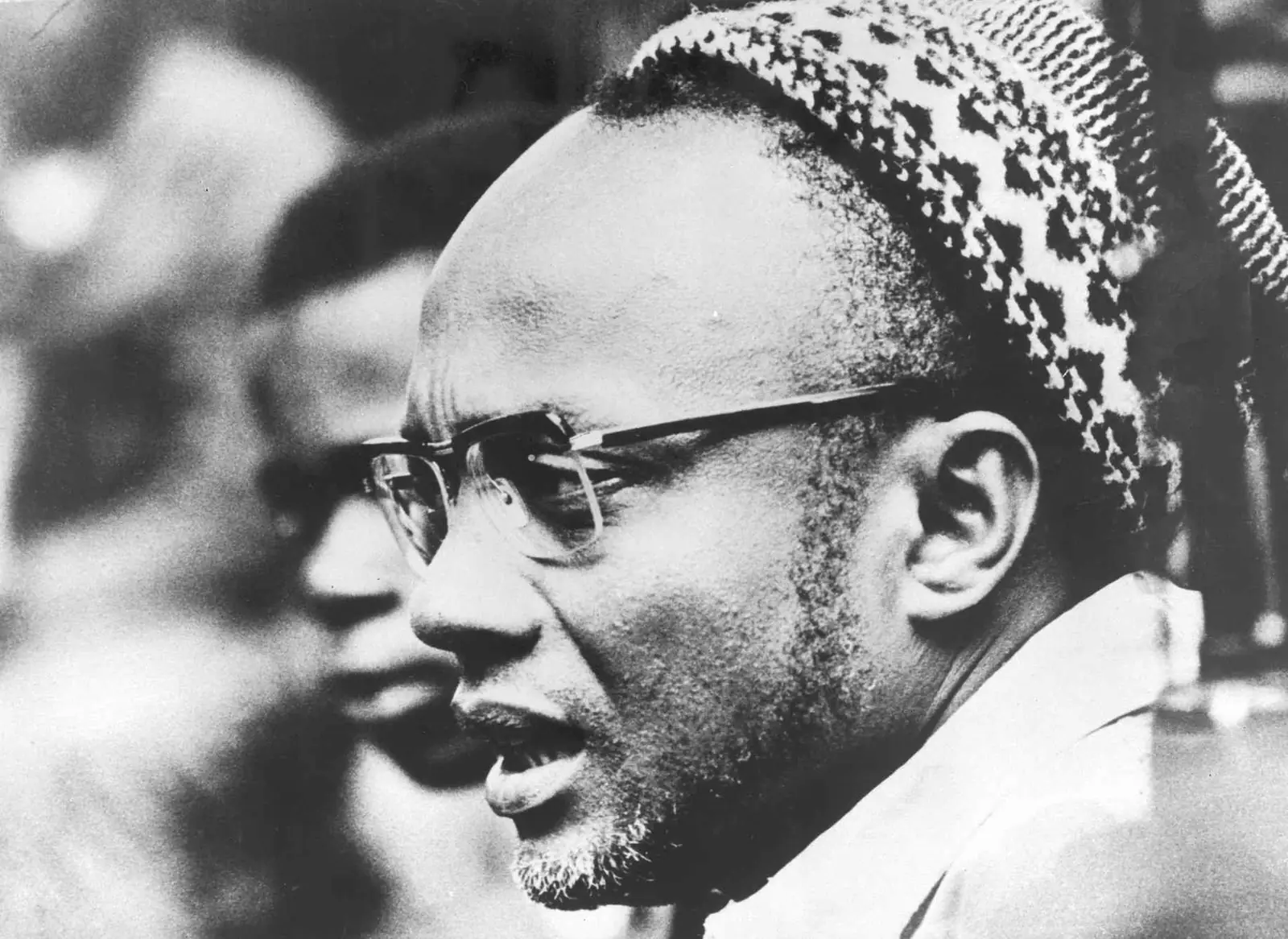
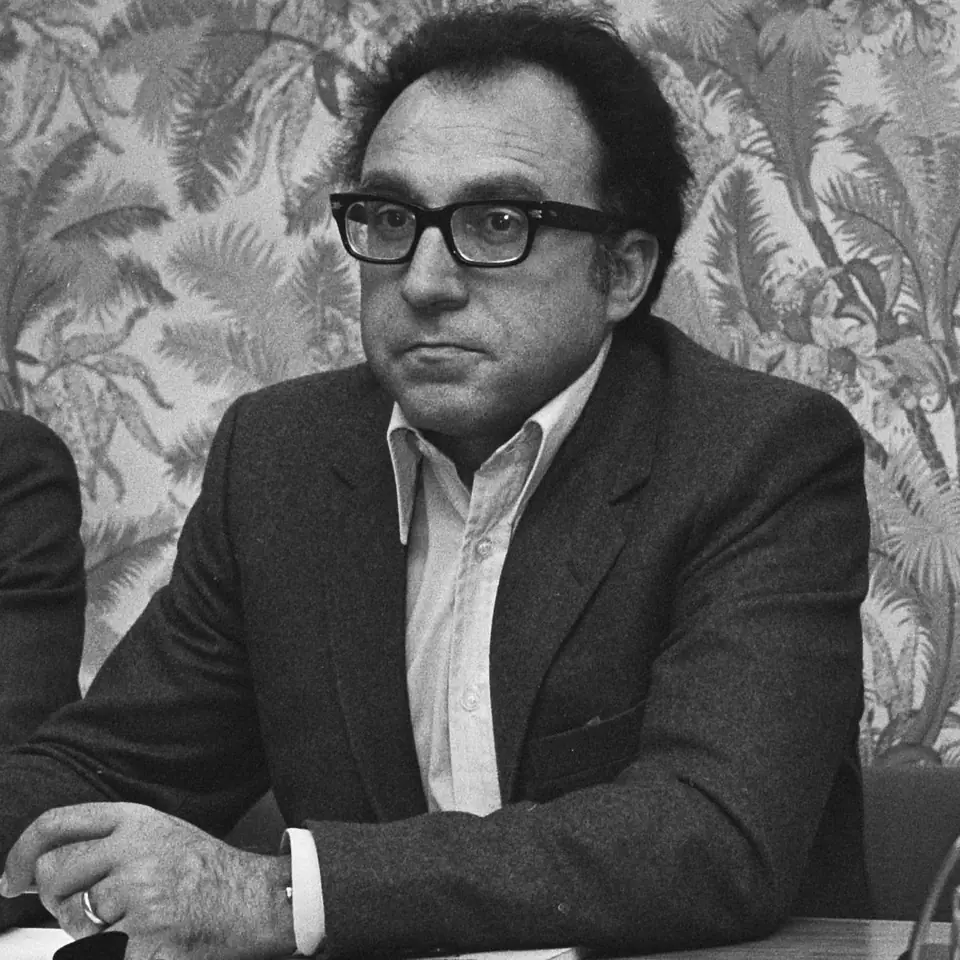
A medical student in Lisbon from 1948, he was active in the House of the Students of the Empire, the MUD Juvenil and the Centre for African Studies. Arrested several times by the PIDE in Lisbon, he was the first president of independent Angola.
He was born on 17 September 1922 in Kaxicane, Angola.1 He began studying medicine in Coimbra and in 1948 transferred to the Lisbon Faculty of Medicine, without giving up his activity at the House of the Students of the Empire.3 In Lisbon he was active in the MUD Juvenil and took part in setting up the Centre for African Studies, with Amílcar Cabral, Mário Pinto de Andrade, Marcelino dos Santos and Francisco José Tenreiro.1
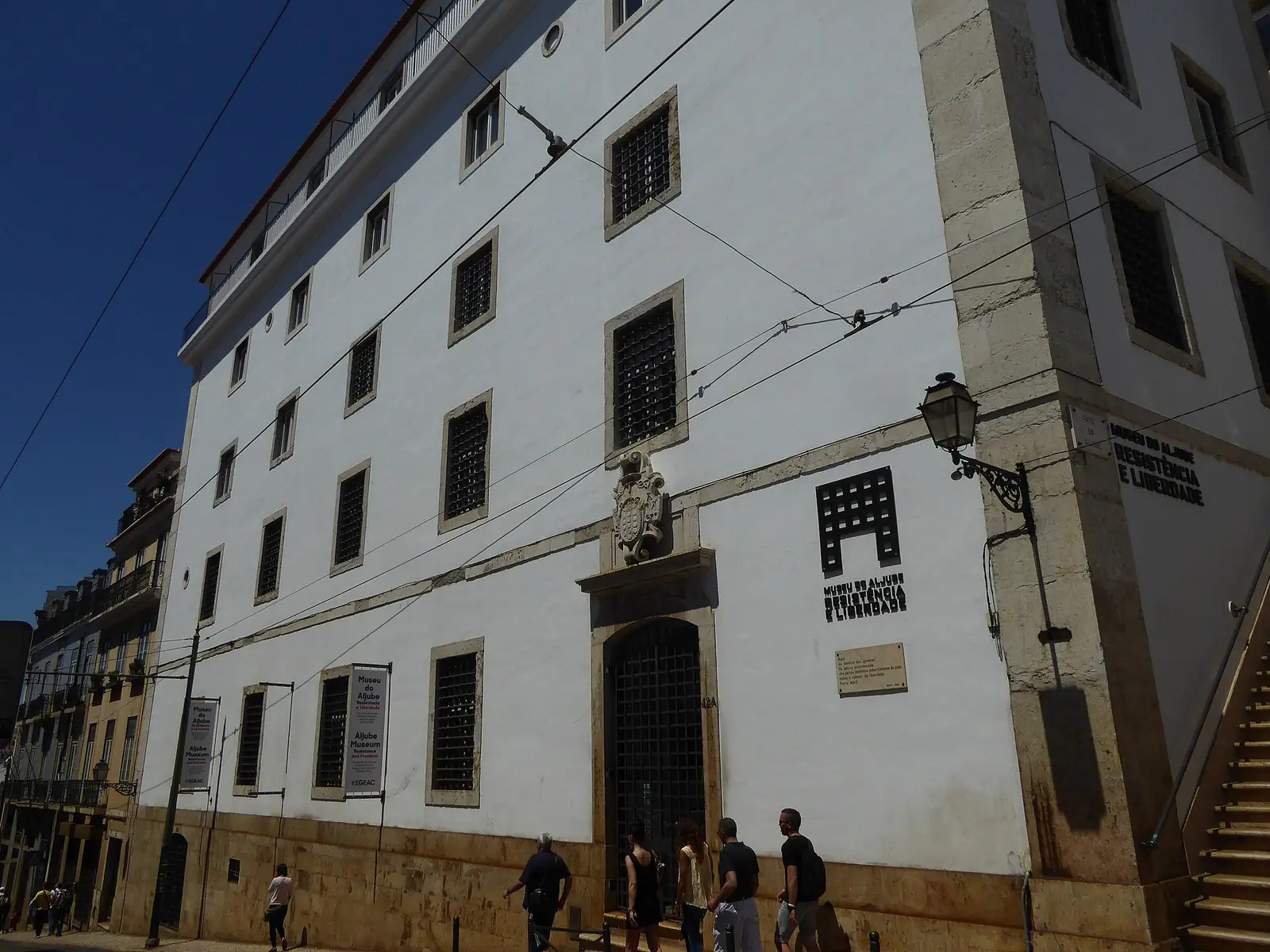
The PIDE arrested him in Lisbon in 1950, while he was collecting signatures for the World Peace Conference, and again in 1951. In 1955 he was arrested once more and sentenced to 18 months in prison. Released in July 1957, he graduated in medicine in Lisbon on 27 October 1958.3 He was arrested again; in 1962 he was briefly held in Aljube Prison and was released in March.31 That year he left Portugal clandestinely, with his wife and children.1
He took over the leadership of the People’s Movement for the Liberation of Angola (MPLA) and was the first president of independent Angola. He died in 1979, in Moscow.13
An agronomy student in Lisbon from 1945, he met Agostinho Neto, Mário Pinto de Andrade and Marcelino dos Santos at the House of the Students of the Empire, and was one of the leaders of the Centre for African Studies. He founded the PAIGC and was assassinated in Conakry in 1973.
A poet from São Tomé whose Lisbon home, on Rua Actor Vale, housed the Centre for African Studies from 1951. Arrested in 1965 and imprisoned in Caxias, she later wrote the words of the anthem of São Tomé and Príncipe.
A Mozambican poet, she lived in Lisbon from 1951 to 1964, published in the House of the Students of the Empire’s “Mensagem” and attended the Centre for African Studies, until her opposition to the Estado Novo (“New State”) forced her into exile in Paris.
A communist leader, he was arrested in 1949 and escaped from Peniche Fortress in 1960. General secretary of the PCP, he returned from exile on 30 April 1974 and addressed the crowd at the airport from the top of a Chaimite armoured car.
A communist leader, he was one of the eight prisoners who escaped from Caxias in Salazar’s armoured car, in 1961. Arrested in 1959 and again in 1965, he withstood PIDE torture without talking.
A metalworker and anarcho-syndicalist, he was one of the perpetrators of the bomb attack on Salazar on Avenida Barbosa du Bocage, in 1937. He fled to England, was handed over to the Portuguese police and was not released from prison until 1953.
Notes on the sources1
The dates of the arrests in Lisbon (1950, 1951 and 1955), of the release (July 1957) and of the time in the Aljube in 1962 come only from Wikipedia; the Aljube Museum says only that he was arrested several times and released in 1962.
Do you know more, or do you have a document? Tell us.
Sources
1Agostinho Neto. Museu do Aljube Resistência e Liberdade — consulted on 2 October 2026





,_Bestanddeelnr_927-8518_(cropped).jpg)