Women of the resistance
Sofia Quintino
Sophia da Conceição Quintino
- Born
- 23 May 1879, Lamas (Cadaval)
- Died
- 8 July 1964, Carnaxide (Oeiras)
One of the first Portuguese women doctors, she qualified in Lisbon in 1905 and was a feminist, a republican and a freethinker: she belonged to the Portuguese Group for Feminist Studies and to the Republican League of Portuguese Women.
She was born in Lamas, in Cadaval, on 23 May 1879. She qualified in 1905 at the Lisbon Medical-Surgical School and opened a practice, with other women doctors, at no. 206 Rua da Palma.1
In 1907, with Ana de Castro Osório, Carolina Beatriz Ângelo, Adelaide Cabete and Maria Veleda, she was part of the Portuguese Group for Feminist Studies.21 She later joined the Freethought movement and the Republican League of Portuguese Women, and wrote feminist articles in the Jornal das Senhoras and in A República.1
During the First World War, in Ana de Castro Osório’s Women’s Committee “Pela Pátria” (For the Homeland), she coordinated the first nursing courses in Portugal that were not taught by nuns.1 Between 1918 and 1948 she headed the physiotherapy services of Lisbon’s public hospitals and, at São José Hospital, ran the section that treated lupus with Finsen light. She died in Carnaxide on 8 July 1964, aged 85.1
On the walks
Places

In the timeline
They crossed paths with her
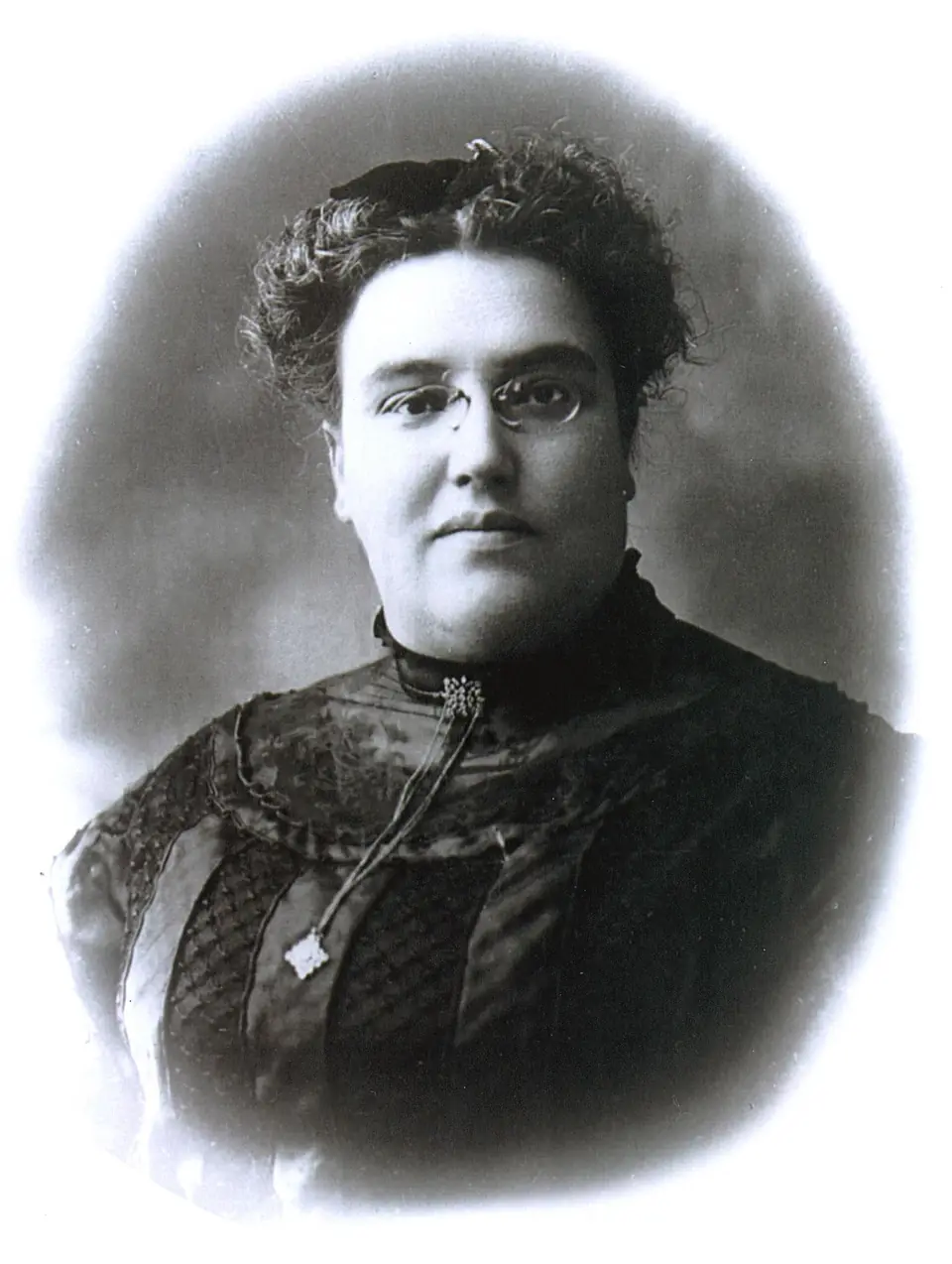
Ana de Castro Osório
1872–1935
A writer, author of what is considered the first Portuguese feminist manifesto (1905), she launched the Republican League of Portuguese Women and founded, with Carolina Beatriz Ângelo, the Feminist Propaganda Association, which advocated the vote for educated women.
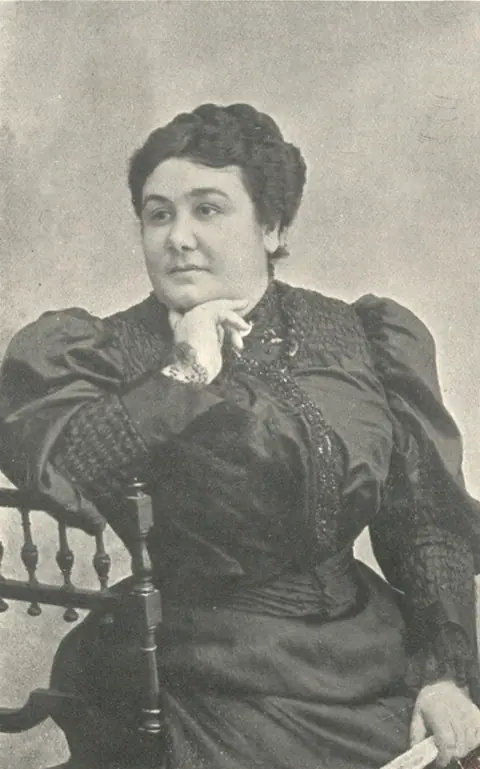
Adelaide Cabete
1867–1935
A republican doctor who only began studying after she married, she founded the National Council of Portuguese Women in 1914, chaired it for more than twenty years and made her practice in Restauradores its headquarters.
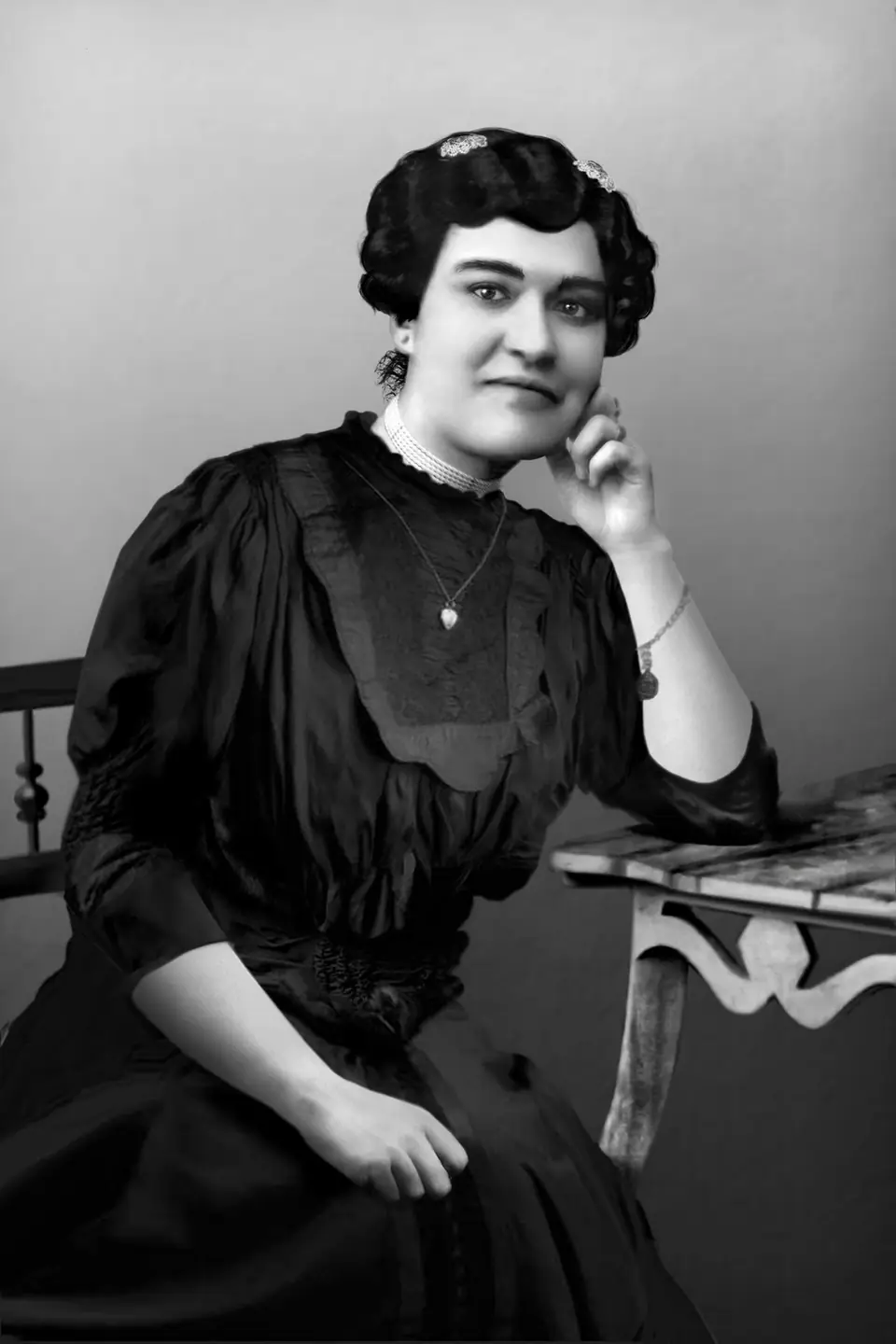
Carolina Beatriz Ângelo
1878–1911
A doctor, the first Portuguese woman surgeon and a suffragist. A widow and “head of household”, she won in court the right to be registered as a voter and, on 28 May 1911, at the Clube Estefânia, became the first woman to vote in Portugal.
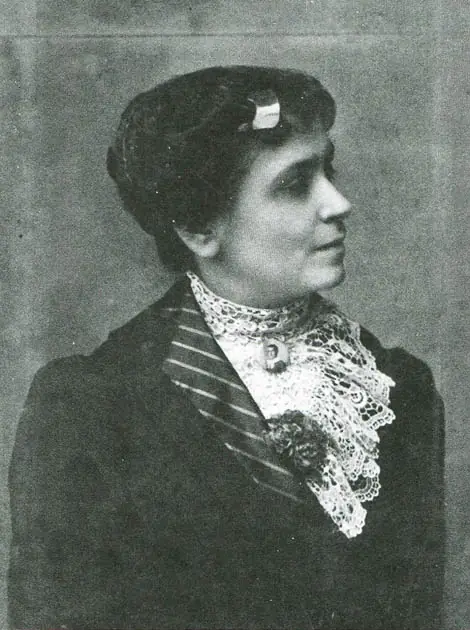
Maria Veleda
1871–1955
A teacher and journalist from Faro, and a single mother, she gave evening classes to illiterate women and led the Republican League of Portuguese Women, advocating unrestricted votes for women.
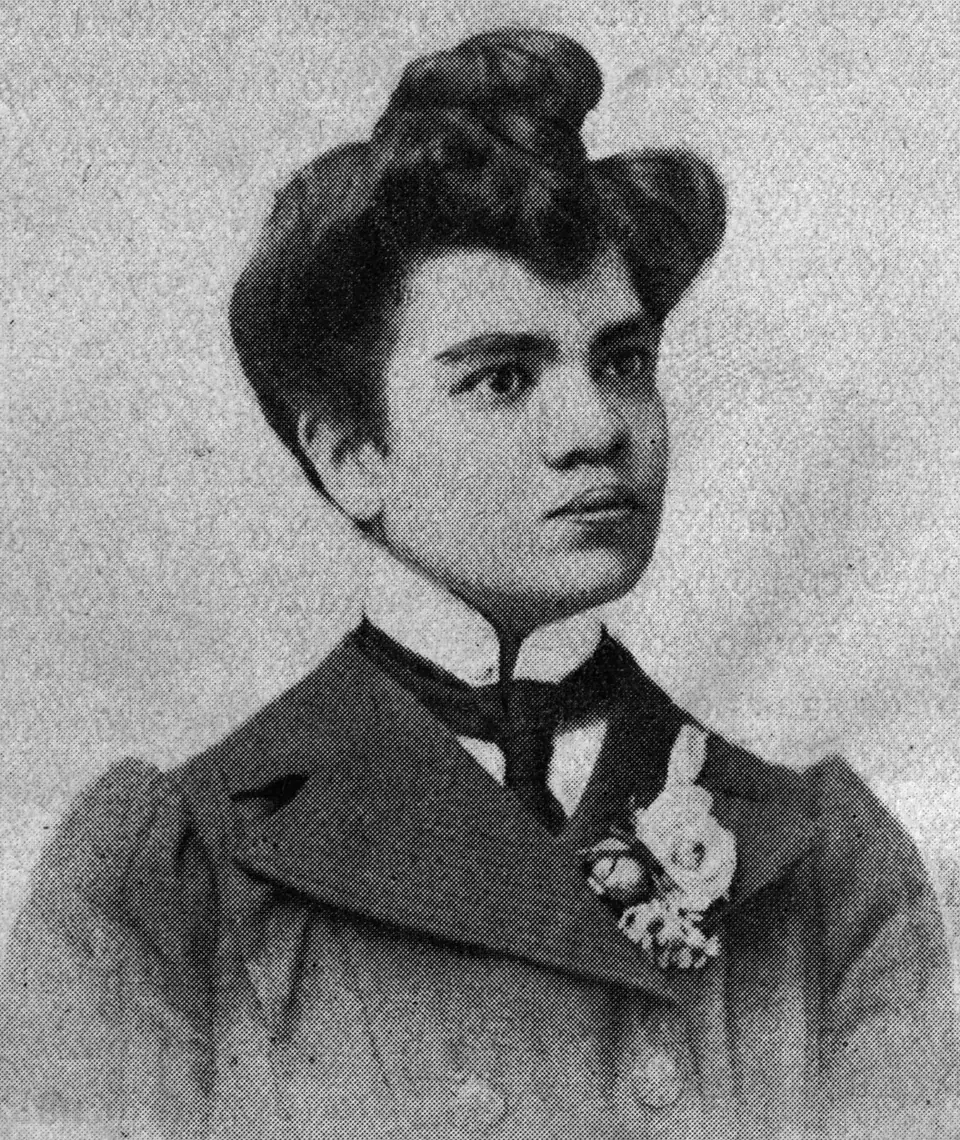
Virgínia Quaresma
1882–1973
Considered the first Portuguese professional woman journalist, she worked for “O Século” and “A Capital”, campaigned for divorce and for the vote, and opened the way for other women journalists, such as Maria Lamas.
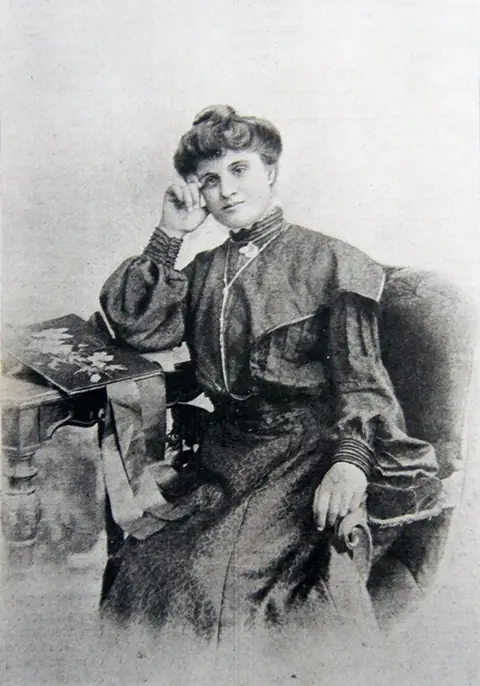
Domitila de Carvalho
1871–1966
The first woman to attend the University of Coimbra, she graduated in Mathematics, Philosophy and Medicine and was a teacher and headmistress of the first girls’ secondary school (liceu). A monarchist and conservative who supported nascent Salazarism, she was one of the first three women deputies, elected in 1934 on the National Union lists.


Notes on the sources1
- The address of the practice (Rua da Palma, 206, 1st floor left) and the dates of her hospital career (1918–1948) depend only on Wikipedia.
Do you know more, or do you have a document? Tell us.
Sources
- 1Sofia Quintino. Wikipédia (pt) — consulted on 2 October 2026
- 2Ângelo, Carolina Beatriz (1878-1911) — Dicionário de Médicos Portugueses. Unidade de História da Medicina, Faculdade de Ciências Médicas da UNL (projeto de estudantes) — consulted on 2 October 2026