It was in this hospital that Carolina Beatriz Ângelo became the first Portuguese woman doctor to operate. On the night of 25 April 1974, it took in those wounded by the PIDE/DGS shooting on Rua António Maria Cardoso; the student João Arruda died here.
São José Hospital occupies the former College of Santo Antão, known for its teaching of astronomy and mathematics. After the earthquake of 1755, which destroyed the Royal Hospital of All Saints, it was here and on the Santana hill that the city began to care for the living.6
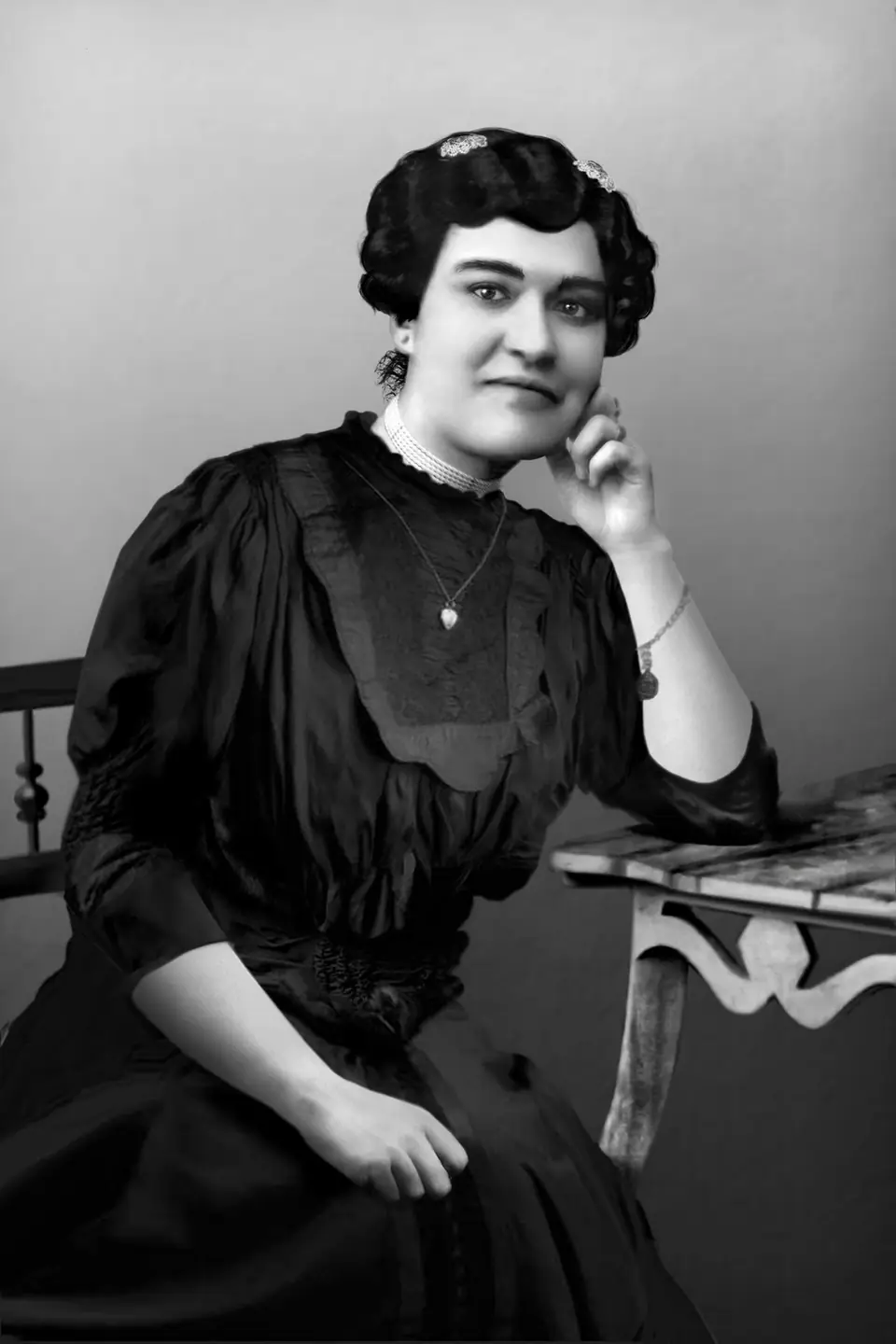
The first Portuguese woman surgeon worked here. Carolina Beatriz Ângelo, who graduated from the Lisbon Medical School in 1902, was a pioneer in surgery, under the guidance of Professor Sabino Maria Teixeira Coelho, and the first Portuguese woman doctor to operate at São José Hospital.1 According to FCSH+Lisboa, she was also the first woman student on the hospital’s surgery course.2 She also worked at Rilhafoles, with Miguel Bombarda, and specialised in gynaecology, with her consulting rooms on Rua Nova do Almada.1
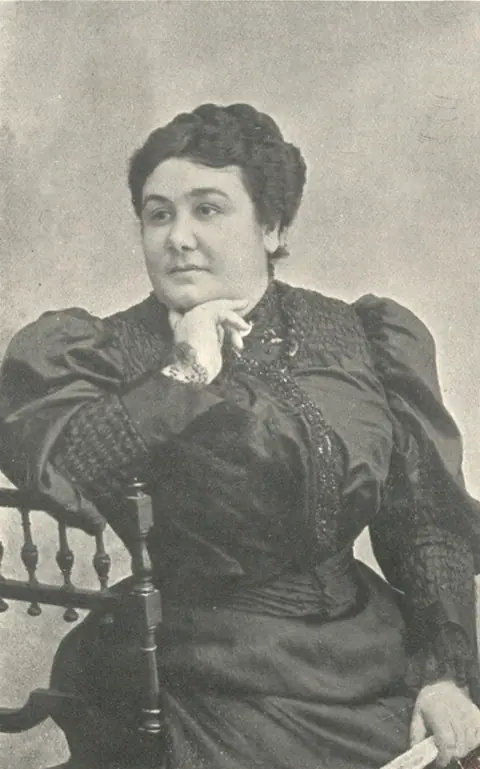
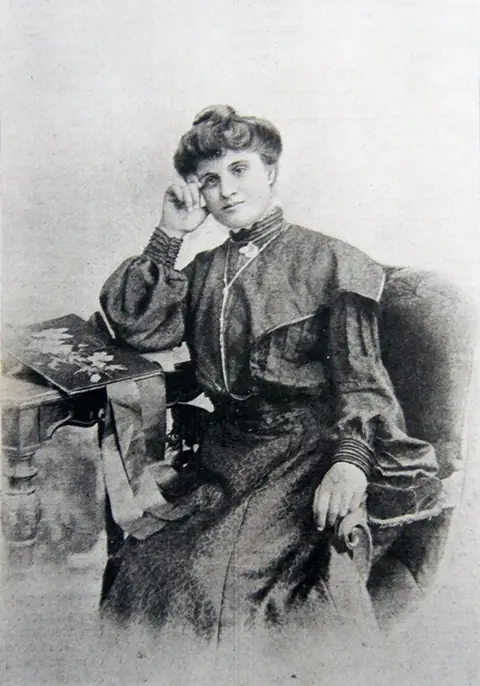
It was a small generation of women doctors: in 1906, Carolina and four others — Adelaide Cabete, Domitila de Carvalho, Emília Patacho and Maria do Carmo Lopes — joined the Portuguese committee of the French association La Paix et le Désarmement par les Femmes (Peace and Disarmament through Women).1 Another woman doctor of that generation, Sofia Quintino, who graduated in 1905, went on to head the section of this hospital that treated tuberculous lupus with Finsen light, some time after 1931.4
On the night of 25 April 1974, DGS agents fired from the windows of their headquarters, on Rua António Maria Cardoso, on the crowd demanding their surrender. According to the next day’s A Capital, cited by Esquerda.net, dozens of wounded were brought to São José Hospital.7João Arruda, a 20-year-old student at the Faculty of Letters, hit in the head at around 20:30, died here at 00:30 on 26 April.8
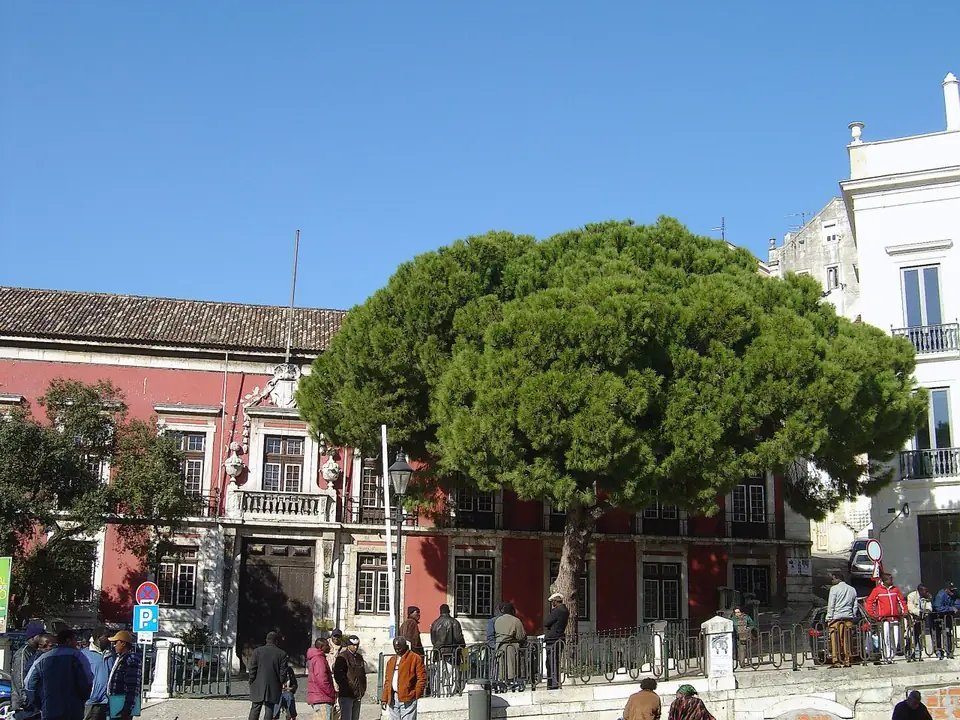
In 1946 this former palace on Calçada de Sant'Ana became the headquarters of the FNAT, the National Foundation for Joy at Work, through which the corporative State filled workers’ free time. It is still the headquarters of the INATEL Foundation, which succeeded it.
In 1915 the Seamstresses and Stitchers’ union had its headquarters here. It was here that Adelaide Abrantes called the women workers of Ramiro Leão & C.ª, who went on strike against the dismissal of three colleagues and were dispersed by the GNR.
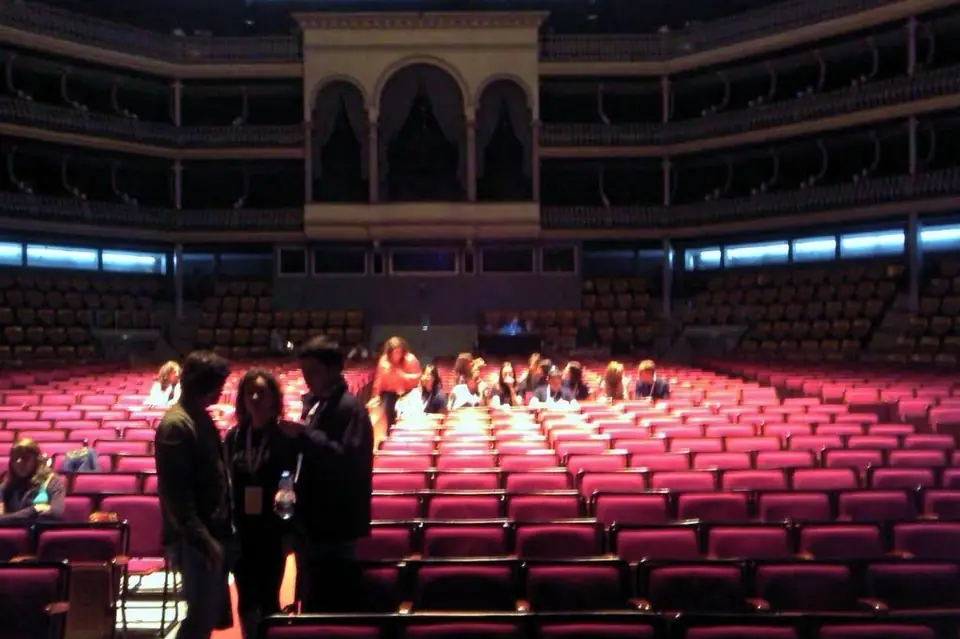
On 29 March 1974, less than a month before the revolution, the 1st Portuguese Song Meeting (I Encontro da Canção Portuguesa) filled the Coliseu. Censorship had cut songs, but the audience sang “Grândola, Vila Morena” in chorus and shouted “Down with repression!” (abaixo a repressão!).
Today: Palácio da Independência (Historical Society of the Independence of Portugal)
In the palace where the uprising of 1 December 1640 was planned, the Estado Novo set up the headquarters of the Portuguese Youth (Mocidade Portuguesa), the regime’s youth organisation. Abolished on 25 April 1974 itself, it made way for the Association of the Disabled of the Armed Forces.
Repression
Notes on the sources3
Where Carolina Beatriz Ângelo operated with Sabino Coelho: Toponímia de Lisboa links his guidance to the operations at São José; FCSH+Lisboa says she was an intern at the Hospital D. Estefânia, “alongside the doctor Sabino Coelho, where she assisted him and performed operations”.
The year in which Carolina Beatriz Ângelo first operated at São José.
When Sofia Quintino headed the lupus section: only Wikipedia says so, without a date.
Do you know more, or do you have a document? Tell us.




.jpg)