Oppositioncivil engineercommunist activistmember of the PCP Central Committee while undergroundpolitical prisoner
Born
1915
Died
1998
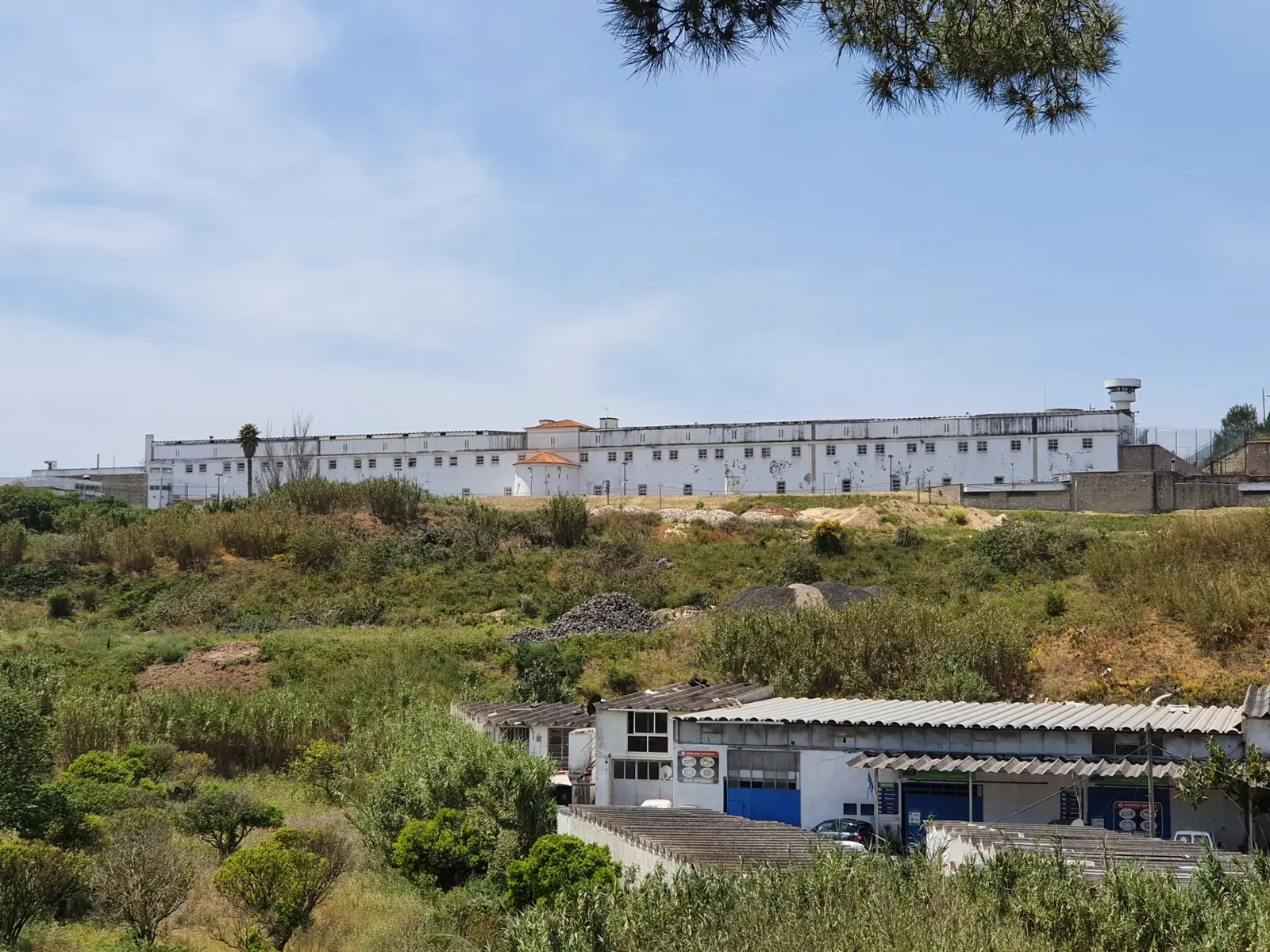
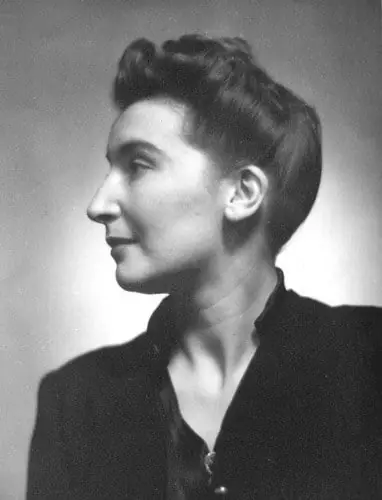
The first woman recognised as a civil engineer in Portugal, and a communist activist, she was arrested sixteen times by the PIDE. In 1949 she was held in Caxias, in the same cell as Maria Lamas.
She was the first woman recognised as a civil engineer in Portugal. At 18 she joined the Portuguese Communist Party (PCP) and, in the same year, the Portuguese section of International Red Aid, which supported political prisoners in Portugal and Spain. Her opposition to the regime meant she was never allowed a public-sector job.1
At the end of 1945 she joined the Porto District Committee of the Movement of Democratic Unity, and while underground she was a member of the PCP Central Committee. In the 1940s and 1950s, under the pseudonym Maria Selma, she contributed to newspapers and magazines and organised lectures.1 She was active in the Portuguese Women’s Association for Peace, alongside Isabel Aboim Inglez, Manuela Porto and Elina Guimarães.3 She was at the rally in support of Norton de Matos’s candidacy and supported that of Humberto Delgado, the 1962 academic crisis and the congresses of the democratic opposition in Aveiro, in 1969 and 1973.1
She was arrested sixteen times by the PIDE, prosecuted nine times and convicted three times, and was beaten by the police in public on several occasions.1 In 1949 she was held in Caxias, in the same cell as Maria Lamas.21 In 1951 she was tried for “treason against the Fatherland”, for having signed a declaration demanding that Salazar negotiate with the government of India over Goa, Daman and Diu.1
After 25 April she was made a Grand Officer of the Order of Liberty and received the Medal of Honour of Porto City Council. She published Mulher de Abril: álbum de memórias (Woman of April: an album of memories). She died in 1998.1
From the archives
In other archives
These can only be viewed on each archive’s own website.
A journalist and writer, she edited “Modas e Bordados” (Fashions and Embroidery), chaired the National Council of Portuguese Women until the regime closed it down in 1947, and responded with “As Mulheres do Meu País” (The Women of My Country). She was arrested several times and lived in exile in Paris.
An underground communist activist, she was arrested in 1959 and sentenced to eight years of major imprisonment plus security measures, which she served in Caxias. A deputy from the Constituent Assembly onwards, she chaired the Parliamentary Committee on the Status of Women from 1983 to 1985.
A chemical engineer and underground PCP activist, she was in charge of the Eastern Zone of the Lisbon Local Committee, “the most important working-class zone of the capital”. Arrested by the PIDE in 1957, she was, in Caxias, one of the authors of the letters of the Caxias Manifesto.
An obstetrician and pioneer of “painless childbirth” in Portugal. She campaigned for Norton de Matos in 1949, on the Central Committee of the National Democratic Women’s Movement, and for that she was imprisoned in Caxias and barred from teaching at the Faculty of Medicine.
An actress, translator and reciter of poetry, she was vice-president of the National Council of Portuguese Women and, in 1947, spoke about Virginia Woolf at the Exhibition of Books Written by Women. Troubled by the exhibition, the regime closed the Council down that same year.
A teacher and feminist, the first woman on the Central Committee of the MUD, whom José Gomes Ferreira called “the Indomitable” (a Indomável). The regime closed her school, barred her from teaching and arrested her several times.
Notes on the sources1
The days and places of birth and death: the CIG gives only the years, 1915 and 1998.
Do you know more, or do you have a document? Tell us.