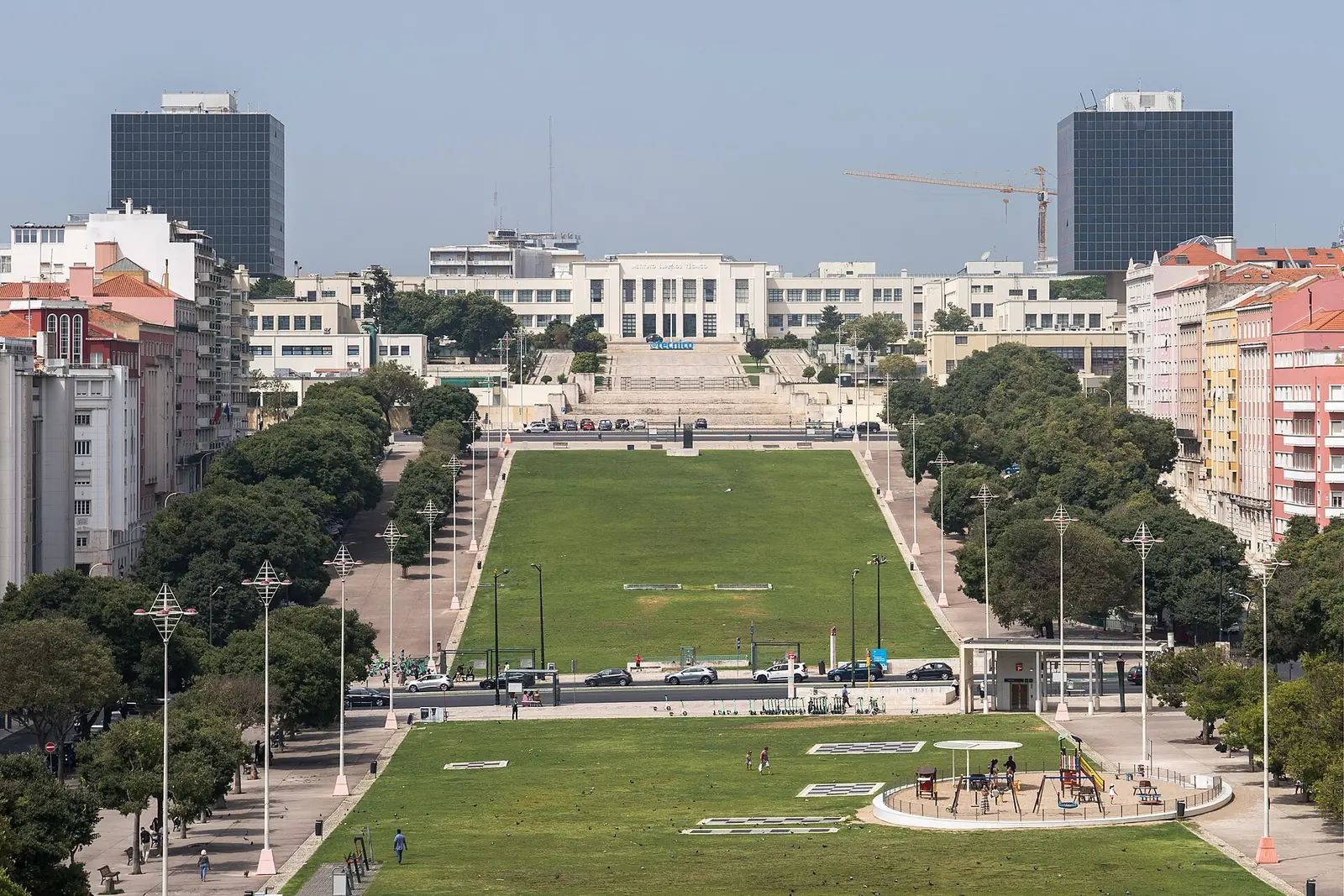
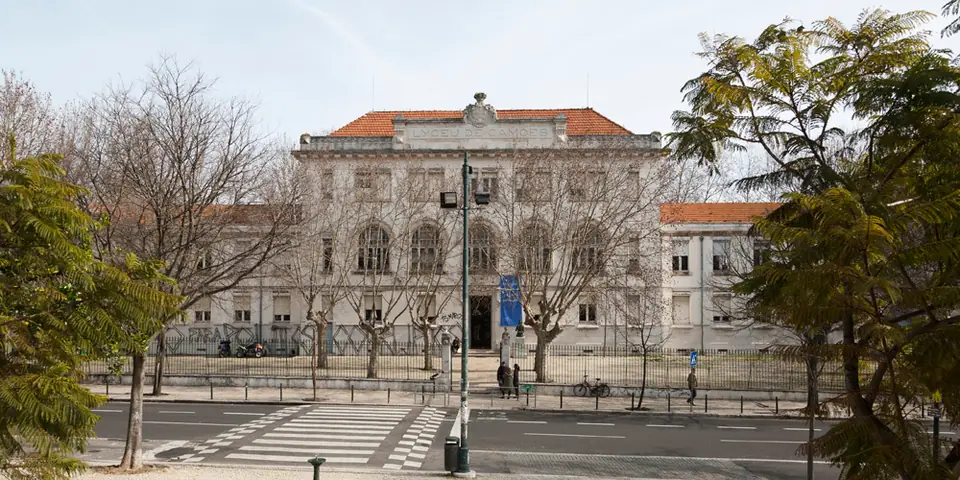
O cruzamento da Avenida Duque de Ávila com a Rua de Dona Estefânia, onde ficava a Casa dos Estudantes do Império, em 2005.Garsd, CC BY-SA 3.0
Arroios
House of the Students of the Empire (CEI)
Created by the regime in 1944 to foster “imperial unity” among students from the colonies, it became a school of opposition and anti-colonialism: Amílcar Cabral, Agostinho Neto and Alda do Espírito Santo passed through here. The PIDE closed it in 1965.
Today: Office and residential buildingThere is a marker at the siteOn one walk
During the years of the Second World War, students from the colonies came together in “houses” of their own: the first, the House of the Students of Angola, was founded in Lisbon on 1 December 1943.5 The regime feared they would become breeding grounds for nationalism and merged them into one, under the authority of the Ministry of the Colonies and the sponsorship of the Portuguese Youth (Mocidade Portuguesa), to foster the spirit of “imperial unity”.1 The House of the Students of the Empire was made official on 3 July 1944, on the proposal of the Minister of the Colonies, Vieira Machado; it later had branches in Coimbra and Porto.23
The project failed almost at once. In 1945, at a general meeting at the Liceu Camões, the members removed the board appointed by the ministry.5 Many joined the MUD Juvenil (Youth Movement of Democratic Unity) in 1946 and drew closer to the Portuguese Communist Party (PCP).1 In 1952, with an elected board close to the MUD Juvenil and the PCP, and after the members of the India section refused to sign a motion supporting the Government against Nehru, the regime imposed on the House an administrative committee run by the Portuguese Youth, which lasted until 1957; another was appointed in December 1960.2
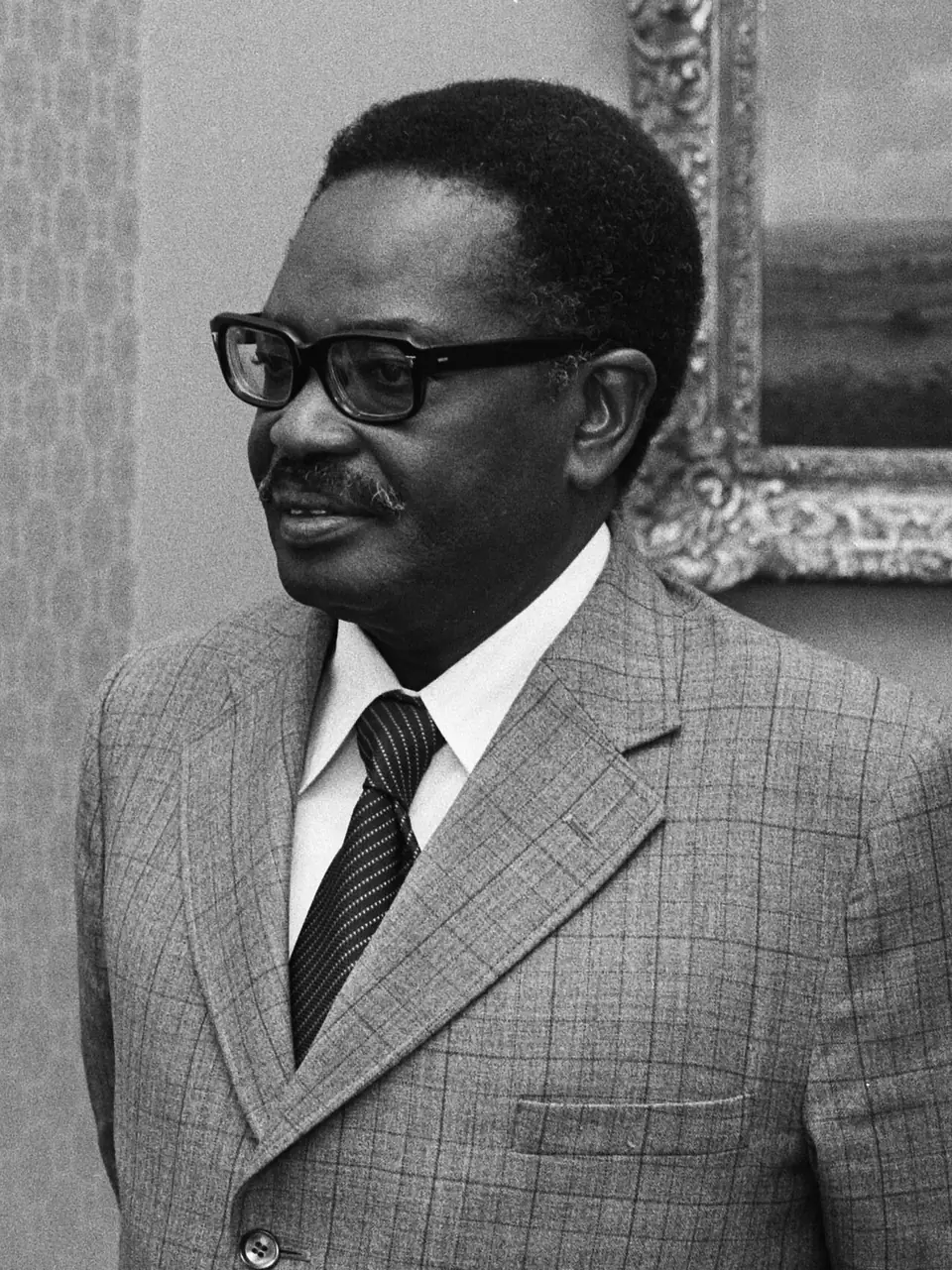
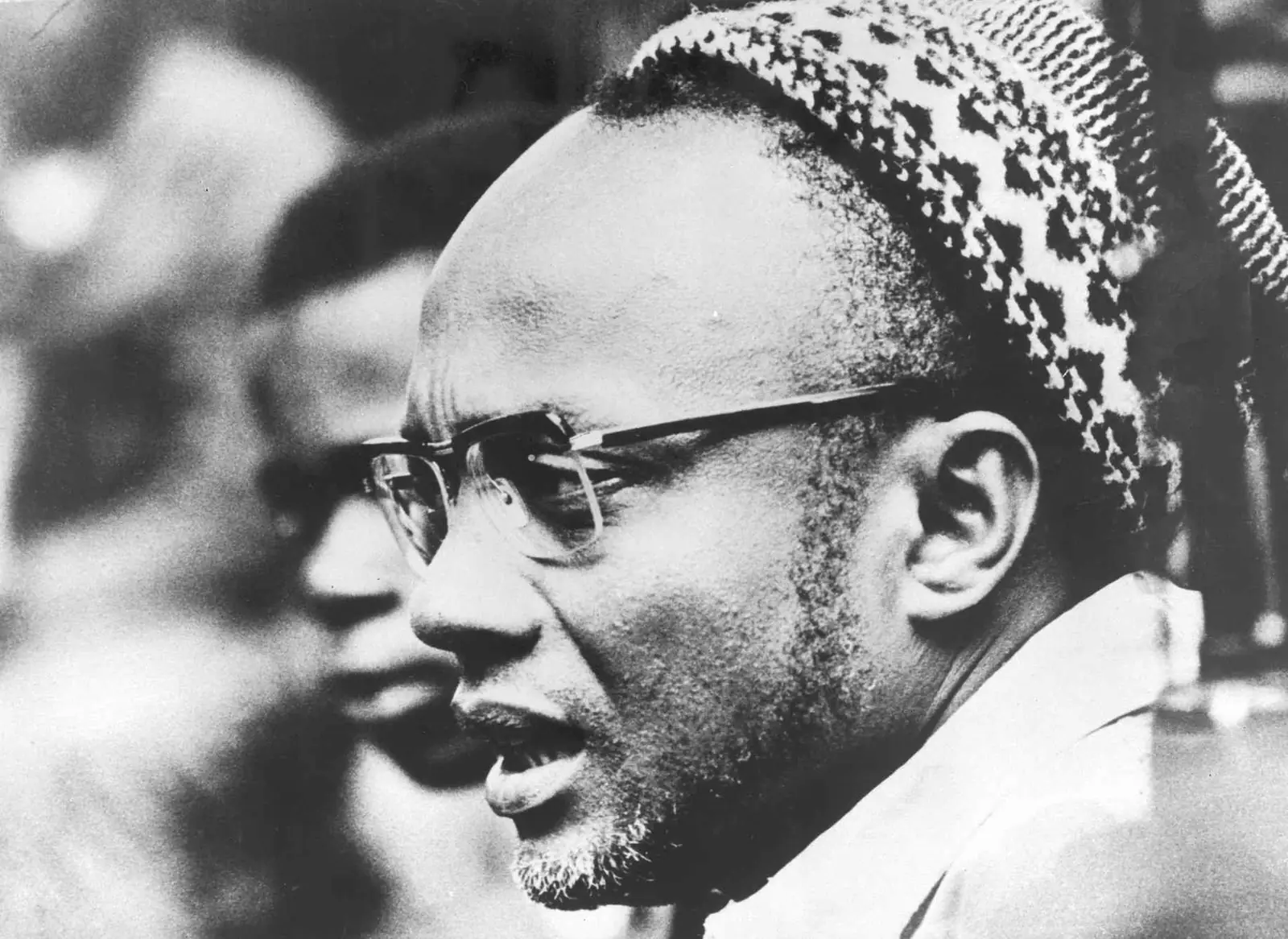
Amílcar Cabral and Luís Cabral, Agostinho Neto and Lúcio Lara, Marcelino dos Santos and Joaquim Chissano, Alda do Espírito Santo and Miguel Trovoada passed through here — founders and leaders of the liberation movements of Angola, Guinea and Cape Verde, Mozambique, and São Tomé and Príncipe.1 The House also welcomed the writers Alda Lara, Orlanda Amarílis and Lilica Boal, and from the anti-colonial circle that grew up around it came the Mozambican Joana Simeão, of the Mozambique Liberation Front (FRELIMO).54 Some of these students also met outside the House, at the Centre for African Studies.3
The House’s publications and its bulletins, Mensagem and Meridiano, lie at the origin of the African literatures in Portuguese: they published Viriato da Cruz, Luandino Vieira, Pepetela, José Craveirinha and Rui Knopfli.1 The Mozambican poet Noémia de Sousa also published in Mensagem.7
During the 1962 academic crisis, the House joined the academic mourning strike (luto académico), its duplicating machines served the propaganda of the students’ associations and its premises hosted meetings of the RIA, the Inter-Association Meeting. On 28 May, a riot police lorry was photographed from the balcony.1 Following a lead, the PIDE entered the building, seized files, books and magazines and questioned the board at length, starting with the president, the Angolan Carlos Ervedosa.2
In 1965, a year when censorship tightened, the Minister of National Education dissolved the House, on the pretext that it was not attached to any school. The PIDE questioned the board, moved into the buildings, confiscated files, books and furniture and removed everything that identified the association.2 The closure came in September.35 In 1992, with Jorge Sampaio at its head, Lisbon City Council set a commemorative plaque into the pavement in front of the building. The building has been completely renovated and painted yellow.3
Today: Instituto Superior Técnico – University of Lisbon
Pardal Monteiro’s campus was the scene of decisive plenary meetings of the student movement: here the academic mourning of 1962 was suspended, here the PIDE raided the students’ association in 1968, and here it was decided, in 1972, to go en masse to Ribeiro Santos’s funeral.
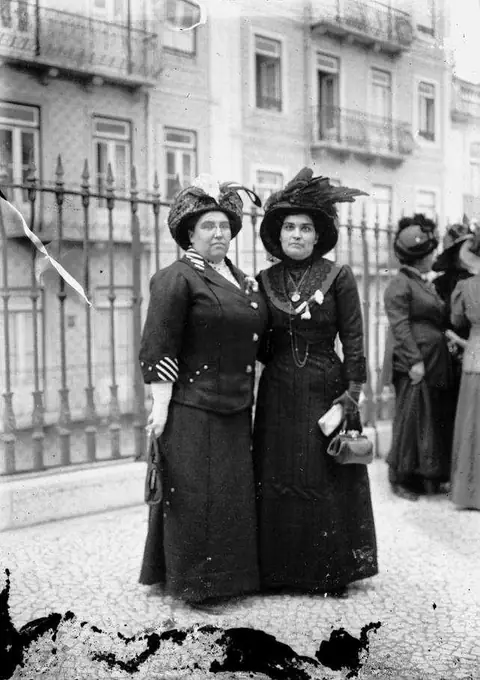
On 28 May 1911, the São Jorge de Arroios polling station was set up here. It was there that the doctor Carolina Beatriz Ângelo, registered by order of a judge, became the first woman to vote in Portugal.
In this republican centre on Calçada de Arroios, while the monarchy still ruled, Maria Veleda set up free evening courses to teach women to read and write; in 1907, the Portuguese Group for Feminist Studies gave classes here to illiterate women.
In the gymnasium of this secondary school, on 18 May 1958, Humberto Delgado held a presidential campaign rally, and the police violence was repeated afterwards. In 1945, it was here that the students from the colonies overthrew the board imposed on their House.
OppositionRepressionStudents
Notes on the sources3
The day of the closure: 6 September 1965 (Wikipedia) or just “September 1965” (DW Africa, on Buala).
The years of the administrative committees: from 1952 to 1957 and from December 1960 to July 1961 (ReMapping), or eight consecutive years from 1953 (DW Africa, on Buala).
The text of the 1992 plaque.
Do you know more, or do you have a document? Tell us.