Santo António
Largo do Rato (formerly Praça do Brasil)
In the revolt of February 1927 barricades went up here, and civilians and sailors were shot by firing squad beside the fountain. In 1931 the square was a front line again; in 1972, it was to the police station on the square that the police took those arrested at the Capela do Rato vigil.
On 7 February 1927, when the revolt against the Military Dictatorship was already collapsing in Porto, the uprising reached Lisbon. Sailors, GNR companies and armed civilians, under the command of men such as Mendes dos Reis and Agatão Lança, put up barricades on Rua Alexandre Herculano, in Largo do Rato and on Rua de São Filipe Néri, and occupied strategic points in the city. They surrendered late in the afternoon of the 9th.12 That day the threat to shoot civilians caught with weapons in their hands was carried out: beside the fountain in Largo do Rato, several civilians and sailors were executed. The fighting is said to have left at least 90 dead and more than 400 wounded in Lisbon.2
Four years later, on 26 August 1931, the square — then called Praça do Brasil — was a battlefront once more. The rebels took up positions from the top of Parque Eduardo VII and the Rotunda down to here; from the Carmo Barracks, a GNR cavalry squadron advanced as far as São Mamede and Largo do Rato, and it was from the square and from Campolide that, at around 11 o’clock, the Government infantry launched the counter-attack. By nightfall, the Government controlled the city: there were around 40 dead, nearly 200 wounded and more than 600 arrested, of whom 358 were deported to Timor without trial.3
On the night of 31 December 1972, the police brought the people they had removed from the vigil against the colonial war in the nearby Capela do Rato — ninety-one, according to the historian António de Araújo — in two vans to the police station on the square, in the former Convent of the Trinas do Rato. Once identified, they were released, except for fourteen, who were taken to the Civil Government and, in the early hours, to Caxias.6 Among the fourteen was one woman, the librarian Maria Benedita Galamba de Oliveira.5
Where it is
Map showing where Largo do Rato (formerly Praça do Brasil) is.
Dates
7 February 1927
The revolt reaches Lisbon; barricades on Rua Alexandre Herculano, in Largo do Rato and on Rua de São Filipe Néri.
9 February 1927, 19:30
The Lisbon rebels surrender; executions by firing squad beside the fountain in the square.
26 August 1931
Revolt of 26 August: the rebels reach the square, and the Government’s counter-attack sets out from here.
31 December 1972
Those detained at the Capela do Rato vigil are taken to the police station on the square.
30 Dec 1972
The Capela do Rato vigil against the colonial war
Nearby
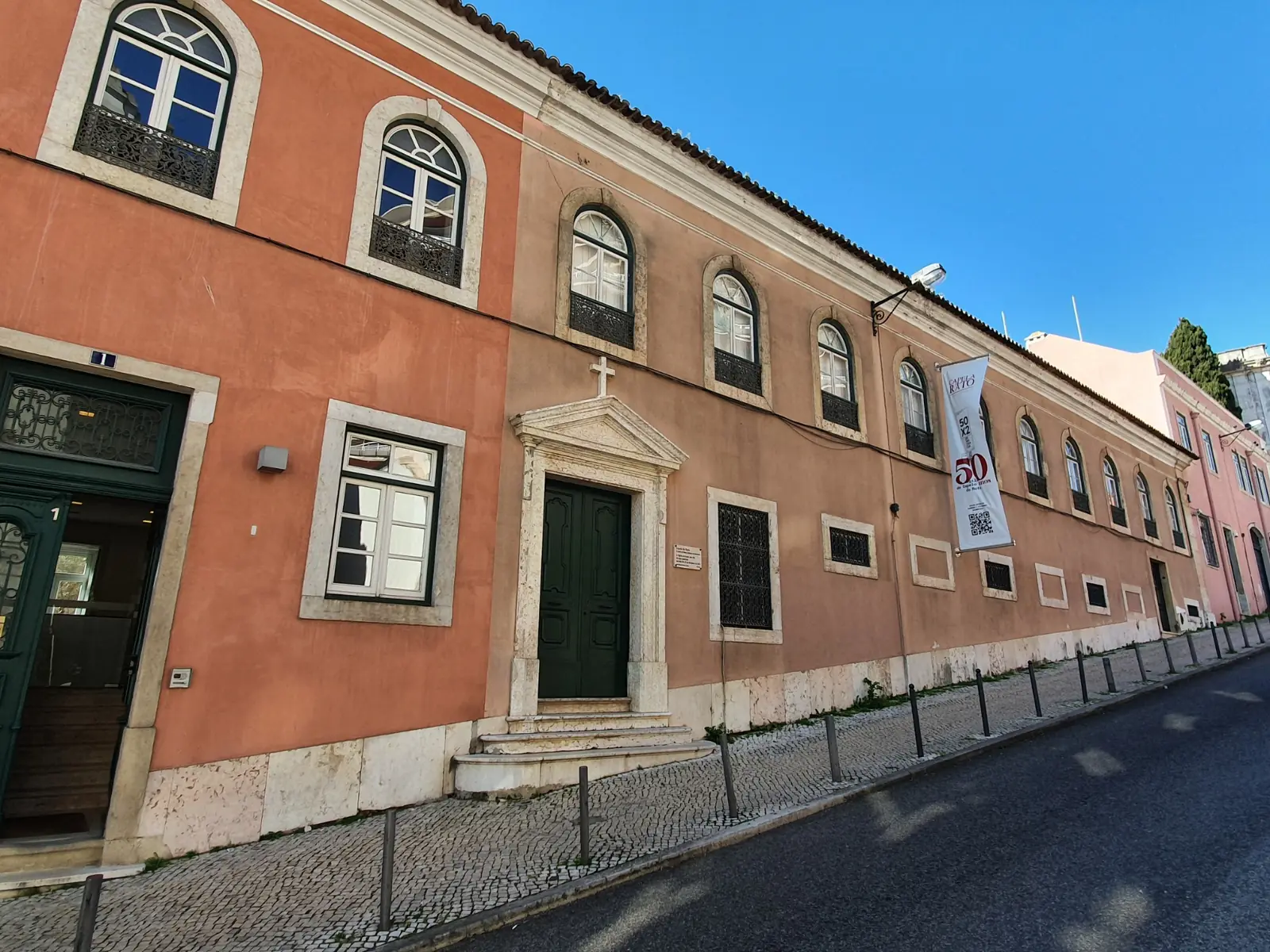
70 m · 5 min on foot
Capela do Rato
Today: Capela do Rato (Chapel of Nossa Senhora da Bonança)
Over the turn of 1972 into 1973, Catholics opposed to the colonial war held a 48-hour vigil here. It was a woman, Maria da Conceição Moita, who announced it at the microphone; the riot police broke it up and took dozens of people away.
OppositionColonialismRepression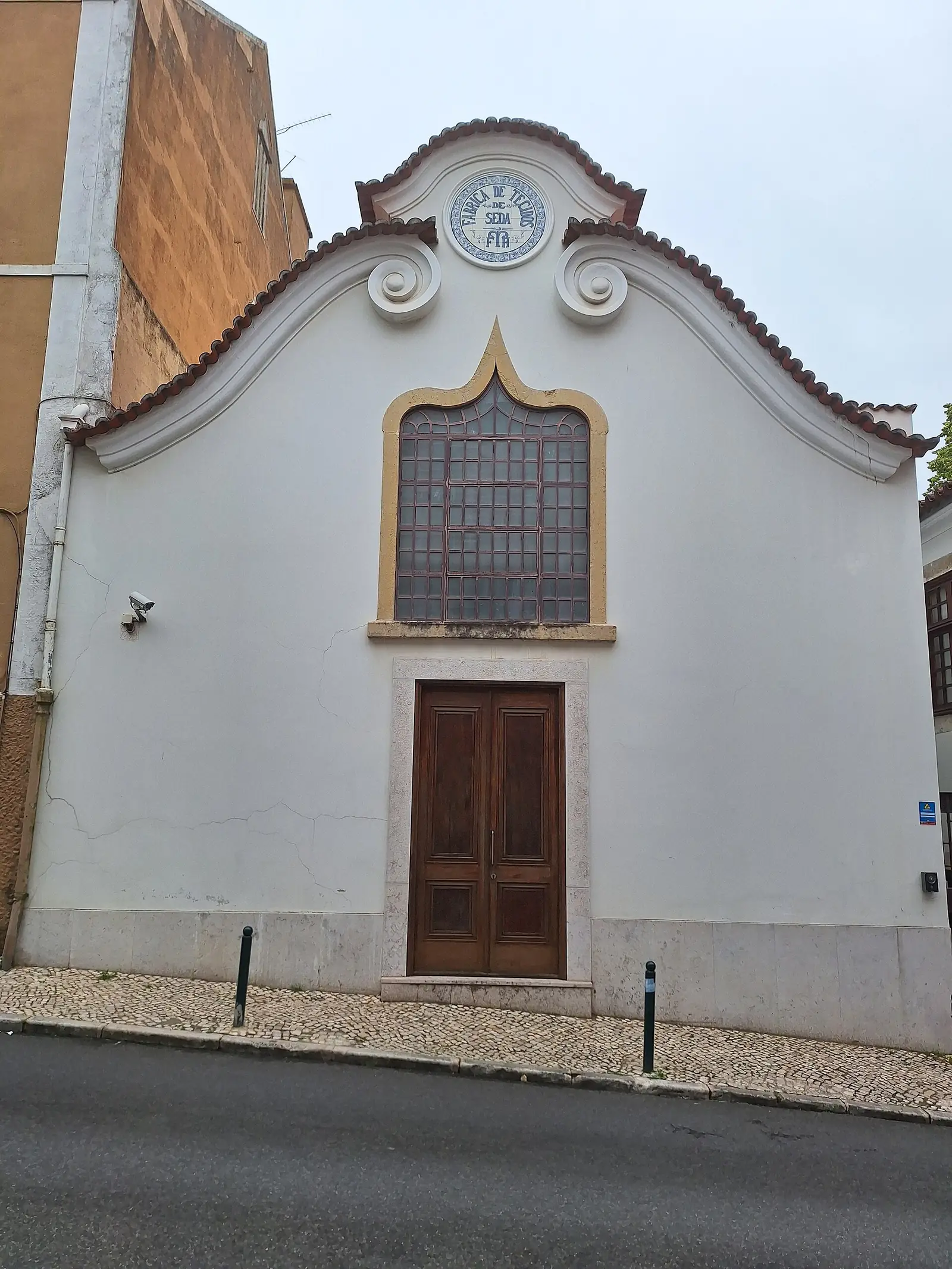
260 m · 5 min on foot
Last headquarters of the CNMP, closed by the police in 1947
In 1946, the National Council of Portuguese Women, chaired by Maria Lamas, moved its headquarters to this lane in Amoreiras. On 28 June 1947, the police closed it “without prior notice”, putting an end to 33 years of the association.
WomenRepression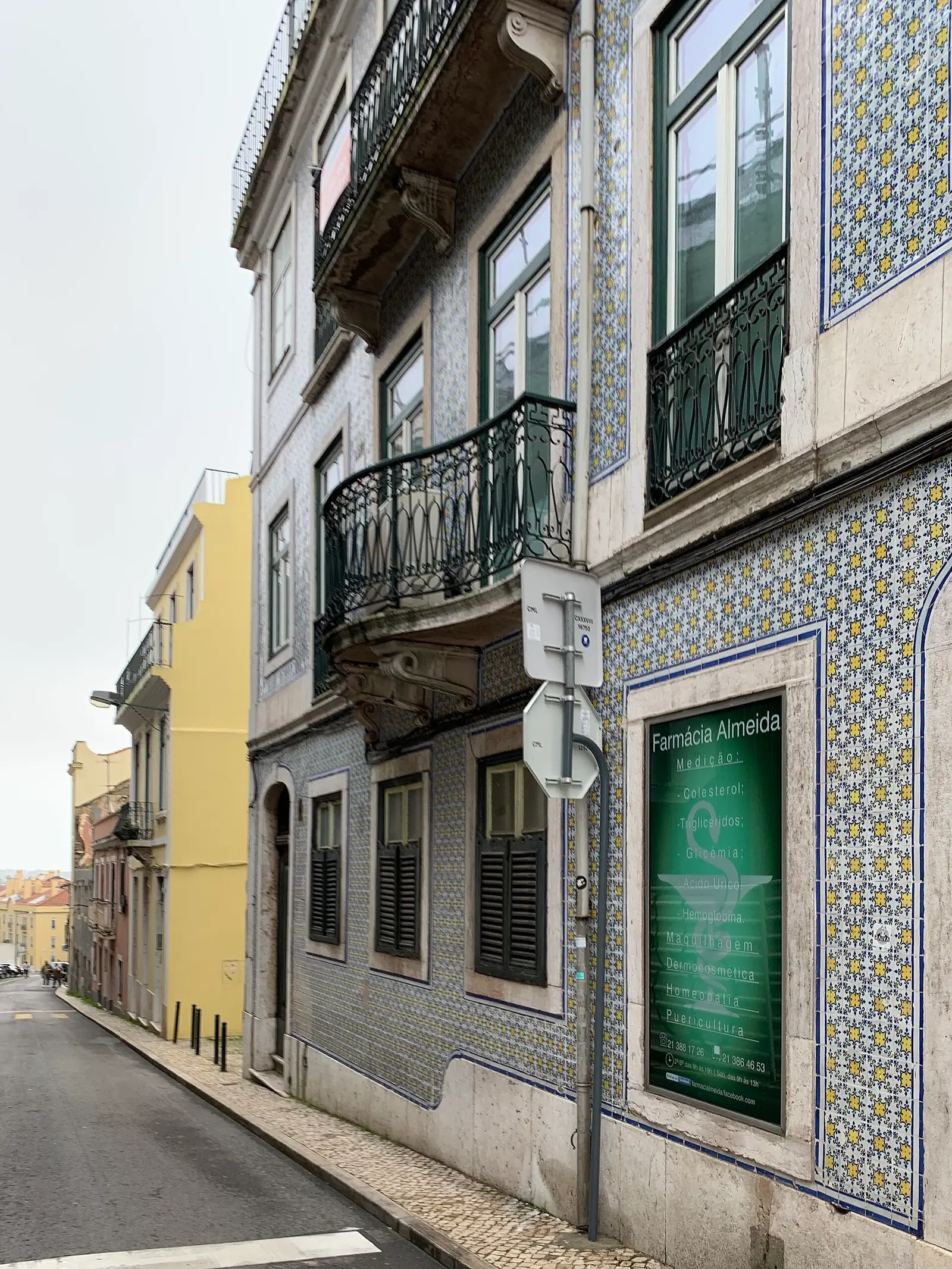
290 m · 5 min on foot
Home of Carolina Beatriz Ângelo and Januário Barreto (Rua do Sol ao Rato, 181)
In 1909 the doctor Carolina Beatriz Ângelo lived here with her husband, the republican doctor Januário Barreto. His funeral left from here in 1910; widowhood made her a “head of family”, the status with which, in 1911, she became the first woman to vote in Portugal.
WomenRepublic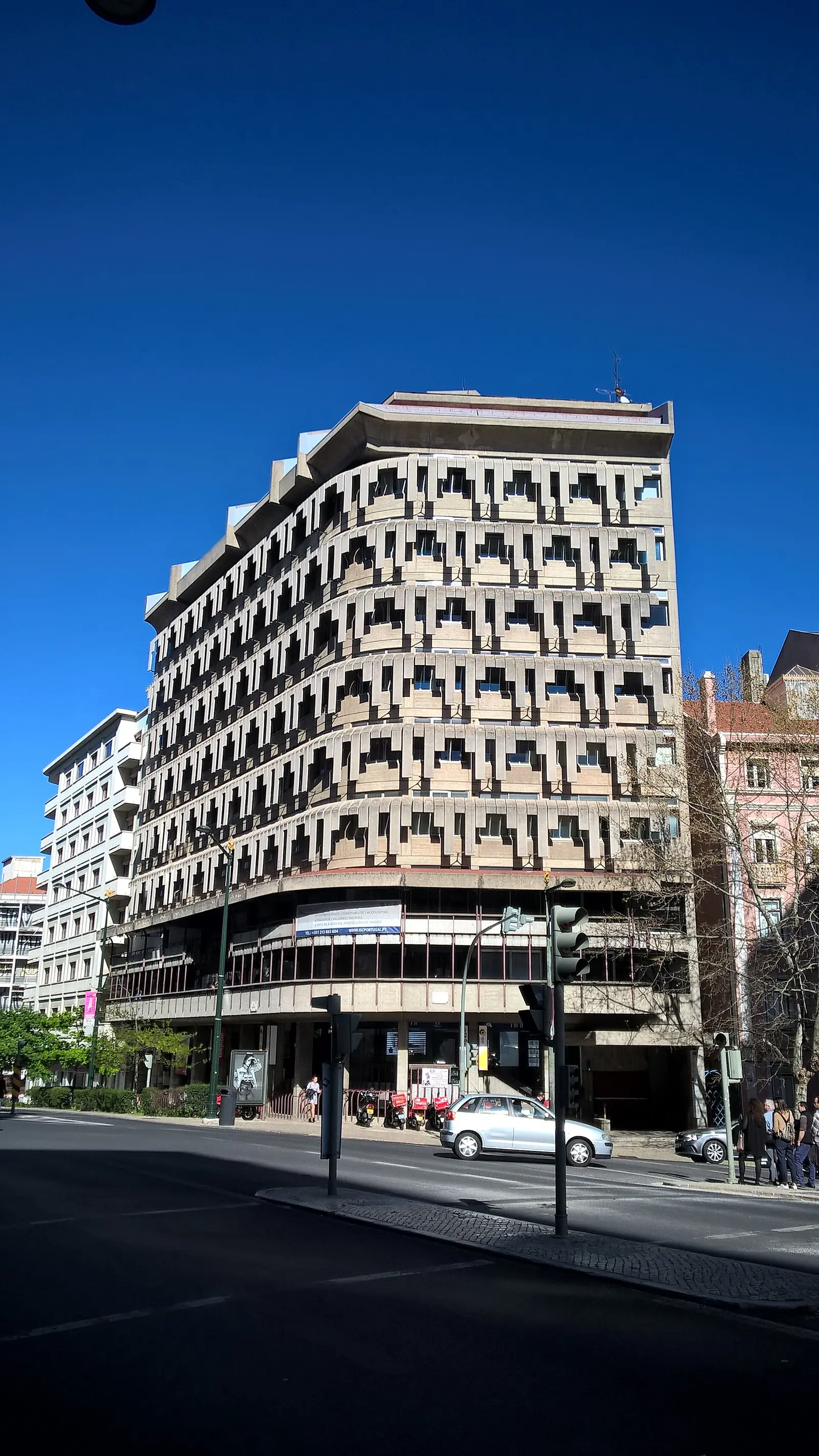
440 m · 5 min on foot
Edifício Franjinhas — the restaurant of the carnations
Today: Edifício Franjinhas
This was the home of the Sir, the restaurant where Celeste Caeiro worked. It turned one year old on 25 April 1974: it did not open, and the carnations bought for the celebration were given to the women on the staff — the carnations that Celeste took down to the Baixa.
RevolutionWomenLabour


JoshuaB.jpg)
Notes on the sources4
- The executions beside the fountain in Largo do Rato, on 9 February 1927, have only been read in Wikipedia; the Aljube Museum speaks of rebels being shot, without saying where.
- The number of dead in Lisbon in February 1927: Wikipedia gives “more than 70” in its summary and “at least 90” in the body of the article.
- Which units rose up in 1931: the Aljube Museum and Wikipedia speak of Light Infantry Regiment No. 7 (Caçadores 7), but the study by the General Secretariat of the Ministry of Finance places Light Infantry Battalion 7, in the Castelo de São Jorge, on the Government side, and gives Machine Guns 1 and Light Artillery 3 as the units taken.
- How many people were taken from the Capela do Rato to the police station: 91 (António de Araújo, from police records) or around 60 (Wikipedia).
Do you know more, or do you have a document? Tell us.
Sources
- 1Revolta de Fevereiro de 1927. Museu do Aljube Resistência e Liberdade (EGEAC) — consulted on 2 October 2026
- 2Revolta de Fevereiro de 1927. Wikipédia — consulted on 2 October 2026
- 31931: O ano de todas as revoltas (Francisco Lopes Melo). Secretaria-Geral do Ministério das Finanças – Arquivo — consulted on 2 October 2026
- 4Revolta de 26 de Agosto de 1931. Wikipédia — consulted on 2 October 2026
- 5Vigília da Capela do Rato. Wikipédia — consulted on 2 October 2026
- 6«A paz é possível»: algumas notas sobre o caso da Capela do Rato (António de Araújo). Lusitania Sacra, 2.ª série, 16 (2004), pp. 431-463 – Universidade Católica Portuguesa — consulted on 2 October 2026
Coordinates: OpenStreetMap (Nominatim), consultado a 2 de outubro de 2026.