
Women of the resistance
Regina Quintanilha
Regina da Glória Pinto de Magalhães Quintanilha de Sousa e Vasconcelos
- Born
- 9 May 1893, Bragança (Santa Maria)
- Died
- 19 March 1967, Lisbon
One of the first women to graduate in law in Portugal, she was the first to practise as a lawyer, at the Boa-Hora Court, on 14 November 1913 — five years before the law opened the profession to women.
She was born in Bragança on 9 May 1893.12 In 1910, aged 17, she entered the Faculty of Law of the University of Coimbra, whose University Council had to meet specially to decide on the admission of a woman student.1 She completed the degree in three years.2
With the authorisation of the President of the Supreme Court of Justice, she made her debut on 14 November 1913 at the Boa-Hora Court, in Lisbon, defending some women defendants. The newspaper A Luta wrote that she “questioned the witnesses” and spoke “with great brilliance”.1 It was only Decree no. 4676, of 19 July 1918, that allowed women law graduates to practise as lawyers and to work as assistant notaries and registrars.1
She was also the country’s first woman court solicitor and its first woman land registrar.12 In the National Council of Portuguese Women, then chaired by Adelaide Cabete, she was president of the General Assembly from 1917 to 1919.2 She practised law in Portugal, Brazil and the United States until 1957, when she suspended her registration with the Bar Association, and she died in Lisbon on 19 March 1967.1
On the walks
Places

In the timeline
They crossed paths with her
Aurora de Castro e Gouveia
1891–1931
Described as the first Portuguese woman notary, with an office in Alcântara, she presented a paper at the First Feminist and Education Congress, in 1924, that demanded full political equality and the right to vote for Portuguese women.
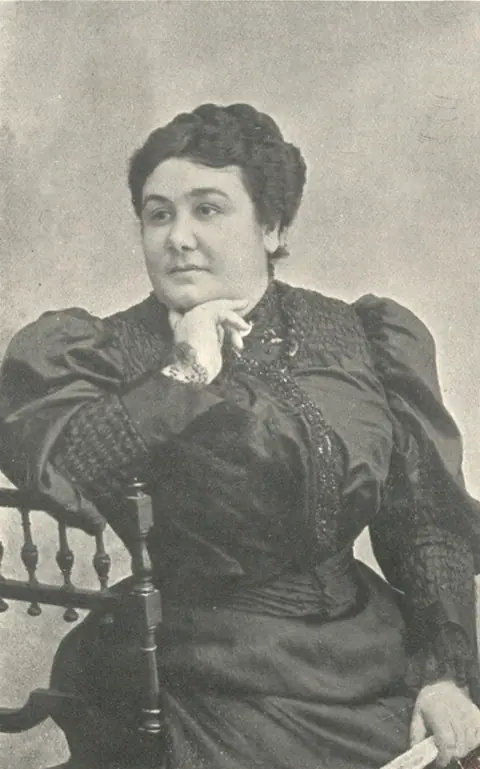
Adelaide Cabete
1867–1935
A republican doctor who only began studying after she married, she founded the National Council of Portuguese Women in 1914, chaired it for more than twenty years and made her practice in Restauradores its headquarters.
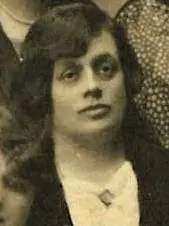
Angélica Viana Porto
1881–1938
A philanthropist and feminist, she was vice-president of the National Council of Portuguese Women in 1928 and presented papers at both Feminist and Education Congresses, on assistance to women offenders and on the moral action of work.
Deolinda Lopes Vieira
1888–1993
A primary school teacher and nursery teacher, she taught at Workshop School No. 1, in Graça, a school of libertarian inspiration; she sat on the organising committee of the First Feminist and Education Congress, in 1924, and on the board of the National Council of Portuguese Women.
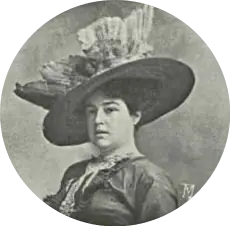
Maria O'Neill
1873–1932
A Lisbon writer and journalist, she was one of the figures of the National Council of Portuguese Women in the 1920s and took the paper “O voto às mulheres” (Votes for women) to the Second Feminist and Education Congress, in 1928.
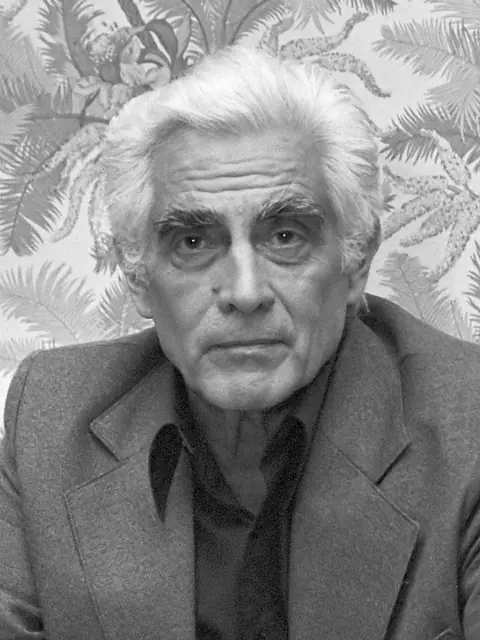
Álvaro Cunhal
1913–2005
A communist leader, he was arrested in 1949 and escaped from Peniche Fortress in 1960. General secretary of the PCP, he returned from exile on 30 April 1974 and addressed the crowd at the airport from the top of a Chaimite armoured car.


Notes on the sources3
- Whether she was the first Portuguese woman notary, as 24 Notícias says, or the second, after Aurora de Castro e Gouveia, as Wikipedia and Toponímia de Lisboa say.
- Whether she was the first woman to graduate in law in Portugal (24 Notícias) or one of the first, with Maria da Ascensão de Sousa Sampaio (Wikipedia).
- The dates of her presidency of the General Assembly of the National Council of Portuguese Women (1917–1919) come only from Wikipedia.
Do you know more, or do you have a document? Tell us.
Sources
- 1Regina foi primeira em muita coisa. Incluindo ser a primeira advogada portuguesa a chegar ao tribunal. 24 Notícias (SAPO) — consulted on 2 October 2026
- 2Regina Quintanilha. Wikipédia (pt) — consulted on 2 October 2026