Repressionprofessor of Economics and Finance at the University of CoimbraMinister of Finance (from 1928)President of the Council of Ministers (head of government, 1932–1968)
Born
28 April 1889, Vimieiro (Santa Comba Dão)
Died
27 July 1970, Lisbon
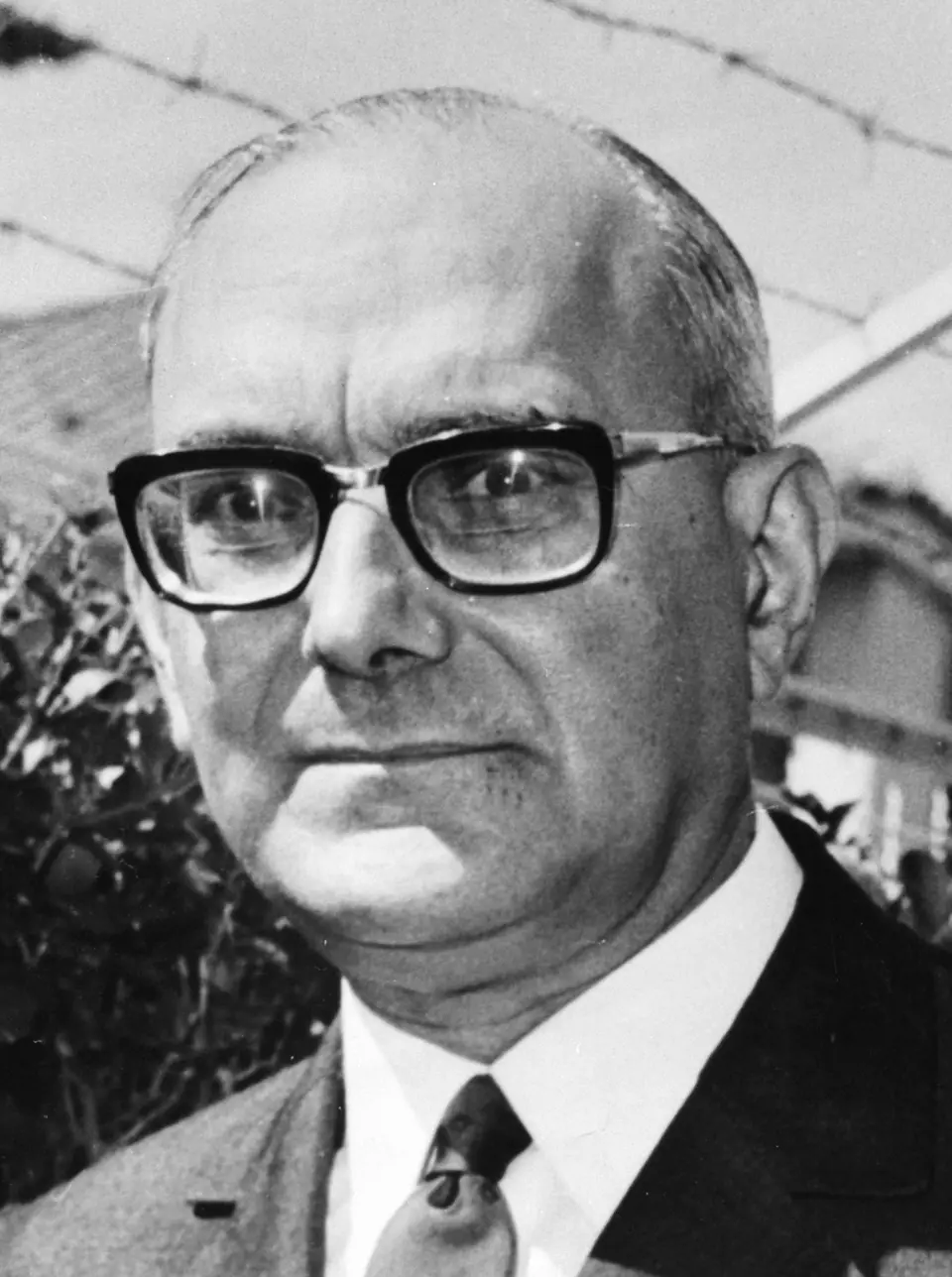
A Coimbra professor called in by the Military Dictatorship to take over the Ministry of Finance in 1928, he headed the Government from 1932 to 1968 and made the Estado Novo (“New State”), instituted by the 1933 Constitution, a dictatorship with power concentrated in the President of the Council.
He was born in 1889 in Vimieiro, in the municipality of Santa Comba Dão.1 A professor of Economics and Finance at the University of Coimbra and a leading figure in the Catholic Centre, he was called in by the Military Dictatorship, which had emerged from the coup of 28 May 1926, to resolve the crisis in the public accounts. He took office as Minister of Finance on 27 April 1928, with a reputation as a “financial wizard”, and in his inaugural speech he stated that he knew very well what he wanted and where he was going.23 As Minister of Finance and, on an interim basis, of the Colonies, in 1930 he had the Colonial Act enacted, which subordinated the interests of the colonies to those of the metropole.4
On 5 July 1932 he became President of the Council, the head of government.2 With a small group of collaborators he devised the 1933 Constitution, which instituted the Estado Novo (“New State”): a regime with no party other than the National Union, with freedom of expression, assembly and association left to “special laws”, and power concentrated in the President of the Council, who answered only to the President of the Republic.5 The political police, censorship and organisations that regimented young people, women and workers sustained the regime and the cult of the leader, which was fed by the propaganda of António Ferro, housed from 1940 in the Palácio Foz.67
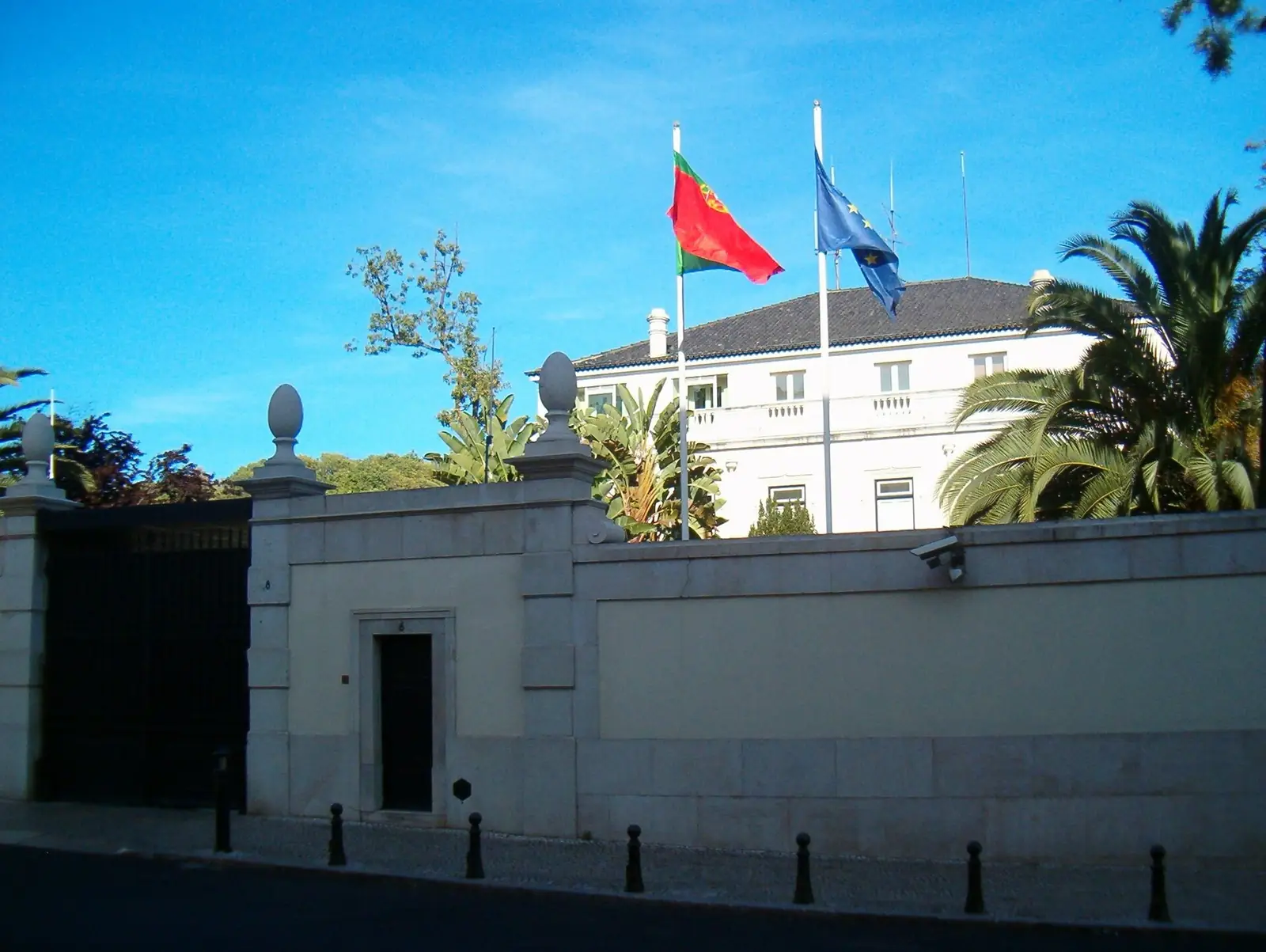
On 4 July 1937 he escaped a bomb attack on Avenida Barbosa du Bocage, on his way to Mass.8 In May 1938 he moved into the Palacete de São Bento, which the State had expropriated as the official residence of the President of the Council and which a monumental staircase linked to Parliament.9
In 1968, a fall from a chair left him unable to govern, and Marcelo Caetanoreplaced him.105 He went on living at São Bento until July 1970 and died in Lisbon on 27 July, aged 81 — “without ever suspecting that he was no longer President of the Council”, wrote the Diário de Notícias.91011
A metalworker and anarcho-syndicalist, he was one of the perpetrators of the bomb attack on Salazar on Avenida Barbosa du Bocage, in 1937. He fled to England, was handed over to the Portuguese police and was not released from prison until 1953.
The last head of government of the Estado Novo, he took refuge in the Carmo Barracks in the early hours of 25 April 1974 and, besieged, handed power over to General Spínola. The next day he was taken to Madeira.
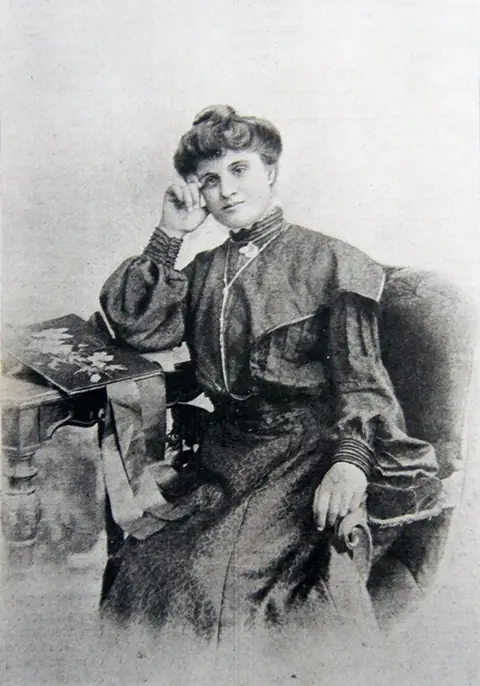
The first woman to attend the University of Coimbra, she graduated in Mathematics, Philosophy and Medicine and was a teacher and headmistress of the first girls’ secondary school (liceu). A monarchist and conservative who supported nascent Salazarism, she was one of the first three women deputies, elected in 1934 on the National Union lists.
A Lisbon lawyer who graduated in Law in 1919, she was one of the first three Portuguese women deputies, elected in 1934 on the National Union lists, under the Estado Novo.
A Mathematics teacher and headmistress of the Liceu Maria Amália Vaz de Carvalho, she was one of the first three women elected as deputies, in 1934, and a central figure in the women’s organisations of the Estado Novo (“New State”).
A naval officer and member of the National Salvation Junta, he headed the Sixth Provisional Government and was held captive in his official residence, at São Bento, during the siege by construction workers in November 1975.
Notes on the sources2
Until when he was Minister of Finance: until 1932, according to the Torre do Tombo National Archive, or until 28 August 1940, according to the title of a book by the National Propaganda Secretariat listed in the same bibliography (“A obra de Salazar na pasta das Finanças: 27 de Abril de 1928 a 28 de Agosto de 1940” — Salazar’s Work at the Ministry of Finance: 27 April 1928 to 28 August 1940).
The day and place of birth come only from Wikidata.
Do you know more, or do you have a document? Tell us.
8Atentado a Salazar. Museu do Aljube Resistência e Liberdade (EGEAC) — consulted on 2 October 2026
9Residência Oficial do Primeiro-Ministro — História. Governo de Portugal — consulted on 3 October 2026Página do sítio do Governo, lida na cópia do Internet Archive de 29 de novembro de 2009; inclui o quadro dos chefes de Governo que residiram no palacete.