People
Luís Cília
- Born
- 1943, Huambo (Angola)
A singer and composer born in Huambo, Angola. He deserted in 1964 and went into exile in Paris, where he sang against the colonial war and composed “Avante Camarada” (Forward, Comrade). He returned on 30 April 1974, with José Mário Branco.
He was born in 1943 in Huambo, Angola, and came to Portugal in 1959. In 1962 he met the poet Daniel Filipe, who encouraged him to set poetry to music.1 In 1964 he deserted and left for Paris, where he recorded Portugal-Angola: Chants de Lutte (Songs of Struggle) and sang at sessions held by emigrant associations, trade unions and parties, and in the shanty towns.1
He composed the soundtrack for the film O Salto (The Leap) and “Avante Camarada” (Forward, Comrade), which the PCP adopted as an anthem;1 it was Luísa Basto who first recorded it, in Moscow.2 In 1967 he was at the Protest Song Festival in Cuba, and in May 1968 he sang for students and workers and in occupied factories, alongside Paco Ibáñez and Colette Magny.1 On 10 November 1970 he sang at the Mutualité, in Paris, at the concert “La Chanson de Combat Portugaise”, amid interruptions from the audience.3
He returned on 30 April 1974: RTP filmed him arriving at the airport, alongside José Mário Branco.41 In 1999 he told RTP that he had travelled on a refugee passport.5 In May he sang at the 1st Free Popular Song Meeting (I Encontro Livre da Canção Popular), in Porto.16 He has devoted himself above all to composing for the theatre, ballet and cinema.1
From the archives
The LP “Resposta” (Answer), by Luís Cília, which the Valentim de Carvalho label dates to 1975 and has published in full on its channel. It came out after the singer returned from exile in France, on 30 April 1974.
Original page Licença padrão do YouTube — embed permitido pelo canal oficial da editora Valentim de Carvalho
Edições Valentim de Carvalho, on YouTube. The player only connects to that site when you press “Watch”.
Luís Cília’s testimony, recorded by the Aljube Museum in January 2024. The biography the museum publishes with it recalls his desertion, his exile in Paris from 1964 and his return to Portugal on 30 April 1974.
Original page Licença padrão do YouTube — embed permitido pelo canal oficial do Museu do Aljube
Museu do Aljube Resistência e Liberdade, on YouTube. The player only connects to that site when you press “Watch”.
In other archives
These can only be viewed on each archive’s own website.
- RTP Arquivos · Audio · 10 November 1970 · 1 h 47 minConcerto «La Chanson de Combat Portugaise»An audio recording of the concert of 10 November 1970 at the Maison de la Mutualité, in Paris, with Sérgio Godinho, José Mário Branco, Tino Flores and Luís Cília, then in exile in France, and José Afonso. Near the end, a far-left group interrupts José Afonso, accusing him of colluding with the regime for not having chosen exile.Open in the archive
- RTP Arquivos · Video · broadcast on 30 April 1974 · 10 minRegresso de José Mário BrancoA Noticiário Nacional (National News) report on the arrival of José Mário Branco and Luís Cília at Portela airport, back from exile in France. José Mário Branco hugs his mother, his wife and his friends, José Afonso talks about 25 April and those present, among them José Jorge Letria and Ary dos Santos, sing “Grândola” in chorus.Open in the archive
- RTP Arquivos · Video · broadcast on 6 May 1974 · 32 min1.º Encontro Livre da Canção Popular no PortoA report from the Pavilhão dos Desportos (Sports Pavilion) in Porto, where José Mário Branco reads the communiqué of the Cultural Action Collective and the singers join José Afonso in “Grândola”. Luís Cília, Fausto, Adriano Correia de Oliveira, Francisco Fanhais, Manuel Freire and José Jorge Letria also sing, and José Afonso sings “Venham Mais Cinco” (Let five more come).Open in the archive
- RTP Arquivos · Video · broadcast on 14 April 1999 · 1 minLuís Cília («Retratos — 25 Nomes, 25 Dias, 25 Anos»)Twenty-five years later, Luís Cília talks about his return from exile and about having travelled on a refugee passport. The piece uses RTP archive footage of the singer on “Canto Livre” (Free Singing) and at Portela airport.Open in the archive
Places

In the timeline
They crossed paths with him
José Mário Branco
1942–2019
A singer, composer and producer. Arrested by the PIDE in 1962, he deserted from the colonial war and spent eleven years in exile in France, where he produced José Afonso’s “Cantigas do Maio” (Songs of May). He returned on 30 April 1974 and was welcomed at the airport with “Grândola”.
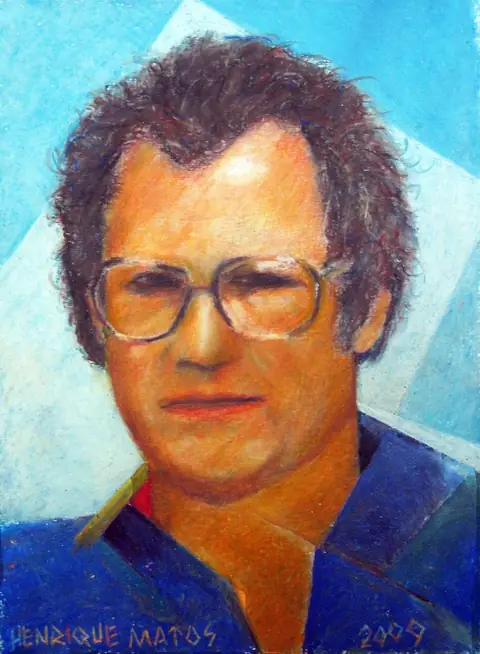
José Afonso (Zeca Afonso)
1929–1987
A protest singer, persecuted by the censors and imprisoned by the PIDE/DGS in 1973. His “Grândola, Vila Morena” (Grândola, swarthy town), sung in chorus at the Coliseu in March 1974, was a month later the second signal of 25 April.
Adriano Correia de Oliveira
1942–1982
A singer of the Coimbra generation that made song a weapon against the Estado Novo (“New State”). His “Trova do Vento que Passa” (Ballad of the Passing Wind), with a poem by Manuel Alegre, became a student and anti-fascist anthem. He was at the Coliseu in March 1974 and at the airport to welcome the exiles.
Francisco Fanhais
b. 1941
A priest and singer. At the São Domingos vigil, as 1968 turned into 1969, he sang Sophia de Mello Breyner’s “Cantata da Paz” (Cantata of Peace). Barred from being a priest, from teaching and from singing in public, he left for France in 1971 and took part in the recording of “Cantigas do Maio” (Songs of May).
Sérgio Godinho
b. 1945
A poet, composer, singer and actor. He left Portugal at the age of 20 so as not to go to the colonial war, and lived in exile in Geneva, Paris, Amsterdam, Brazil and Vancouver. His first record, “Os Sobreviventes” (The Survivors), recorded in France, was banned by the censors.
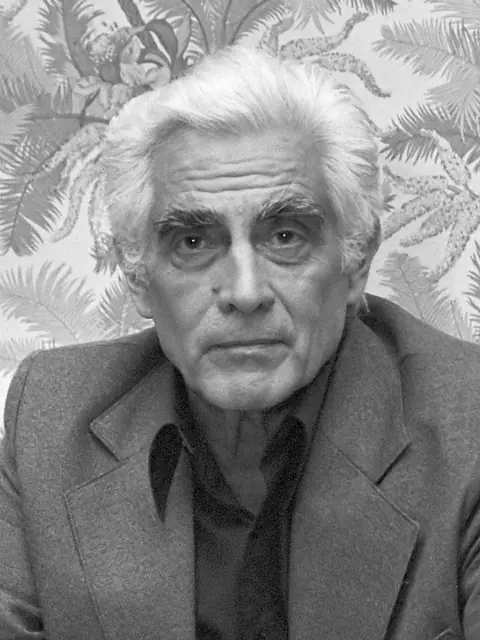
Álvaro Cunhal
1913–2005
A communist leader, he was arrested in 1949 and escaped from Peniche Fortress in 1960. General secretary of the PCP, he returned from exile on 30 April 1974 and addressed the crowd at the airport from the top of a Chaimite armoured car.


Notes on the sources1
- Whether Luís Cília and José Mário Branco came on the same plane as Álvaro Cunhal, on 30 April 1974: the RTP report does not say.
Do you know more, or do you have a document? Tell us.
Sources
- 1Luís Cília — biografia e testemunho (Memórias na Resistência, recolhido em janeiro de 2024). Museu do Aljube Resistência e Liberdade (EGEAC) — consulted on 3 October 2026
- 2Mariana Duarte, Entrevista com Luísa Basto: «Os meus pais ouviam-me cantar nas rádios clandestinas e não sabiam que era eu». Fonoteca Municipal do Porto (Câmara Municipal do Porto), 2021 — consulted on 3 October 2026
- 3Concerto «La Chanson de Combat Portugaise» (Paris, 10 de novembro de 1970). RTP Arquivos (Antena 1) — consulted on 3 October 2026
- 4Regresso de José Mário Branco (Noticiário Nacional, 30 de abril de 1974). RTP Arquivos — consulted on 3 October 2026
- 5Luís Cília («Retratos — 25 Nomes, 25 Dias, 25 Anos», 1999). RTP Arquivos — consulted on 3 October 2026
- 61.º Encontro Livre da Canção Popular no Porto (Informação Diária, 6 de maio de 1974). RTP Arquivos — consulted on 3 October 2026