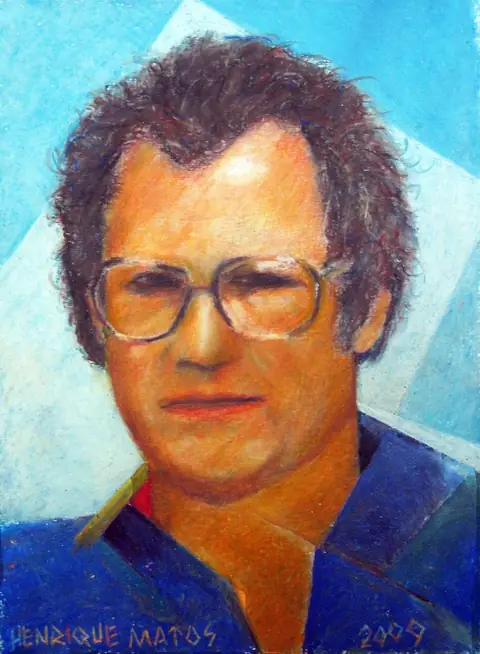
Culture and censorshipsinger and composerperformer of “Trova do Vento que Passa”PCP activist
Born
9 April 1942, Porto
Died
16 October 1982, Avintes
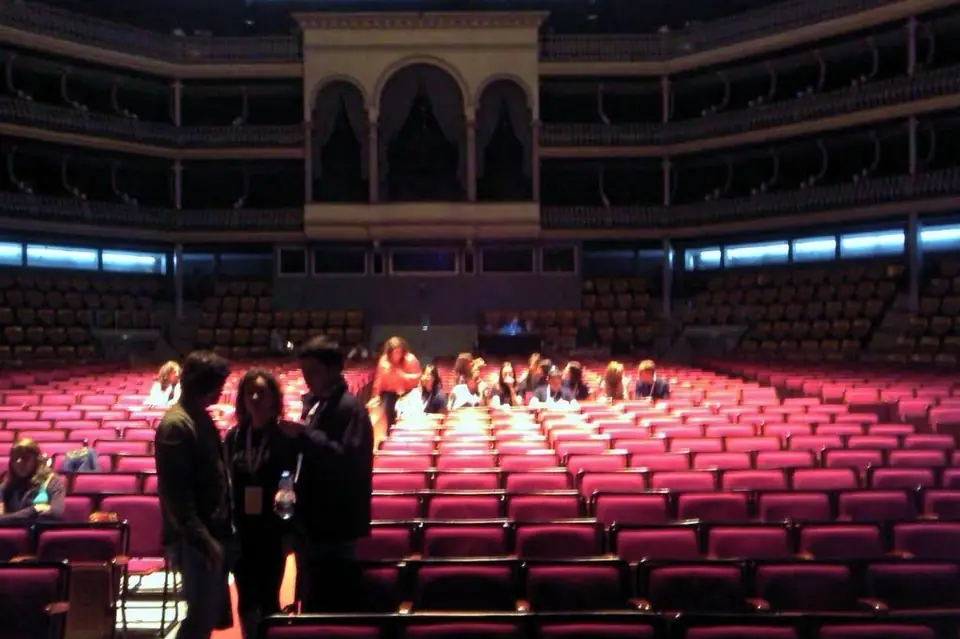
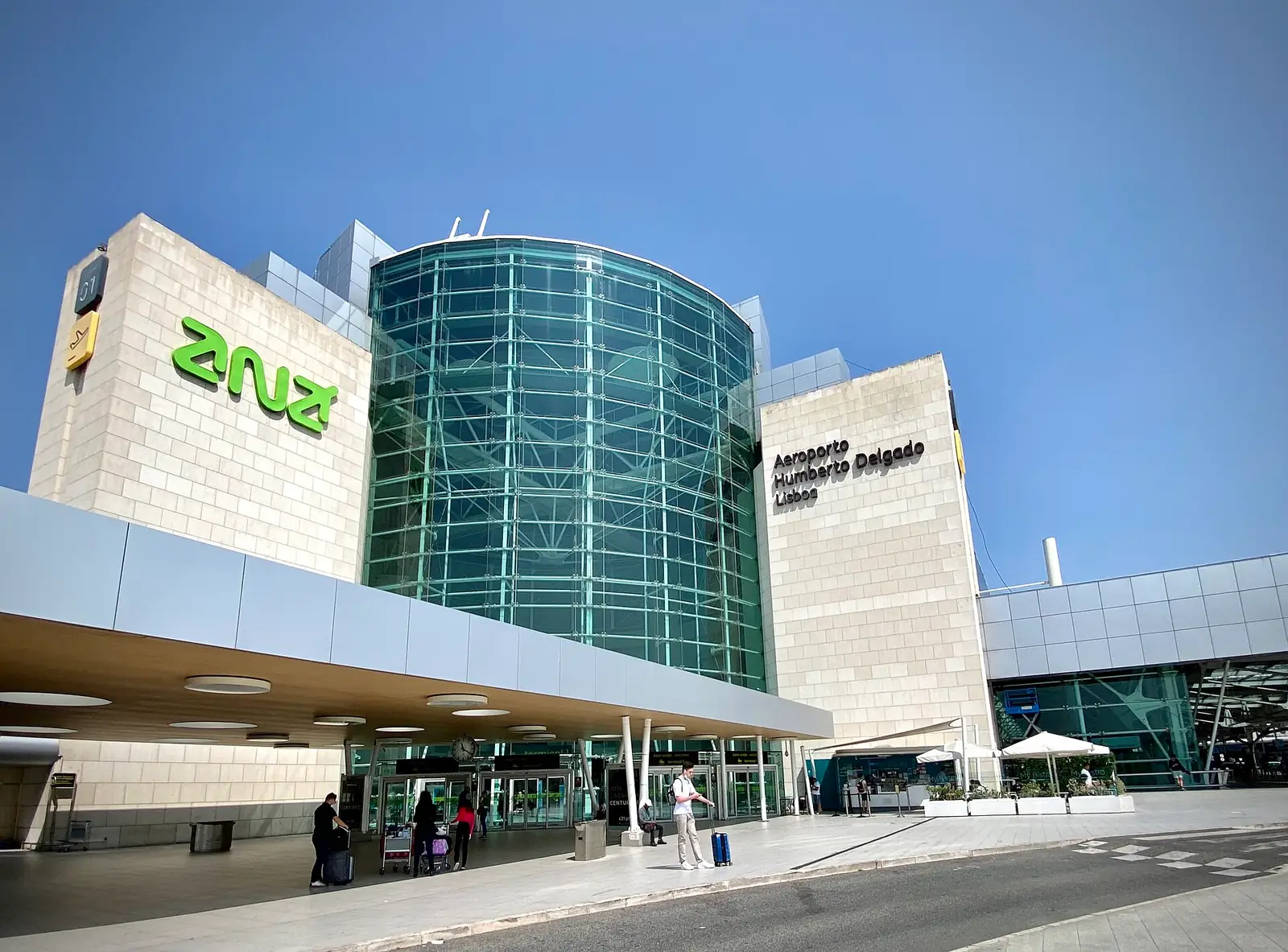
A singer of the Coimbra generation that made song a weapon against the Estado Novo (“New State”). His “Trova do Vento que Passa” (Ballad of the Passing Wind), with a poem by Manuel Alegre, became a student and anti-fascist anthem. He was at the Coliseu in March 1974 and at the airport to welcome the exiles.
He was born in Porto on 9 April 1942 and grew up in Avintes, Vila Nova de Gaia. In 1959 he enrolled in Law at Coimbra, where he sang in the Orfeão Académico (Academic Choir), did theatre with the CITAC and, with José Afonso and António Portugal, renewed the Coimbra song (canção de Coimbra).1
He premiered “Trova do Vento que Passa” (Ballad of the Passing Wind), a poem by Manuel Alegre set to music by António Portugal, at a party to welcome the freshers of the Lisbon Faculty of Medicine: the audience made him sing it again, and the students went out singing it in the street.12 Recorded on disc in 1963, it became an anthem of the student and anti-fascist movement.1 A PCP activist since 1960, he refused to submit new songs to the Censorship Commission: Que Nunca Mais (Never Again), ready before 25 April, only came out in 1975.1
He died in Avintes on 16 October 1982, aged 40.16 In 1983 he was posthumously made a Commander of the Order of Liberty; since 2009 he has had a street in Lisbon, in the Avenidas Novas.1
From the archives
A Lisbon City Council report on the streets in Entrecampos named after Adriano Correia de Oliveira, Mário Cesariny and Francisco Lyon de Castro, where murals were also painted. Adriano’s street, in the Avenidas Novas, had been named by an edict of 2009.
Original page Licença padrão do YouTube — embed permitido pelo canal oficial da Câmara Municipal de Lisboa
Câmara Municipal de Lisboa, on YouTube. The player only connects to that site when you press “Watch”.
In other archives
These can only be viewed on each archive’s own website.
A protest singer, persecuted by the censors and imprisoned by the PIDE/DGS in 1973. His “Grândola, Vila Morena” (Grândola, swarthy town), sung in chorus at the Coliseu in March 1974, was a month later the second signal of 25 April.
A singer, composer and producer. Arrested by the PIDE in 1962, he deserted from the colonial war and spent eleven years in exile in France, where he produced José Afonso’s “Cantigas do Maio” (Songs of May). He returned on 30 April 1974 and was welcomed at the airport with “Grândola”.
A priest and singer. At the São Domingos vigil, as 1968 turned into 1969, he sang Sophia de Mello Breyner’s “Cantata da Paz” (Cantata of Peace). Barred from being a priest, from teaching and from singing in public, he left for France in 1971 and took part in the recording of “Cantigas do Maio” (Songs of May).
A singer and composer born in Huambo, Angola. He deserted in 1964 and went into exile in Paris, where he sang against the colonial war and composed “Avante Camarada” (Forward, Comrade). He returned on 30 April 1974, with José Mário Branco.
A singer from the Alentejo. She went underground with her parents at the age of 12 and studied singing in Moscow; her voice reached Portugal through the clandestine radio stations. She was the first to record “Avante Camarada” (Forward, Comrade) and, once freedom had come, “É Para Ti Mulher Esta Canção” (This Song Is for You, Woman), the anthem of the Democratic Women’s Movement.
A singer and songwriter from the Azores. She formed a duo with Carlos Alberto Moniz, wrote and sang “Trevo de Maio” (May Clover) and, in March 1974, was on the stage of the Coliseu singing “Grândola” with José Afonso at the 1st Portuguese Song Meeting (I Encontro da Canção Portuguesa).
Notes on the sources2
The day of his death, 16 October 1982, comes from Wikipedia and from the date of the RTP news item on the twentieth anniversary of his death; Lisbon City Council says only “in 1982”.
The year of “Trova do Vento que Passa”: Lisbon City Council says it came out on record in 1963; the “Diário de Notícias” dates the song to 1964.
Do you know more, or do you have a document? Tell us.