Women of the resistance
Maria do Amparo
A singer and songwriter from the Azores. She formed a duo with Carlos Alberto Moniz, wrote and sang “Trevo de Maio” (May Clover) and, in March 1974, was on the stage of the Coliseu singing “Grândola” with José Afonso at the 1st Portuguese Song Meeting (I Encontro da Canção Portuguesa).
An Azorean, like Carlos Alberto Moniz, she formed a duo with him in music and in life from the early 1970s to the early 1980s.1 She appeared on the programme Zip-Zip and in 1973 joined him in the group Improviso, which competed in the Grande Prémio TV da Canção (TV Song Grand Prix) with “Cantiga” (Song).2 “Trevo de Maio” (May Clover), which she wrote with Carlos Alberto Moniz and sang solo, won the last edition of the Figueira da Foz festival; the poem is about looking ahead, with hope.2
In March 1974, at the 1st Portuguese Song Meeting (I Encontro da Canção Portuguesa), she was on the stage of the Coliseu when five thousand people rose to their feet to sing “Grândola” with José Afonso, according to the caption in the next day’s Diário de Lisboa.3 In July 1975 RTP broadcast the duo’s music video of “Companheiro Vasco” (Comrade Vasco).4 She later withdrew from artistic life, by choice, without giving up music.5
From the archives
In other archives
These can only be viewed on each archive’s own website.
- RTP Arquivos · Video · broadcast on 8 July 1975 · 3 minCanção «Companheiro Vasco»The music video of the song “Companheiro Vasco” (Comrade Vasco), by Carlos Alberto Moniz and Maria do Amparo, broadcast on the Noticiário Nacional (National News) in July 1975. The images are photographs of Vasco Gonçalves and of political actions.Open in the archive
- RTP Arquivos · Video · broadcast on 23 January 2017 · 4 minCarlos Alberto Moniz e Maria do Amparo («Gramofone»)RTP Memória’s “Gramofone” recalls the Azorean duo that Carlos Alberto Moniz and Maria do Amparo formed, in music and in life, between the early 1970s and the early 1980s. It shows the music video of “Eu Deixei a Minha Terra” (I Left My Land), from 1979.Open in the archive
Places

In the timeline
They crossed paths with her
Adriano Correia de Oliveira
1942–1982
A singer of the Coimbra generation that made song a weapon against the Estado Novo (“New State”). His “Trova do Vento que Passa” (Ballad of the Passing Wind), with a poem by Manuel Alegre, became a student and anti-fascist anthem. He was at the Coliseu in March 1974 and at the airport to welcome the exiles.
Francisco Fanhais
b. 1941
A priest and singer. At the São Domingos vigil, as 1968 turned into 1969, he sang Sophia de Mello Breyner’s “Cantata da Paz” (Cantata of Peace). Barred from being a priest, from teaching and from singing in public, he left for France in 1971 and took part in the recording of “Cantigas do Maio” (Songs of May).
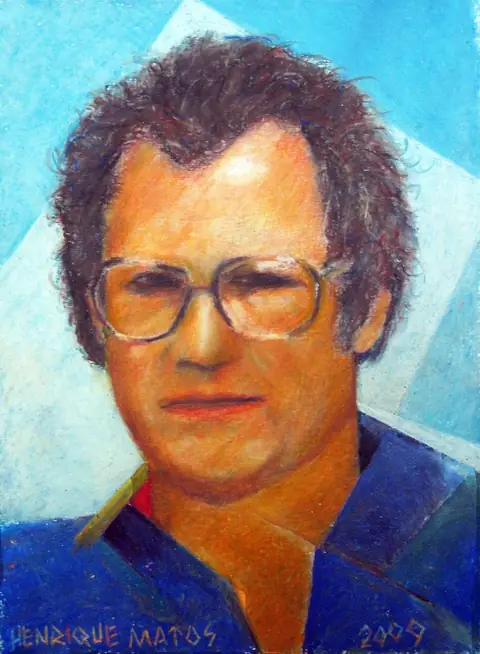
José Afonso (Zeca Afonso)
1929–1987
A protest singer, persecuted by the censors and imprisoned by the PIDE/DGS in 1973. His “Grândola, Vila Morena” (Grândola, swarthy town), sung in chorus at the Coliseu in March 1974, was a month later the second signal of 25 April.
José Mário Branco
1942–2019
A singer, composer and producer. Arrested by the PIDE in 1962, he deserted from the colonial war and spent eleven years in exile in France, where he produced José Afonso’s “Cantigas do Maio” (Songs of May). He returned on 30 April 1974 and was welcomed at the airport with “Grândola”.
Luísa Basto
b. 1947
A singer from the Alentejo. She went underground with her parents at the age of 12 and studied singing in Moscow; her voice reached Portugal through the clandestine radio stations. She was the first to record “Avante Camarada” (Forward, Comrade) and, once freedom had come, “É Para Ti Mulher Esta Canção” (This Song Is for You, Woman), the anthem of the Democratic Women’s Movement.
Sérgio Godinho
b. 1945
A poet, composer, singer and actor. He left Portugal at the age of 20 so as not to go to the colonial war, and lived in exile in Geneva, Paris, Amsterdam, Brazil and Vancouver. His first record, “Os Sobreviventes” (The Survivors), recorded in France, was banned by the censors.

Notes on the sources2
- Maria do Amparo’s full name and the dates of her life: the sources read do not give them.
- The year in which “Trevo de Maio” won the Figueira da Foz festival (the record is from 1973).
Do you know more, or do you have a document? Tell us.
Sources
- 1João Carlos Callixto, Carlos Alberto Moniz e Maria do Amparo («Gramofone», 2017). RTP Arquivos (RTP Memória) — consulted on 3 October 2026
- 2Jorge Mangorrinha, #44 «Trevo de Maio» (Maria do Amparo – Carlos Alberto Moniz), Carlos Alberto Moniz & Maria do Amparo, 1973 — série «50 canções a chamar Abril». Diário de Notícias, 2024 — consulted on 3 October 2026
- 3Pedro Tadeu, «Fascistas! Fascistas!» gritaram cinco mil pessoas no Coliseu, no mês antes de Abril. Mensagem de Lisboa, 2024 — consulted on 3 October 2026
- 4Canção «Companheiro Vasco» (Noticiário Nacional, julho de 1975). RTP Arquivos — consulted on 3 October 2026
- 5Maria do Amparo («Há Conversa», 2011). RTP Arquivos (RTP Memória) — consulted on 3 October 2026