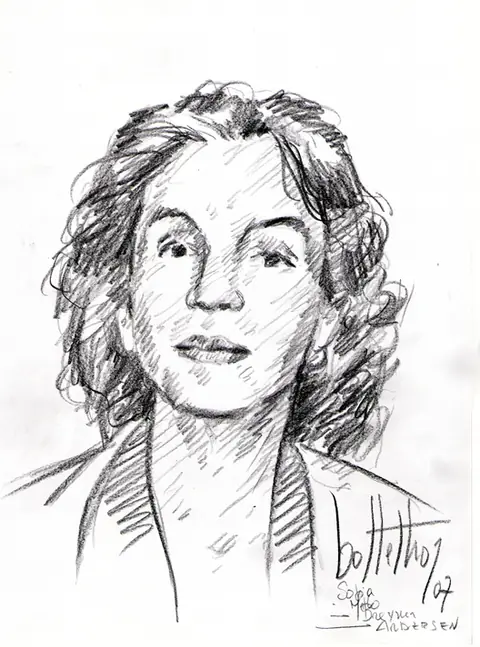
Culture and censorshipPortuguese-Angolan writerMPLA activistpolitical prisoner at Tarrafal (1964–1972)SPE Grand Prize for Fiction (1965)
Born
4 May 1935, Lagoa do Furadouro, Ourém
A Portuguese-Angolan writer, the author of “Luuanda”. The prize that the Portuguese Society of Writers gave him in 1965, while he was imprisoned at Tarrafal, led the PIDE to question the jury and detain three of the jurors, and the regime to wreck the SPE’s headquarters and dissolve it.
He was born in Ourém on 4 May 1935 and grew up in Luanda. Arrested by the PIDE in 1959, he was arrested again in 1961, by then an MPLA activist, and was sentenced to 14 years in prison. In 1964 he was transferred to the Tarrafal concentration camp, in Cape Verde, where he spent eight years.1 He was one of the African authors published in Lisbon by the House of the Students of the Empire.4
Luuanda, from 1963, depicts life in the musseques (shanty towns) of Luanda, mixing Portuguese with Kimbundu. In May 1965, the Portuguese Society of Writers awarded it the Grand Prize for Fiction.2 The jury — Fernanda Botelho, Alexandre Pinheiro Torres, Augusto Abelaira, João Gaspar Simões and Manuel da Fonseca — was accused of “treason against the fatherland”. All of them were questioned by the PIDE, and Pinheiro Torres, Abelaira and Manuel da Fonseca were detained.32 On the night of 21 May, PIDE agents and legionnaires raided and wrecked the SPE’s headquarters, and the government dissolved the society.231
He was released on parole in 1972 and went to live in Lisbon, under surveillance, working with the publisher Sá da Costa until 25 April. He returned to Angola in 1975. In 2006 he turned down the Camões Prize.1
From the archives
In other archives
These can only be viewed on each archive’s own website.
A novelist, she was the only woman on the jury of the Portuguese Society of Writers that gave a prize to “Luuanda”, by Luandino Vieira, in 1965 — the prize that led to the dissolution of the society and the imprisonment of three of the jurors.
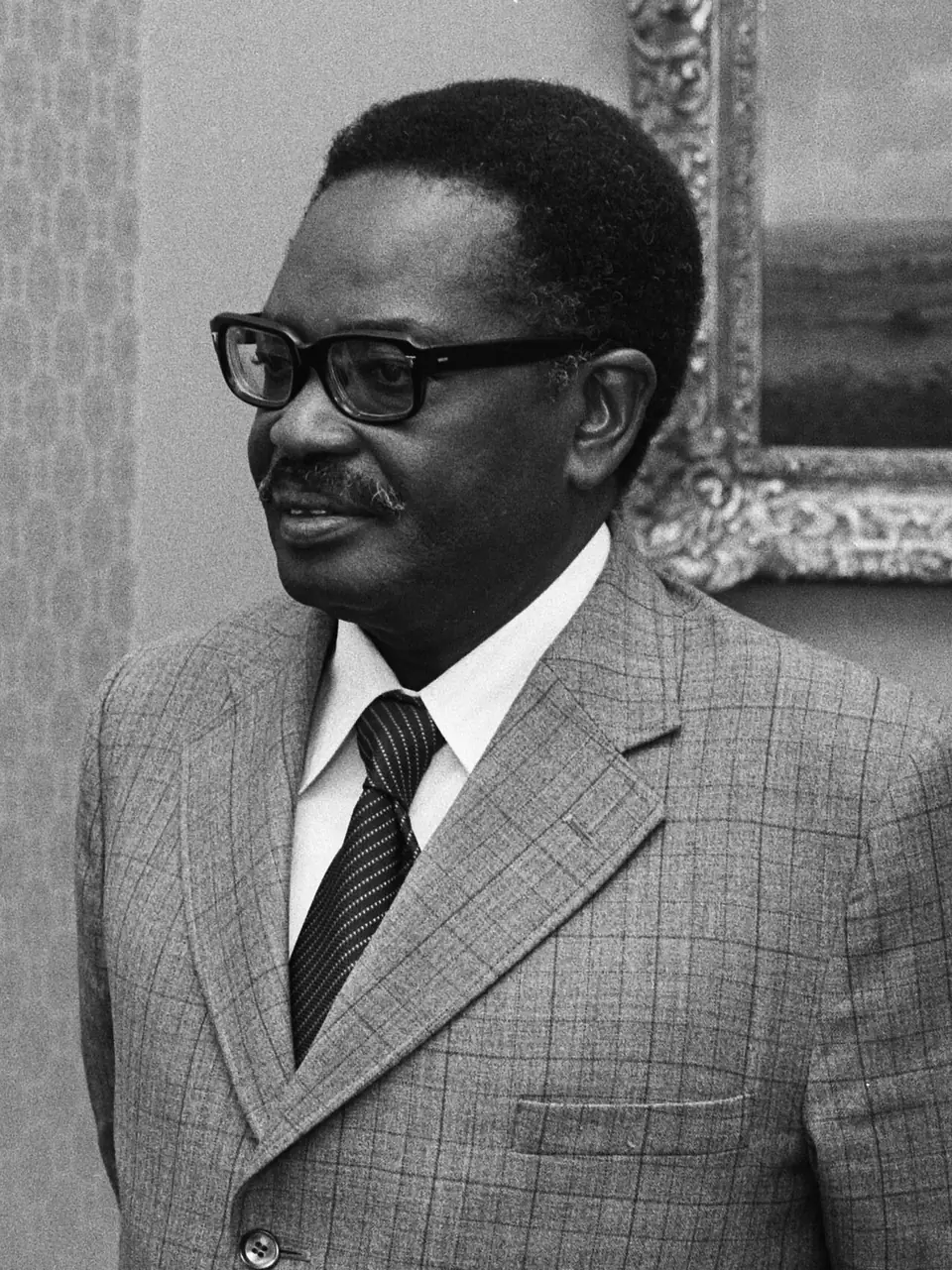
A medical student in Lisbon from 1948, he was active in the House of the Students of the Empire, the MUD Juvenil and the Centre for African Studies. Arrested several times by the PIDE in Lisbon, he was the first president of independent Angola.
A poet from São Tomé whose Lisbon home, on Rua Actor Vale, housed the Centre for African Studies from 1951. Arrested in 1965 and imprisoned in Caxias, she later wrote the words of the anthem of São Tomé and Príncipe.
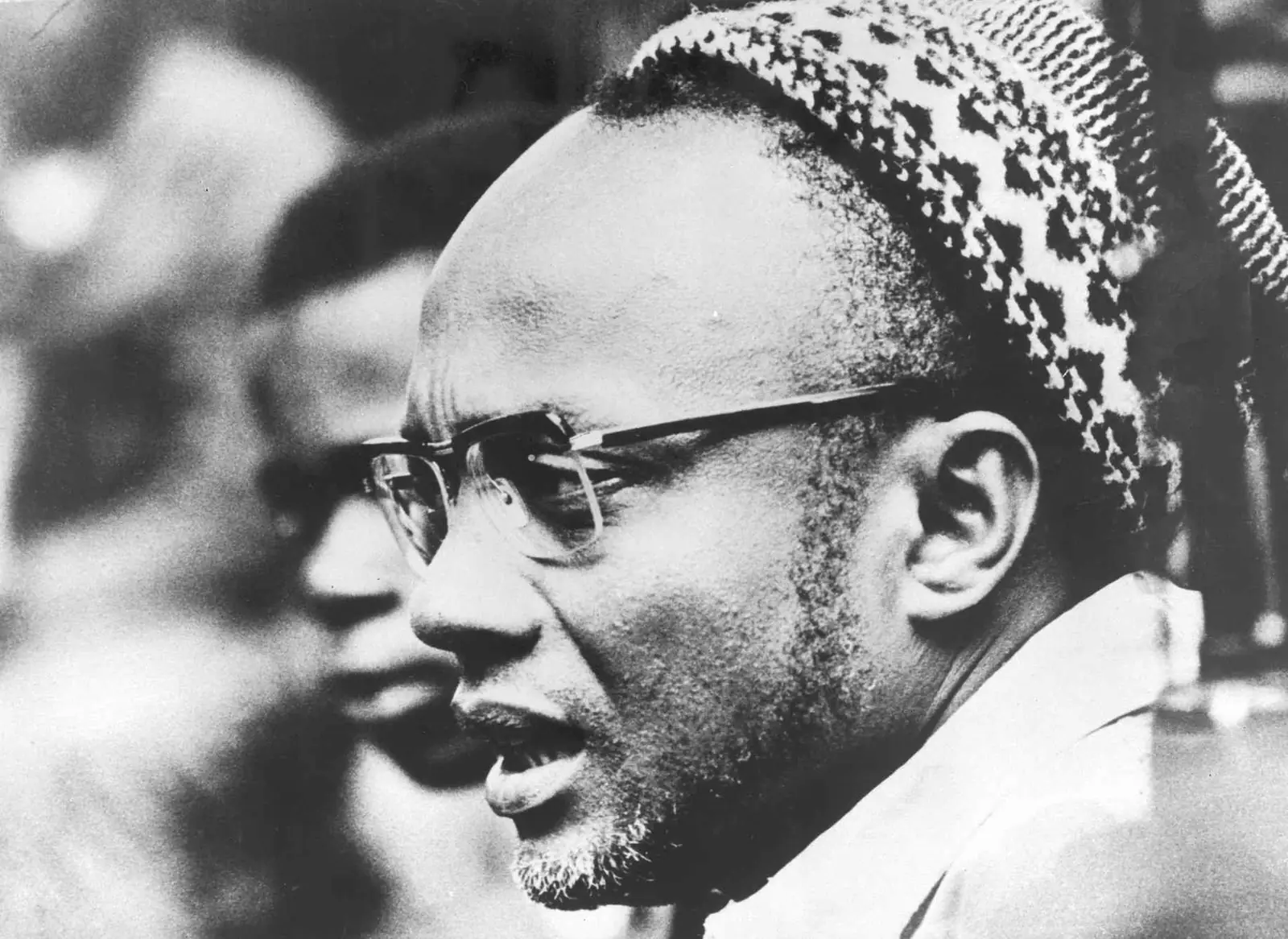
An agronomy student in Lisbon from 1945, he met Agostinho Neto, Mário Pinto de Andrade and Marcelino dos Santos at the House of the Students of the Empire, and was one of the leaders of the Centre for African Studies. He founded the PAIGC and was assassinated in Conakry in 1973.
A Mozambican poet, she lived in Lisbon from 1951 to 1964, published in the House of the Students of the Empire’s “Mensagem” and attended the Centre for African Studies, until her opposition to the Estado Novo (“New State”) forced her into exile in Paris.
A poet. She lived in Graça from 1951 until her death, wrote the “Cantata da Paz” (Cantata of Peace) for the São Domingos vigil, helped found the committee for aid to political prisoners and was a deputy in the Constituent Assembly. “This is the dawn I was waiting for” (Esta é a madrugada que eu esperava) is hers.
Notes on the sources1
The day the SPE decided on the prize: 21 May 1965, according to the Wikipedia article on Luandino; the article on the SPE cites reports in the “Diário de Lisboa” and “República” of 19 May on the awarding of the prizes.
Do you know more, or do you have a document? Tell us.