A welder from Póvoa de Santa Iria, arrested after the strikes against the 1958 electoral fraud, he died falling from the third floor of the PIDE headquarters on 31 July that year. The wife of the Brazilian ambassador saw the fall and reported it to Cardinal Cerejeira.
He was born in Vialonga, in the municipality of Vila Franca de Xira, on 9 March 1914. A welder and communist activist, he lived on the Companhia Industrial Portuguesa housing estate in Póvoa de Santa Iria. The PIDE arrested him on 16 July 1958, accused of “subversive activities”, after the strike and demonstrations by the company’s workers against the fraud in the presidential election of 8 June, in which Humberto Delgado had stood.1
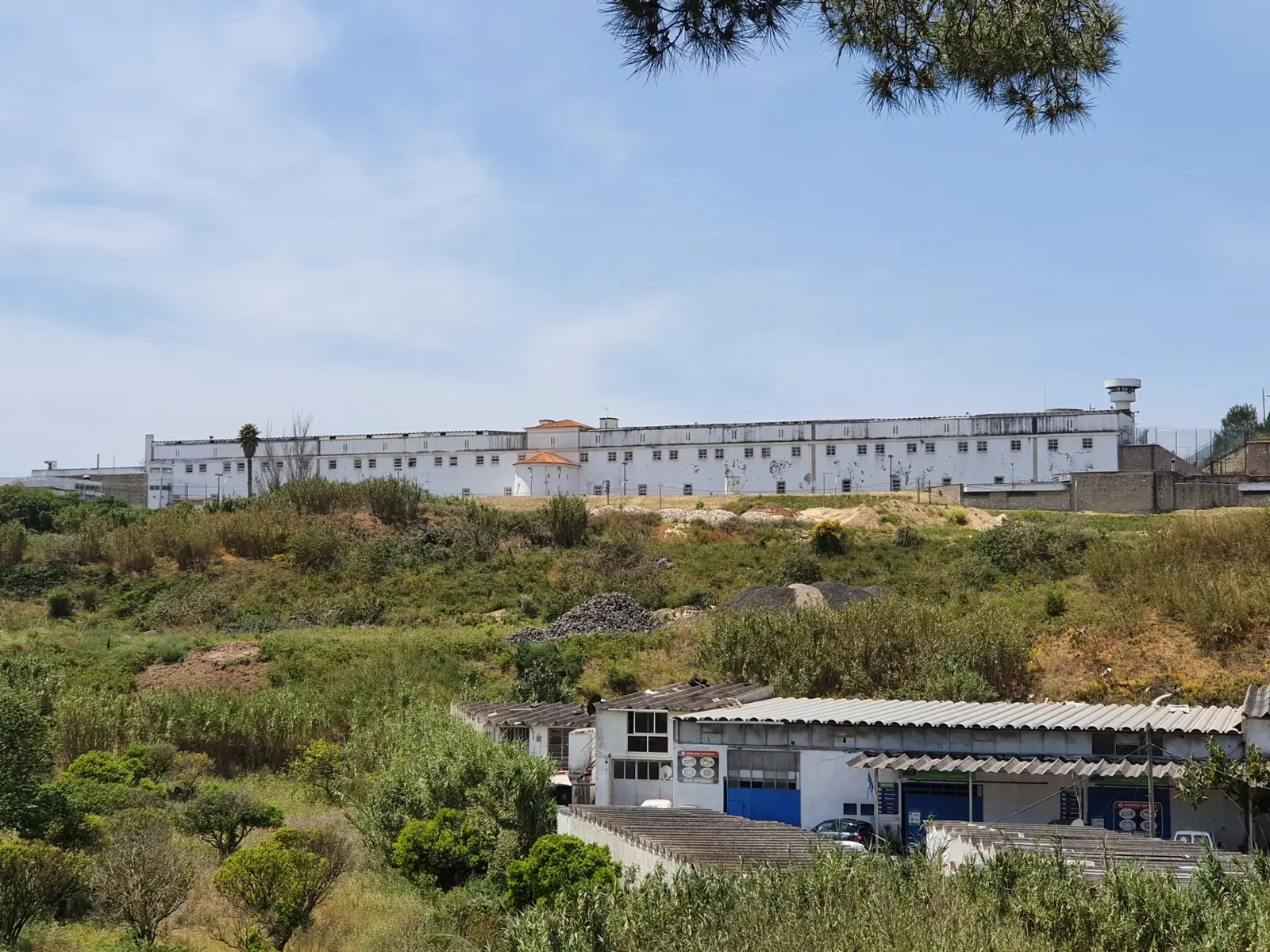
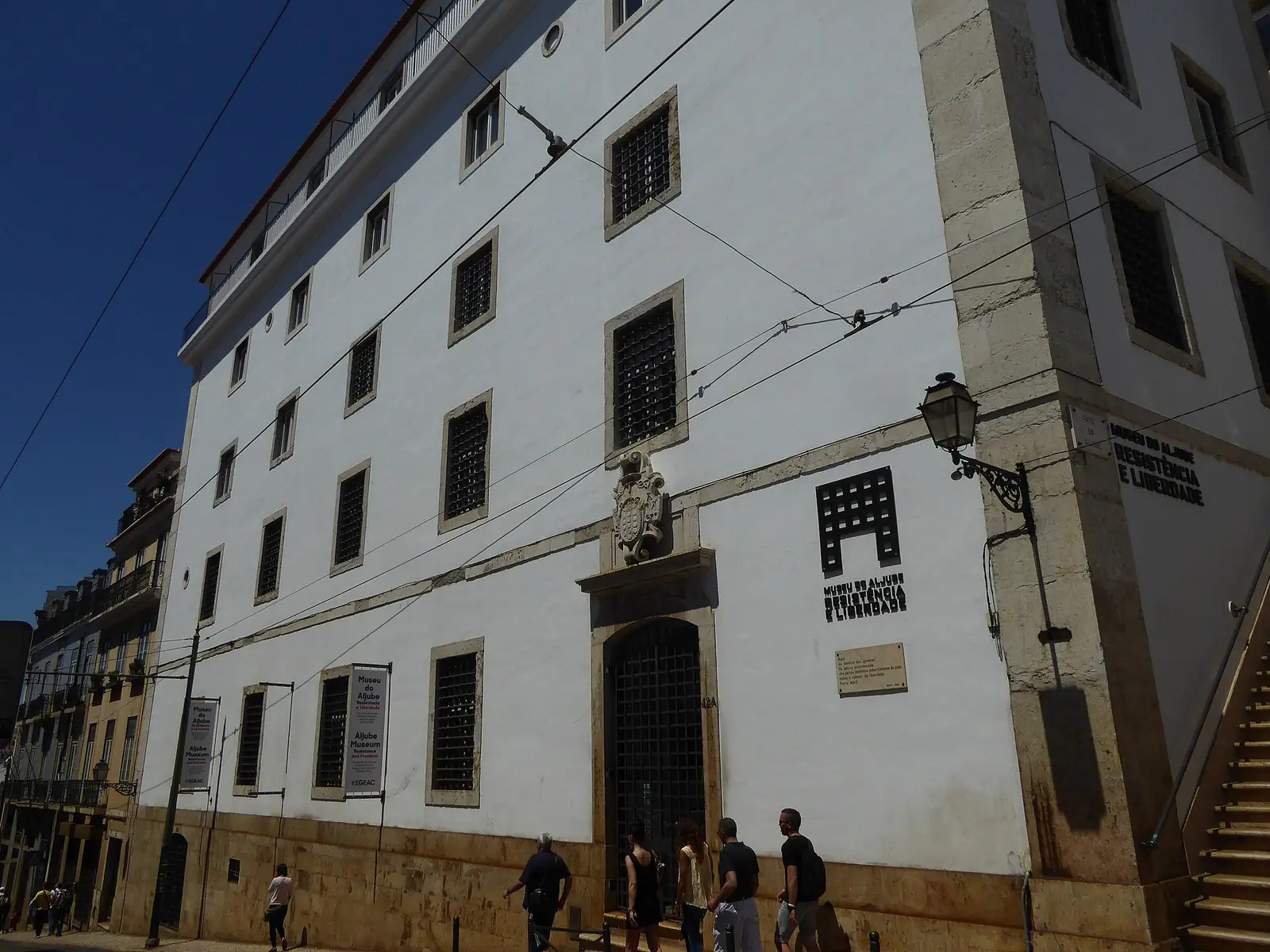
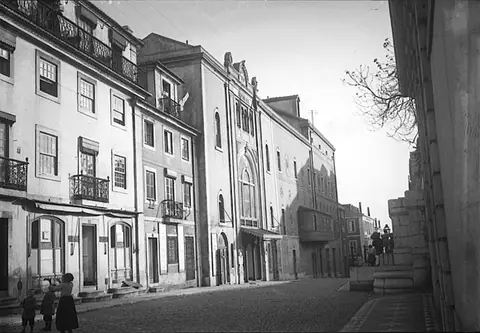
He was taken to the Prisoners’ Depot at Caxias and, a week later, on 27 July, transferred to Aljube Prison. It was from the Aljube that prisoners were taken to interrogation, and often to torture, on the third floor of the PIDE headquarters, on Rua António Maria Cardoso.1
On 31 July 1958 he fell from a window on that third floor and died, aged 44. Memória Comum, which includes him among “those who fell along the way”, writes that he was “thrown”.12 Several people reportedly saw a man hanging outside the window, screaming, before he fell. Among them was the wife of the Brazilian ambassador, Heloísa Ramos Lins, whose residence overlooked the back of the building.13 She told what she had seen to the Cardinal Patriarch, Manuel Gonçalves Cerejeira, who wrote to the Minister of the Interior asking that the police should not use “methods that humanity and the Gospel condemn”. Two weeks later, the ministry’s reply came: “It is merely an unimportant communist”.1
A communist activist arrested in 1965 and in 1968, she suffered at the PIDE headquarters some of the cruellest and most humiliating torture methods used on a woman, and never talked. Decades later, she spoke about it publicly to denounce the political police.
A communist leader, he was one of the eight prisoners who escaped from Caxias in Salazar’s armoured car, in 1961. Arrested in 1959 and again in 1965, he withstood PIDE torture without talking.
A student leader in the 1962 academic crisis, she was arrested in 1967 and suffered long isolation, beatings and sleep torture in Caxias. She later led the Não Apaguem a Memória (Do Not Erase Memory) movement.
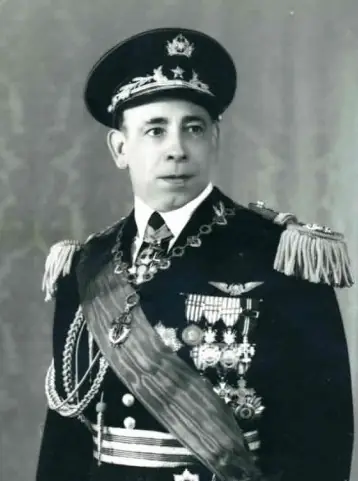
The “Fearless General” (general sem medo): a man of the regime who went over to the opposition, he stood for the Presidency in 1958, answered “Obviously, I’ll sack him!” (Obviamente, demito-o!) when asked what he would do with Salazar, and drew crowds. The PIDE murdered him in 1965.
A law student and MRPP activist, she was arrested by the PIDE on 22 October 1973, interrogated at the headquarters on Rua António Maria Cardoso and tortured in Caxias. By then a public prosecutor, she went back to the door of the building in 2005 to ask for it to be preserved.
One of the first members of the Portuguese Women’s Association for Peace, she helped Jewish refugees during the war. Arrested and tortured by the PIDE in 1962, she went into exile in Algeria and was, in Algiers, the first female voice of Rádio Voz da Liberdade (Voice of Freedom Radio).
Notes on the sources1
The date of death: 31 July 1958, according to Memória Comum; 1 August 1957, according to the Commemorative Commission for the 50th Anniversary of 25 April.
Do you know more, or do you have a document? Tell us.
Sources
1Raul Alves. Memória Comum – Memorial aos Presos e Perseguidos Políticos — consulted on 2 October 2026