
Women of the resistance
Alice Pestana
Alice Evelina Pestana Coelho
- Born
- 7 April 1860, Santarém
- Died
- 24 December 1929, Madrid
An educationalist and writer, she championed women’s education as a condition for a more democratic society. In 1888, commissioned by the government, she studied women’s secondary education abroad; she chaired the Portuguese Peace League.
She was born in Santarém in 1860. A writer and educationalist, she signed her work as Caiel, Eduardo Caiel, Cil and Célia Elevani, and devoted herself above all to women’s education, which she saw as a condition for a more democratic and just society.1 In 1888 the government commissioned her to visit France, Switzerland and England to study women’s secondary education. Among her works, O Que Deve Ser a Instrução Secundária da Mulher (What Women’s Secondary Education Should Be) stands out.1
She was a co-founder of the Altruist Society, which gave rise to the Portuguese Peace League, and she chaired the League.12 She later lived in Spain, linked to the Institución Libre de Enseñanza, and died in Madrid in 1929.12 Since 1988 a street in Bairro de Caselas, in Lisbon, has borne her name.1
Places
They crossed paths with her
Aurora de Castro e Gouveia
1891–1931
Described as the first Portuguese woman notary, with an office in Alcântara, she presented a paper at the First Feminist and Education Congress, in 1924, that demanded full political equality and the right to vote for Portuguese women.
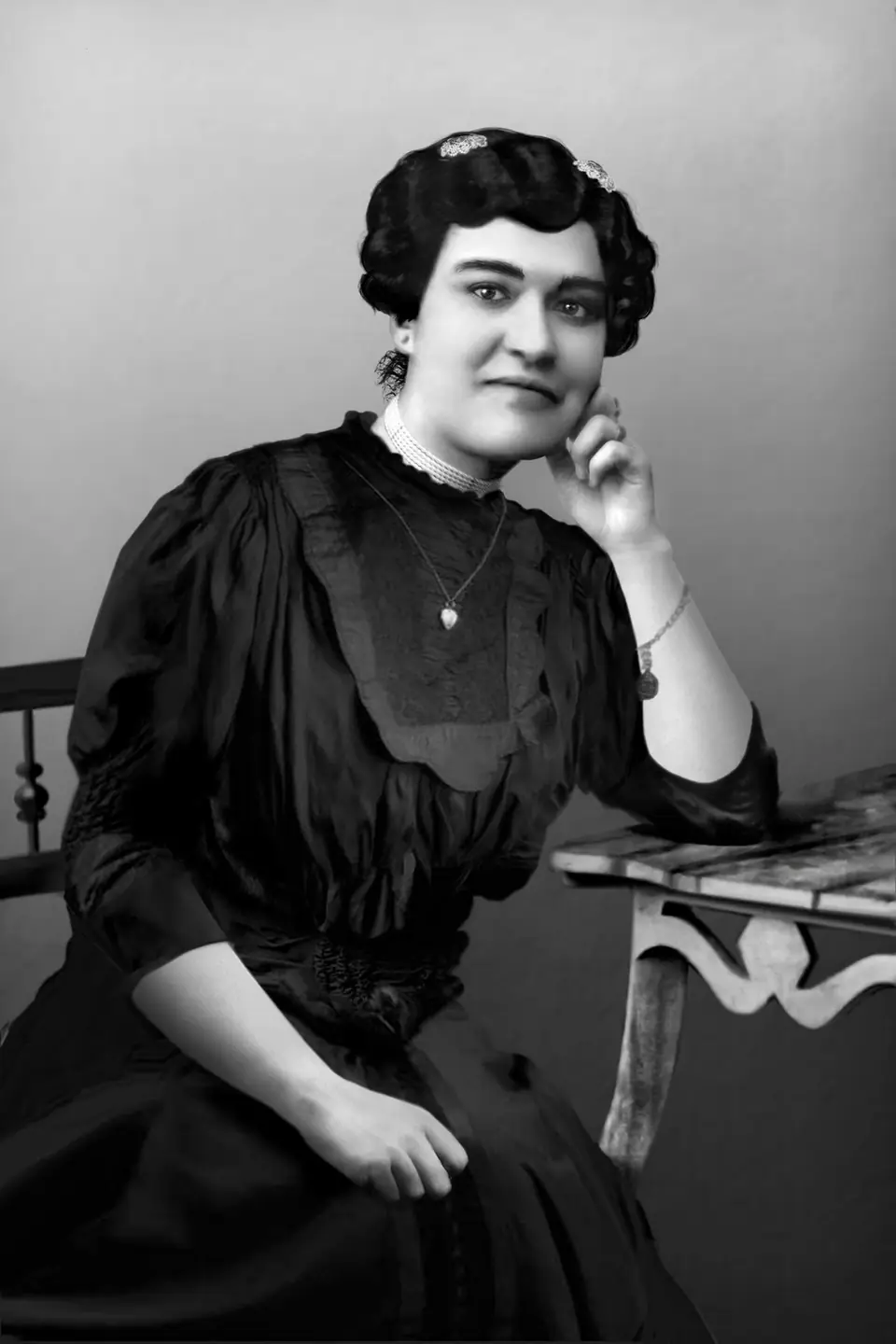
Carolina Beatriz Ângelo
1878–1911
A doctor, the first Portuguese woman surgeon and a suffragist. A widow and “head of household”, she won in court the right to be registered as a voter and, on 28 May 1911, at the Clube Estefânia, became the first woman to vote in Portugal.
Olga Morais Sarmento
1881–1948
A writer and lecturer, she edited the magazine “Sociedade Futura” (Future Society) after Ana de Castro Osório. In 1906 she founded and chaired the Feminist Section of the Portuguese Peace League and spoke on the “Feminist Problem” at the Lisbon Geographical Society.
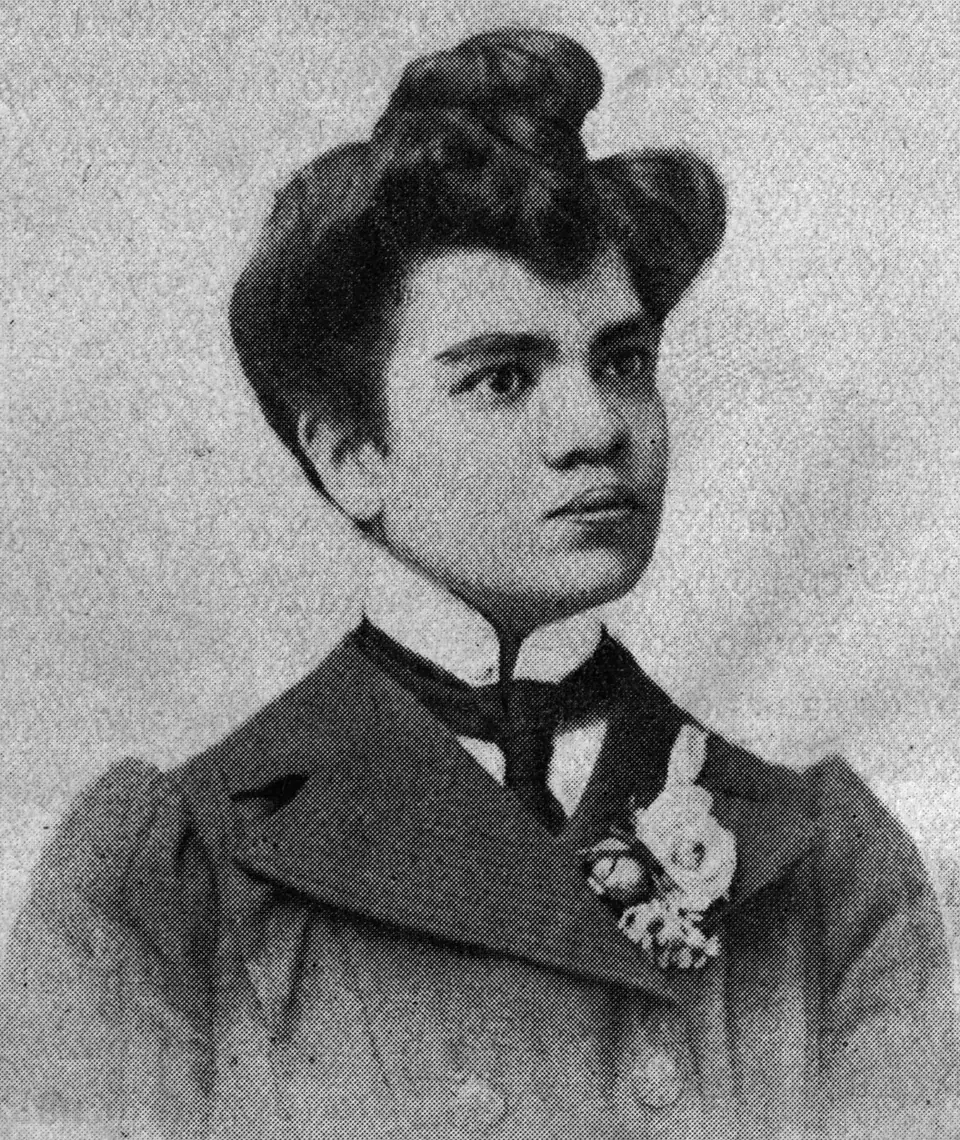
Virgínia Quaresma
1882–1973
Considered the first Portuguese professional woman journalist, she worked for “O Século” and “A Capital”, campaigned for divorce and for the vote, and opened the way for other women journalists, such as Maria Lamas.


.jpg)
Notes on the sources4
- The year the Altruist Society gave way to the Portuguese Peace League: 1889 (Toponímia de Lisboa) or 1899 (Wikipedia).
- Whether she co-founded the Altruist Society (Toponímia de Lisboa) or joined it after José Pessanha had set it up (Wikipedia).
- Whether the Portuguese Peace League was the first Portuguese feminist organisation, as Wikipedia says; Toponímia de Lisboa does not say so.
- The places in Lisbon connected with her life and work: the sources give no addresses.
Do you know more, or do you have a document? Tell us.
Sources
- 1Numa Rua de Caselas, Alice Pestana da causa da educação das mulheres. Toponímia de Lisboa (Câmara Municipal de Lisboa) — consulted on 2 October 2026
- 2Alice Pestana. Wikipédia (pt) — consulted on 2 October 2026