Streets of the women pioneers in Bairro de Caselas
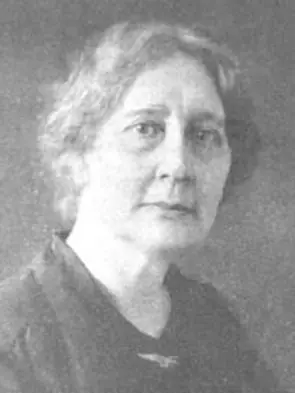
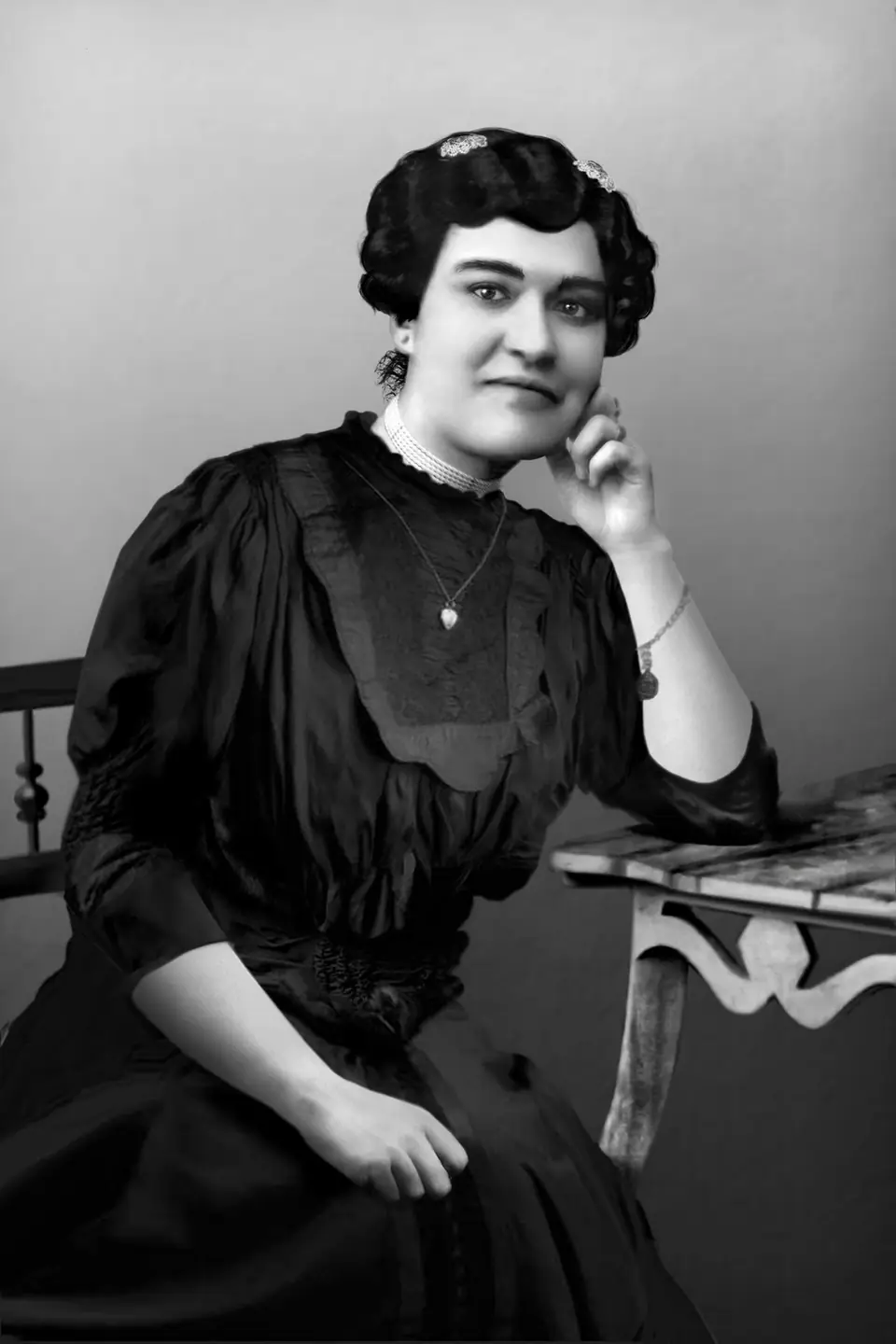
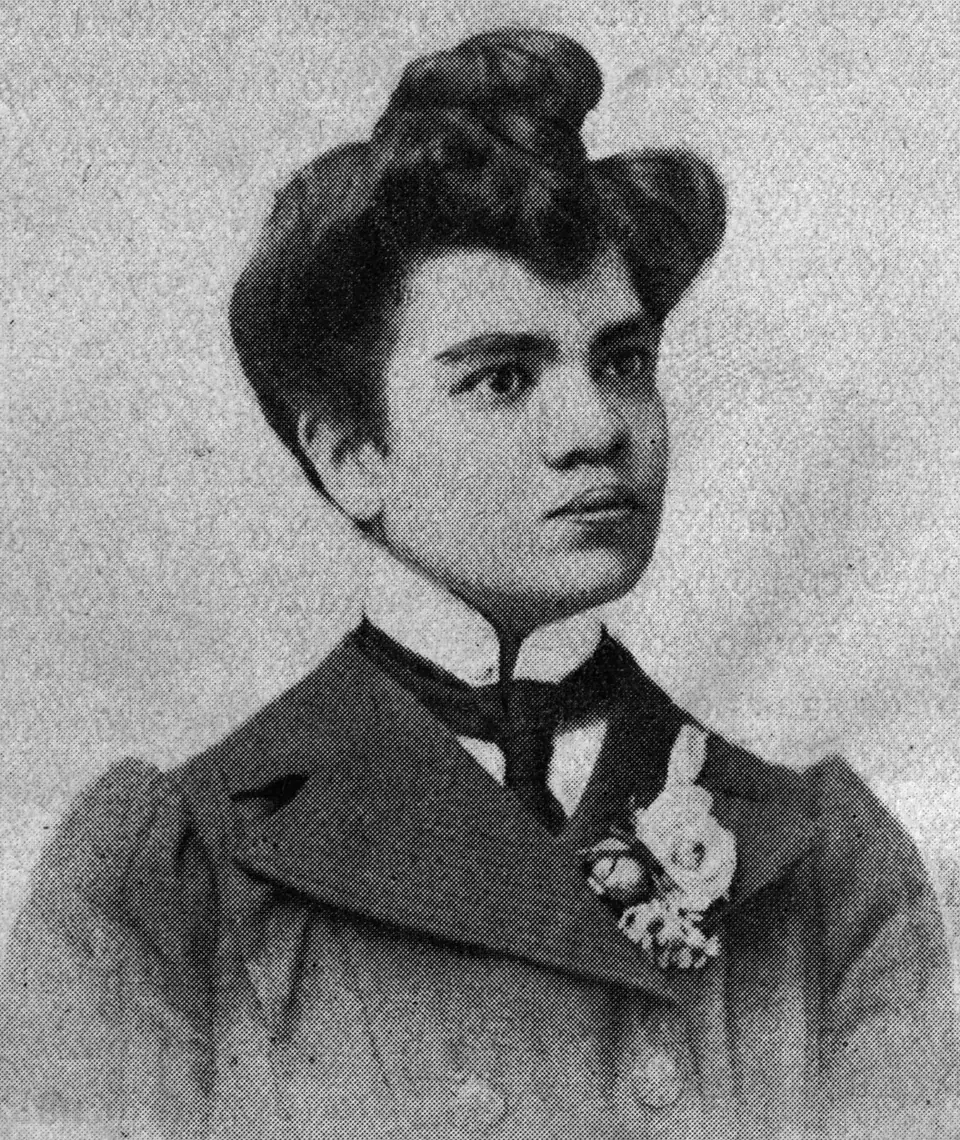
In 1988, the numbered streets of Bairro de Caselas were given names, many of them those of women pioneers: Carolina Ângelo, the first woman to vote; Virgínia Quaresma, the first woman journalist; Aurora de Castro, the first woman notary; the writers Alice Pestana and Olga Morais Sarmento; the painter Sara Afonso.
Today: Rua Carolina Ângelo, Rua Virgínia Quaresma, Rua Aurora de Castro, Rua Alice Pestana, Rua Olga Morais Sarmento and othersThere is a marker at the siteApproximate location
Since 1950, the streets of Bairro de Caselas had had only numbers. At the request of the São Francisco Xavier Parish Council, the edict of 20 April 1988 gave them names.1 The Municipal Street Names Committee recalled that Caselas was a very old settlement and that the Diário de Notícias, through the pen of its editor Augusto de Castro, had already called for a tribute to the illustrious figures who were born or lived there, and proposed adding to the local figures “some leading names in the Arts and Letters”.4
Rua 1 went, 77 years after her death, to Carolina Beatriz Ângelo, who in 1911, at the Clube Estefânia, became the first woman to vote in Portugal.1 Rua 2 went to Leonor Pimentel, “the republican woman of Naples”; Rua 3 to Alice Pestana, a teacher and writer who championed women’s education in Portugal and in Spain.4 Rua 4 went to Virgínia Quaresma, the first woman to work as a journalist in Portugal, who wrote for A Capital.2
Rua 6, with the caption “Writer on public affairs/20th century” (Publicista/Séc. XX), went to Aurora de Castro, the first Portuguese woman notary, who at the First Feminist and Education Congress, in 1924, demanded full political equality and the right to vote for women.3 Rua 7 went to the writer Olga Morais Sarmento; and the street until then known as Rua da Cooperativa de Caselas, to the painter Sara Afonso.4 Sara Afonso was the first woman to take part in one of the gatherings at the café A Brasileira, in the Chiado.5
On 25 April 1974 the command post of the forces loyal to the regime was set up in the Lanceiros 2 barracks, on Calçada da Ajuda, until the soldiers themselves sided with the Movement. On 25 November 1975, the Commandos attacked the Military Police Regiment here: three people were killed.
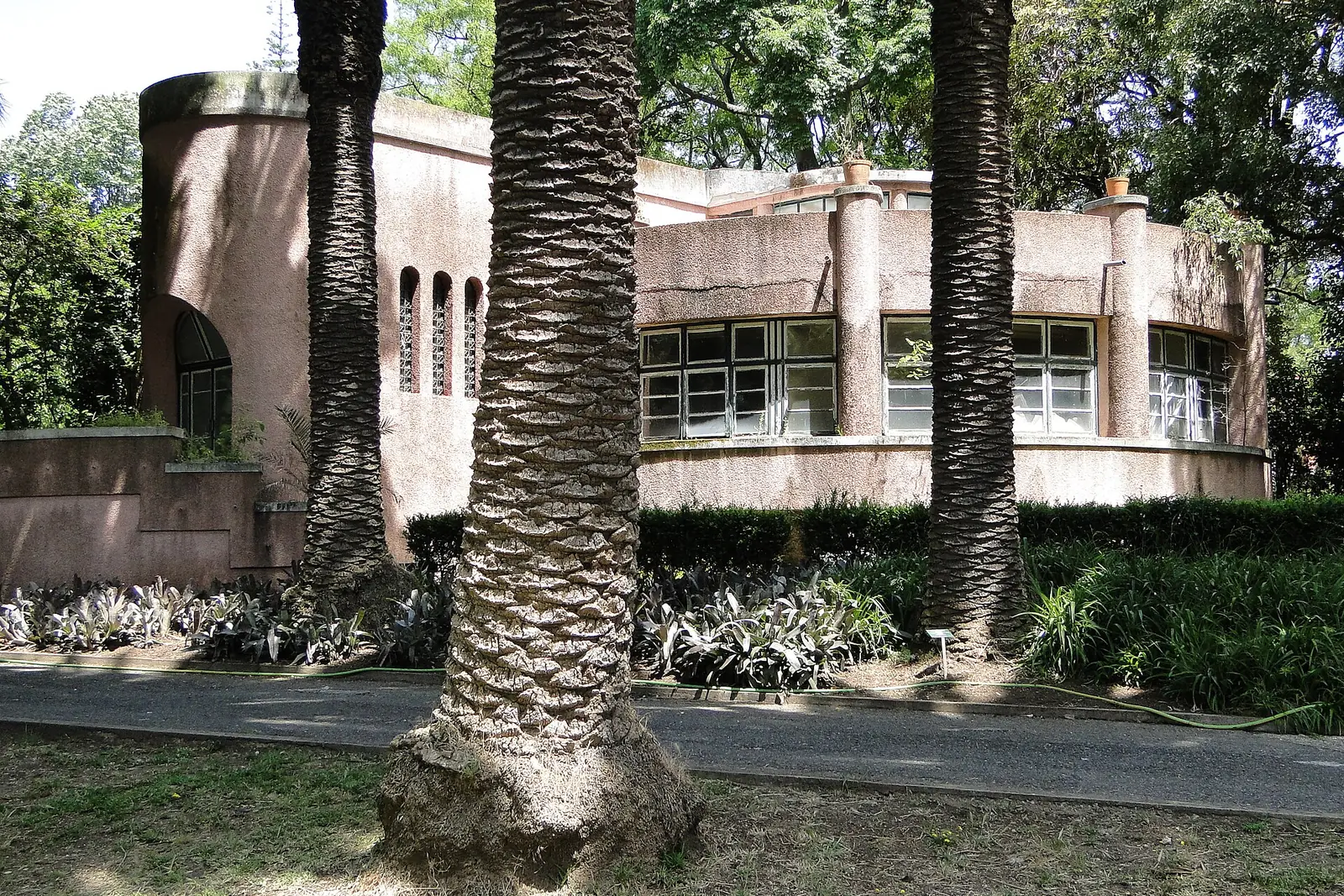
Today: Jardim Botânico Tropical — Museu Nacional de História Natural e da Ciência (Universidade de Lisboa)
Criado em 1906 como Jardim Colonial, recebeu em 1940 a Secção Colonial da Exposição do Mundo Português: 138 homens, mulheres e crianças trazidos das colónias foram aqui expostos ao público durante meses.
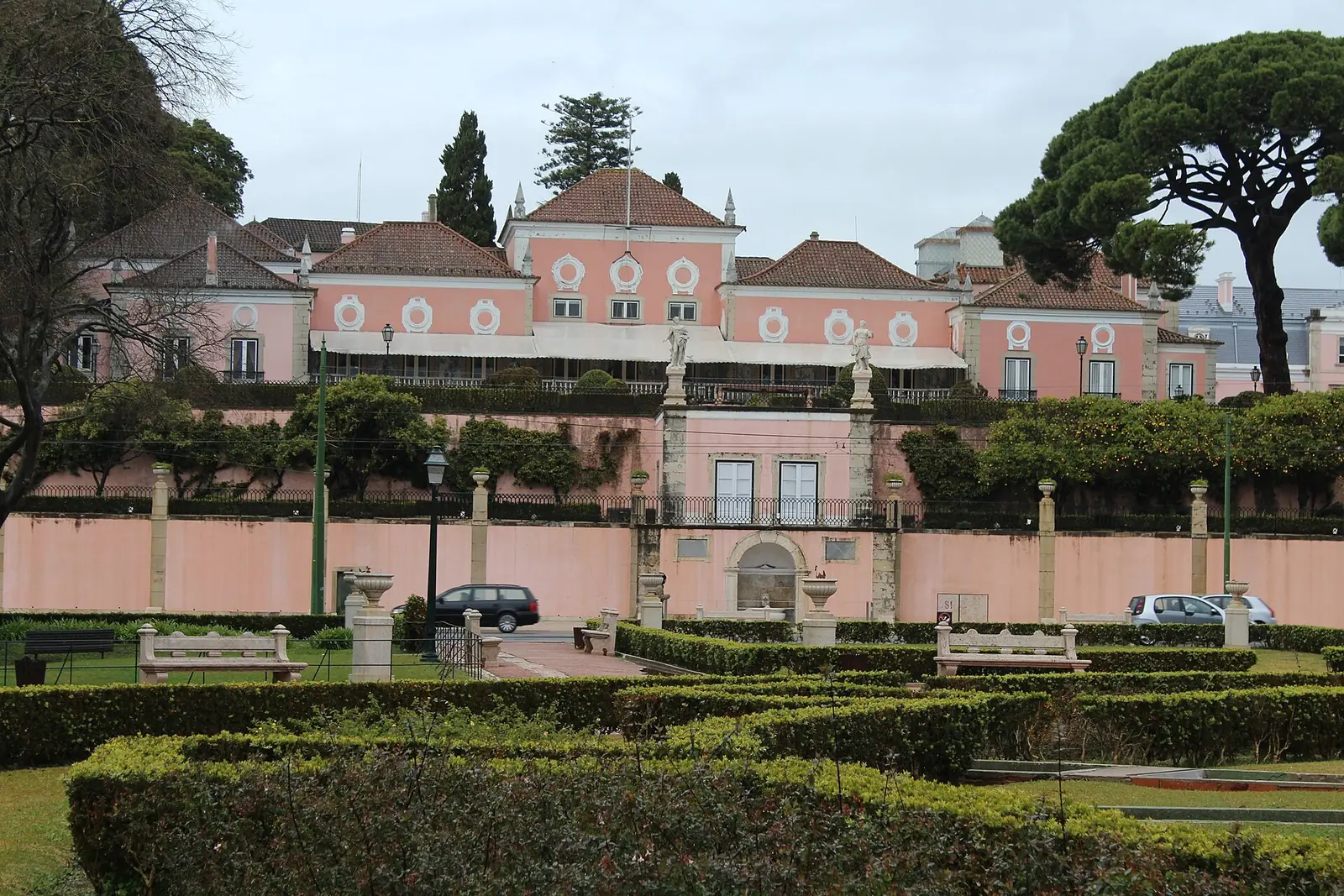
Today: Palácio de Belém – Presidency of the Republic
Here, in 1970, the first woman to be part of a government in Portugal took office. In September 1974 the palace was the stage for the tense meetings that led to Spínola’s resignation; on 25 November 1975, for President Costa Gomes’s command post.
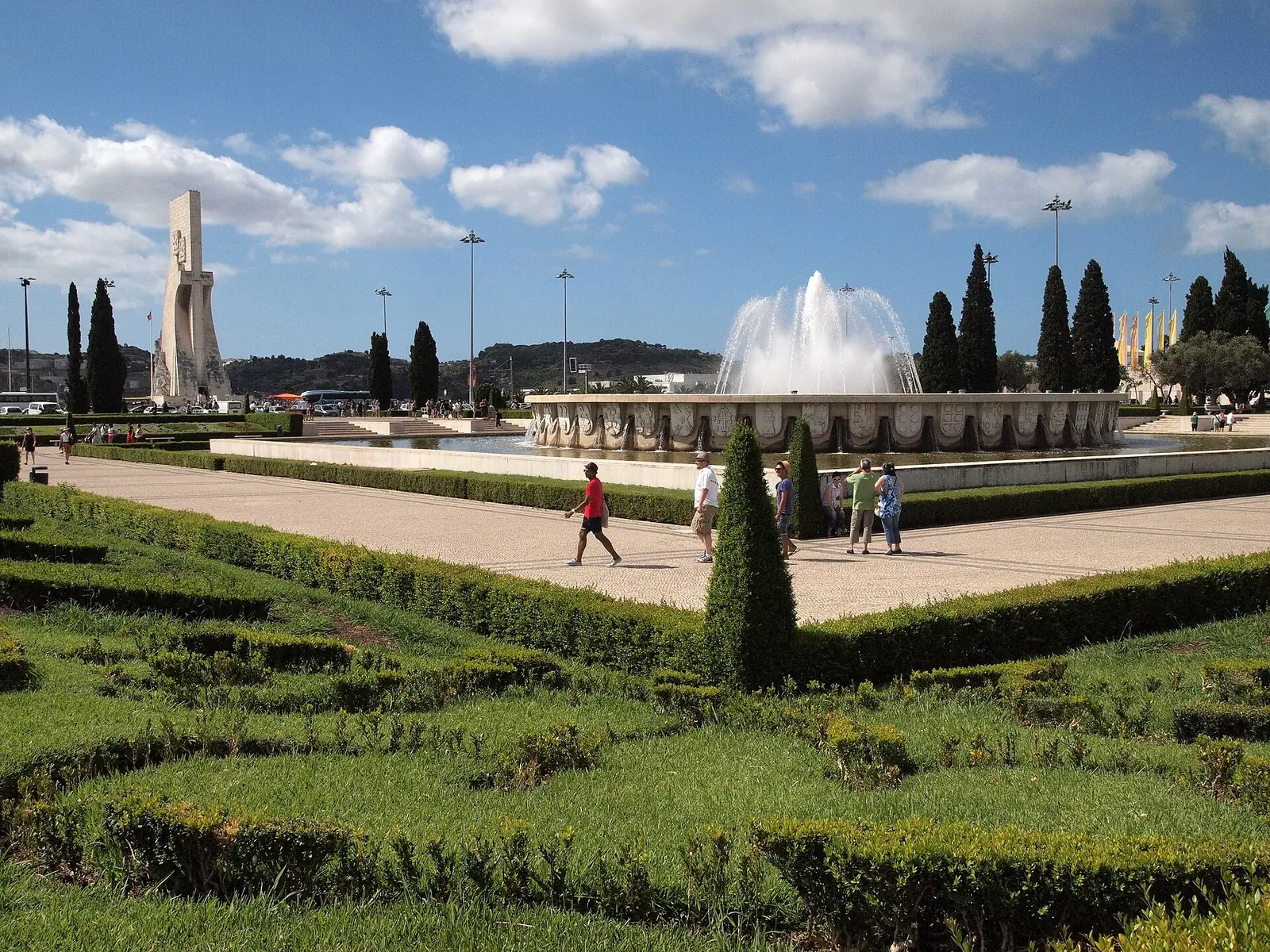
Today: Jardim público, com a Fonte Monumental ao centro
Aberta para a Exposição do Mundo Português, em 1940, foi o centro da maior montra de propaganda do império montada pelo Estado Novo. Os brasões das colónias que o jardim recebeu nos anos 60 voltaram a dar polémica no século XXI.
ColonialismCulture and censorship
Notes on the sources2
The captions on the signs of the other streets (only that of Rua Aurora de Castro is documented).
How many women’s names the 1988 edict gave: Lisbon’s street-naming office (Toponímia de Lisboa) says that, besides Carolina Ângelo, five of the remaining eleven names are women’s, but the list it publishes has six (Leonor Pimentel, Alice Pestana, Virgínia Quaresma, Aurora de Castro, Olga Morais Sarmento and Sara Afonso).
Do you know more, or do you have a document? Tell us.