Estrela
Calçada Ribeiro Santos
José António Ribeiro Santos, the student killed by the DGS in 1972, lived here; from here his funeral set out, one of the largest demonstrations of the final phase of the dictatorship. The street has borne his name since the first street-naming edict after 25 April.
José António Leitão Ribeiro Santos was born on 19 March 1946 and lived on this street, near Largo de Santos; his home was often used as a meeting place by students.1
On 14 October 1972, two days after he was killed by the DGS at the ISCEF, thousands of people gathered at the door of the building from which the cortege was to leave. The students insisted on carrying the coffin on their shoulders, there were shouts of “murderers” and “long live freedom”, and the police charged during the procession and at the Ajuda Cemetery. Toponímia de Lisboa, the City Council’s street-names service, counts some five thousand people and twenty arrests.12 “The funeral was a demonstration of grief and fury that must have troubled the Government more than anything else that year”, wrote Teresa Pizarro Beleza in 1992.2
The first street-naming edict after 25 April, on 30 December 1974, renamed Calçada de Santos as Calçada Ribeiro Santos, with the inscription “Anti-Fascist Activist/1946 – 1972”. In 2012, forty years after the murder, a plaque was put up on the house: “Here was born and lived José Ribeiro Santos, 1946-1972. Student, leader of the Students’ Association of the Faculty of Law and resister against the Dictatorship, who lost his life for the cause of Freedom.”13
On the walks
Where it is
Map showing where Calçada Ribeiro Santos is.
Dates
19 March 1946
José António Ribeiro Santos is born.
14 October 1972
Ribeiro Santos’s funeral leaves from here for the Ajuda Cemetery.
30 December 1974
Calçada de Santos becomes Calçada Ribeiro Santos.
2012
Commemorative plaque on the house where he was born and lived.
People connected with this place
Nearby
360 m · 5 min on foot
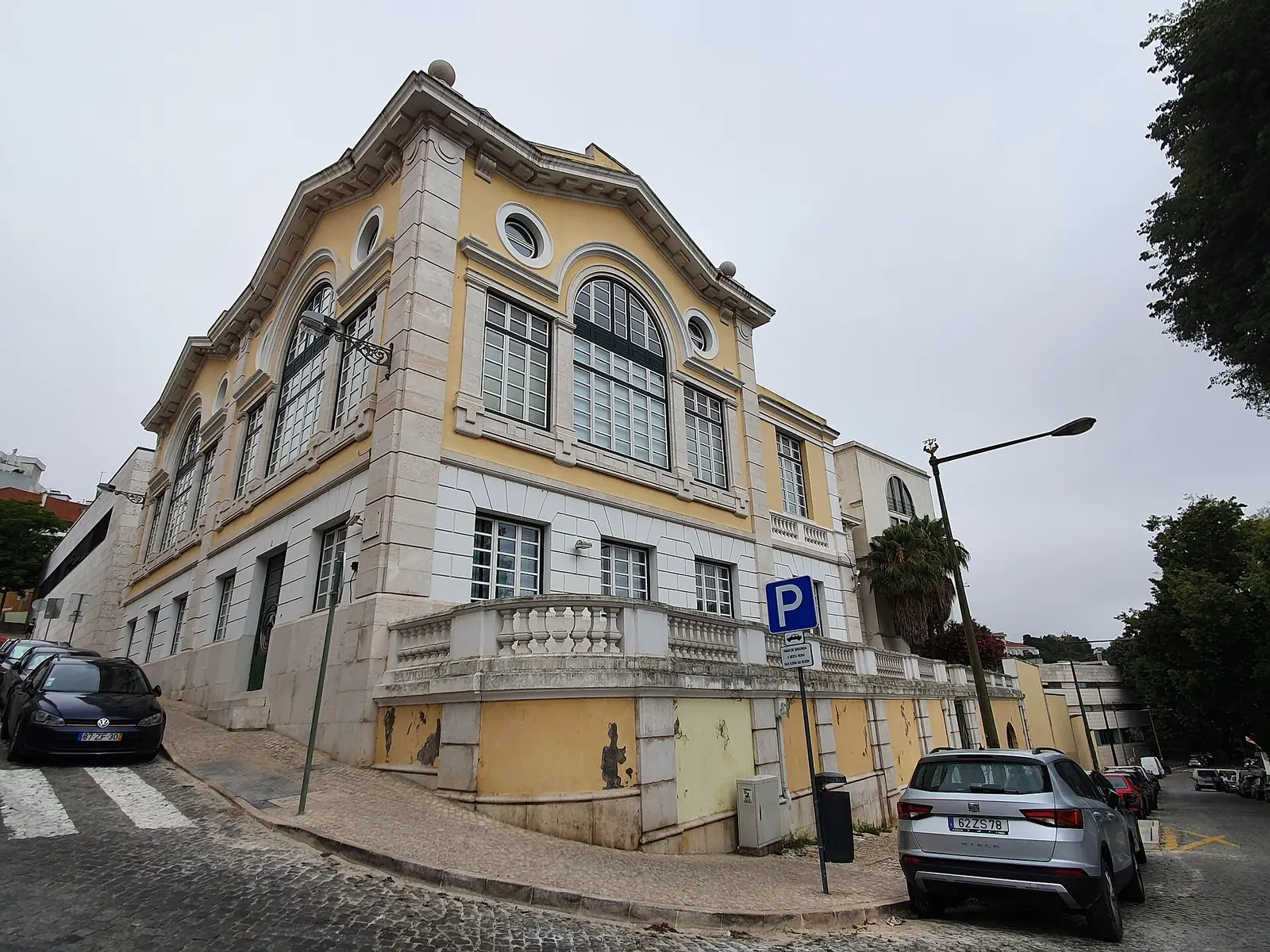
Emissora Nacional (Rua do Quelhas)
The regime’s official radio station was occupied in the early hours of 25 April 1974 by a small force from the Serra da Carregueira Firing Range, to serve as the MFA’s reserve broadcaster. It was fought over again on 11 March and 25 November 1975.
Revolution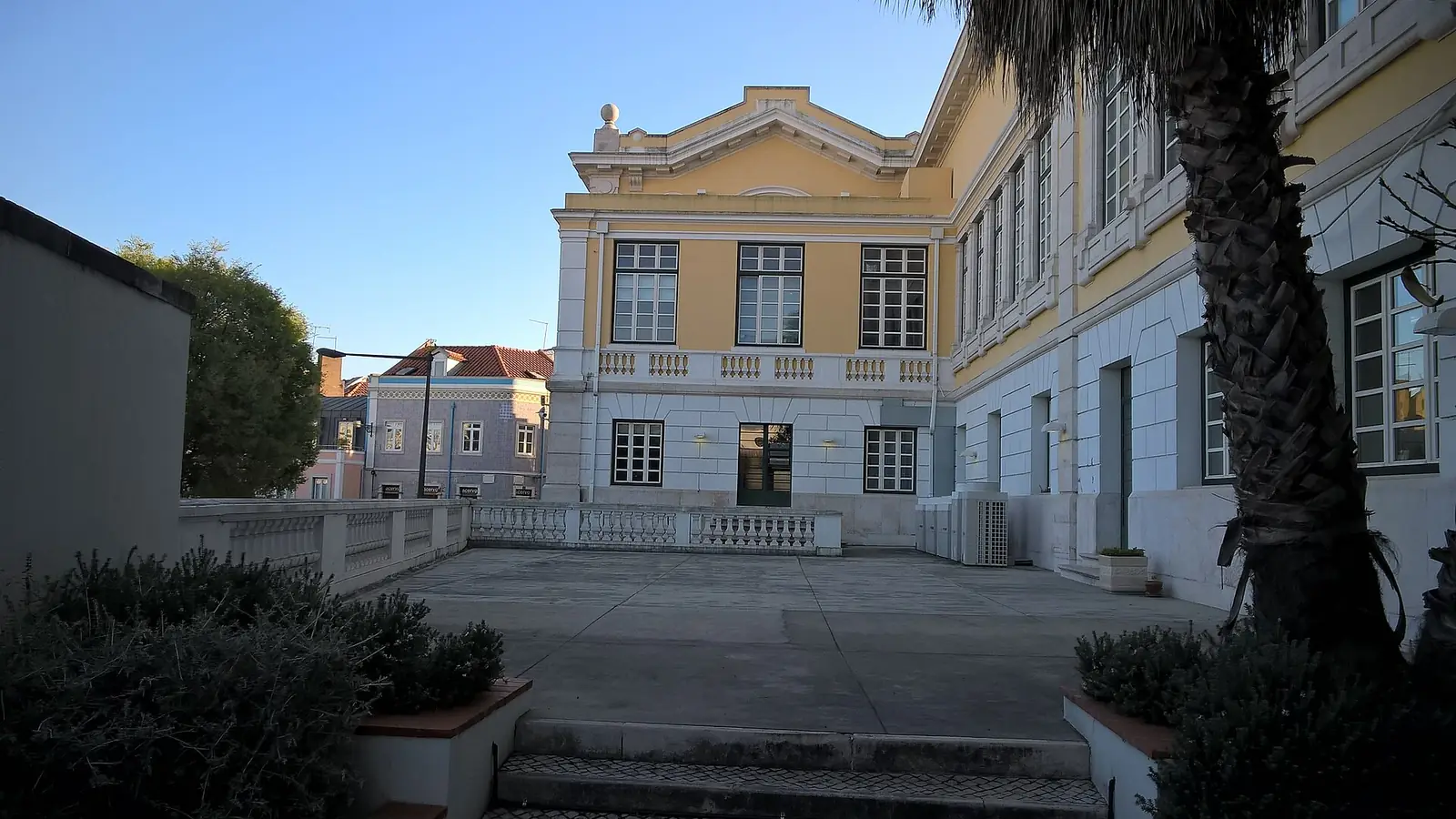
450 m · 5 min on foot
ISCEF, in the Quelhas
Today: ISEG – Lisbon School of Economics & Management
In a prefabricated lecture theatre at this school, on 12 October 1972, a DGS agent shot dead the law student José António Ribeiro Santos, during a “meeting against repression”. Aurora Rodrigues was in the room.
RepressionStudents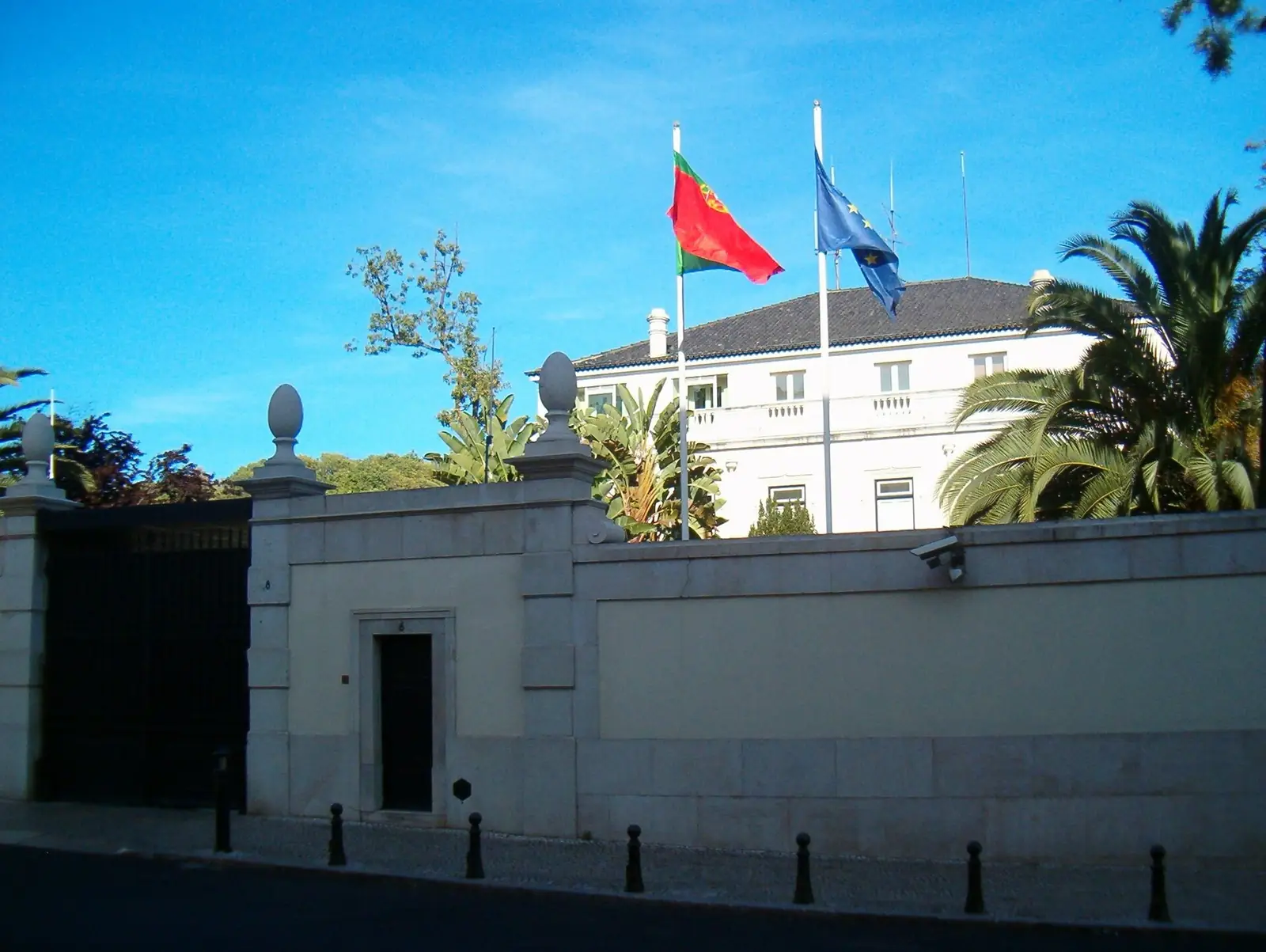
710 m · 10 min on foot
Palacete de São Bento – Salazar’s official residence
Today: Official residence of the Prime Minister
The mansion behind Parliament that the State expropriated in 1937 as the official residence of the President of the Council (head of government). Salazar lived here from May 1938 to July 1970, the month in which he died. Today it is the official residence of the Prime Minister.
Repression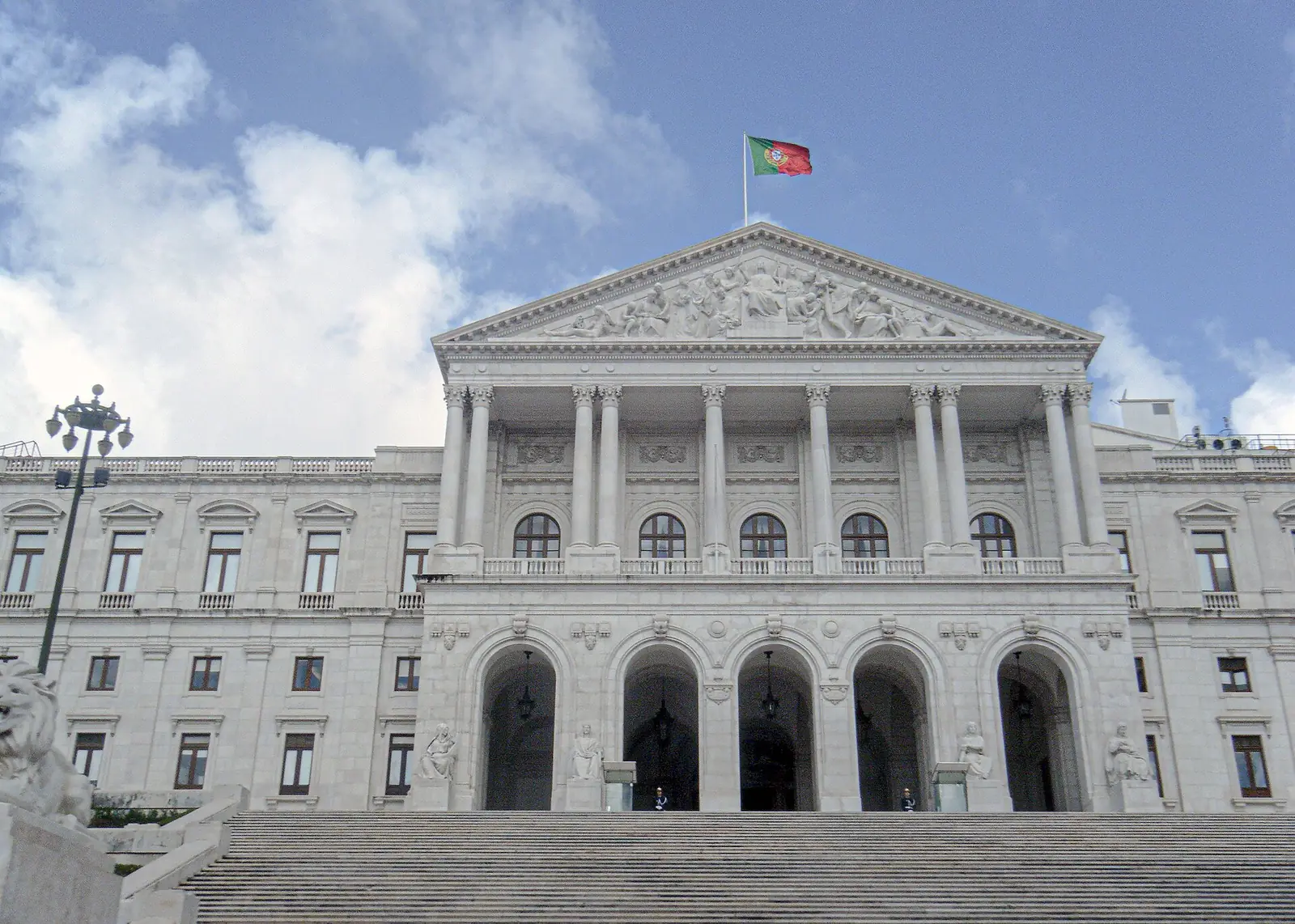
730 m · 10 min on foot
Palácio de São Bento
Today: Assembly of the Republic
The parliament where, in 1911, women were refused the vote and where, in 1975–76, twenty-seven women deputies helped to write the Constitution that prohibits discrimination on grounds of sex. Sophia de Mello Breyner Andresen chaired the committee on the preamble here.
WomenRevolutionRepublic


Notes on the sources2
- The exact building of the house (Seara Nova gives no. 37) and who made the 2012 plaque.
- How many people attended the funeral: “thousands” (Aljube Museum) or about five thousand (Toponímia de Lisboa).
Do you know more, or do you have a document? Tell us.
Sources
- 1A Calçada Ribeiro Santos no Dia do Estudante. Toponímia de Lisboa – CML (24/3/2014) — consulted on 2 October 2026
- 2O assassinato de José Ribeiro Santos. Comissão Comemorativa 50 Anos 25 de Abril — consulted on 2 October 2026
- 3José António Leitão Ribeiro Santos. Memória Comum – Memorial aos Presos e Perseguidos Políticos — consulted on 2 October 2026
- 4Testemunhos da História no cinquentenário do assassinato de Ribeiro Santos. Seara Nova (10/8/2023) — consulted on 2 October 2026
- 5Notas biográficas de Ribeiro Santos. ribeirosantos.net — consulted on 2 October 2026
- 6José António Leitão Ribeiro Santos (biografia). Museu do Aljube Resistência e Liberdade — consulted on 2 October 2026
- 7Nominatim – OpenStreetMap (geocodificação). OpenStreetMap contributors (ODbL) — consulted on 2 October 2026
Coordinates: OpenStreetMap (Nominatim), consultado a 2 de outubro de 2026.