Estrela (segundo o OpenStreetMap)
Doca de Alcântara (the attack on the freighter “Cunene”)
The first action of the ARA, the armed wing of the PCP: on the night of 26 October 1970, explosive charges blew a hole in the freighter “Cunene”, which carried weapons and supplies for the colonial war and was left “flooded and immobilised in the Alcântara dock”.
Armed Revolutionary Action (ARA) was the armed wing of the Portuguese Communist Party, active from 1970 to 1973, to fight against the colonial war, overthrow the dictatorship and win freedom. Its first action, studied and decided on in the central command by Jaime Serra, Francisco Miguel and Raimundo Narciso, targeted the freighter Cunene, which supplied the colonial troops with weapons and other goods.1
According to Wikipedia, the original target was the liner Vera Cruz. On the night of 26 October 1970, Carlos Coutinho and Gabriel Pedro — an old communist activist, aged 72, who had spent years in prison at Tarrafal — rowed out of the Poço do Bispo dock, disguised as fishermen. A maritime police patrol appeared near the liner; with the bombs’ timers set for five in the morning, they decided to place the charges underwater, on the hull of the Cunene.2
The ARA communiqué, dated 26 October, announced that the 16,000-ton Cunene, “used to feed the colonial war”, had been left “flooded and immobilised in the Alcântara dock, in Lisbon, with a large hole”.12 The next day, the newspapers reported an explosion on the ship — O Século (The Century) published a photograph of the hole — and the captain put it down to “a diesel pipe or gases in the hold”.2
Other actions followed: the destruction, in the port of Lisbon, of equipment bound for the colonial army; that of the cultural centre of the United States embassy; that of the helicopter fleet at the Tancos air base; the cutting of radio-telegraph and telephone communications; and the destruction of part of the NATO headquarters in Oeiras.1
On the walks
Where it is
Map showing where Doca de Alcântara (the attack on the freighter “Cunene”) is.
Dates
26 October 1970
The ARA attacks the freighter “Cunene”; the communiqué claiming the action bears this date.
People connected with this place
Nearby
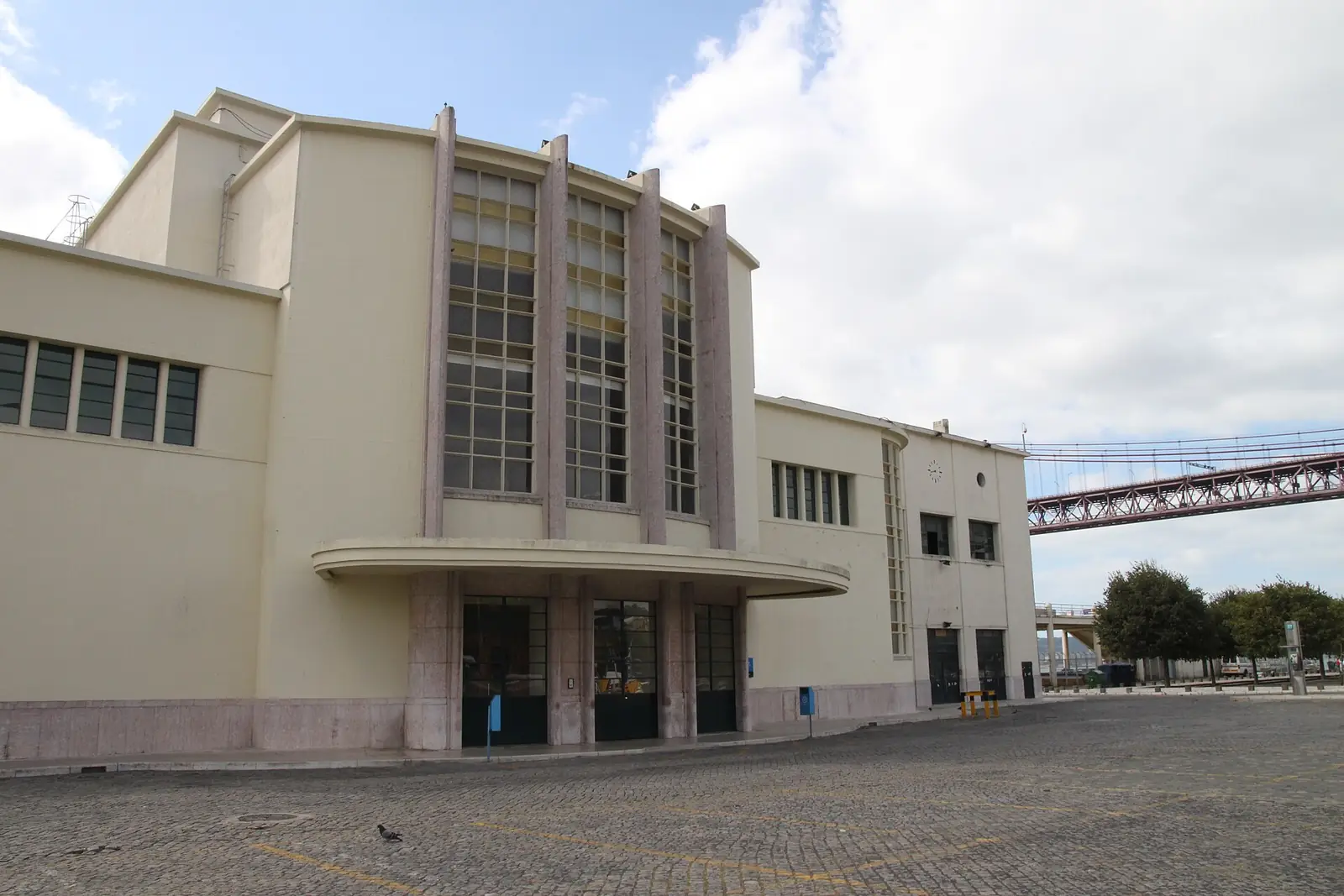
180 m · 5 min on foot
Gare Marítima de Alcântara
Today: Gare marítima e Centro Interpretativo Murais de Almada nas Gares Marítimas
Inaugurada em 1943 e pintada por Almada Negreiros, foi porta de partida e de chegada do império: daqui e da vizinha Rocha do Conde de Óbidos partiram soldados para a guerra colonial, e aqui se amontoaram, em 1975, os caixotes de quem regressava de África.
ColonialismCulture and censorshipWomen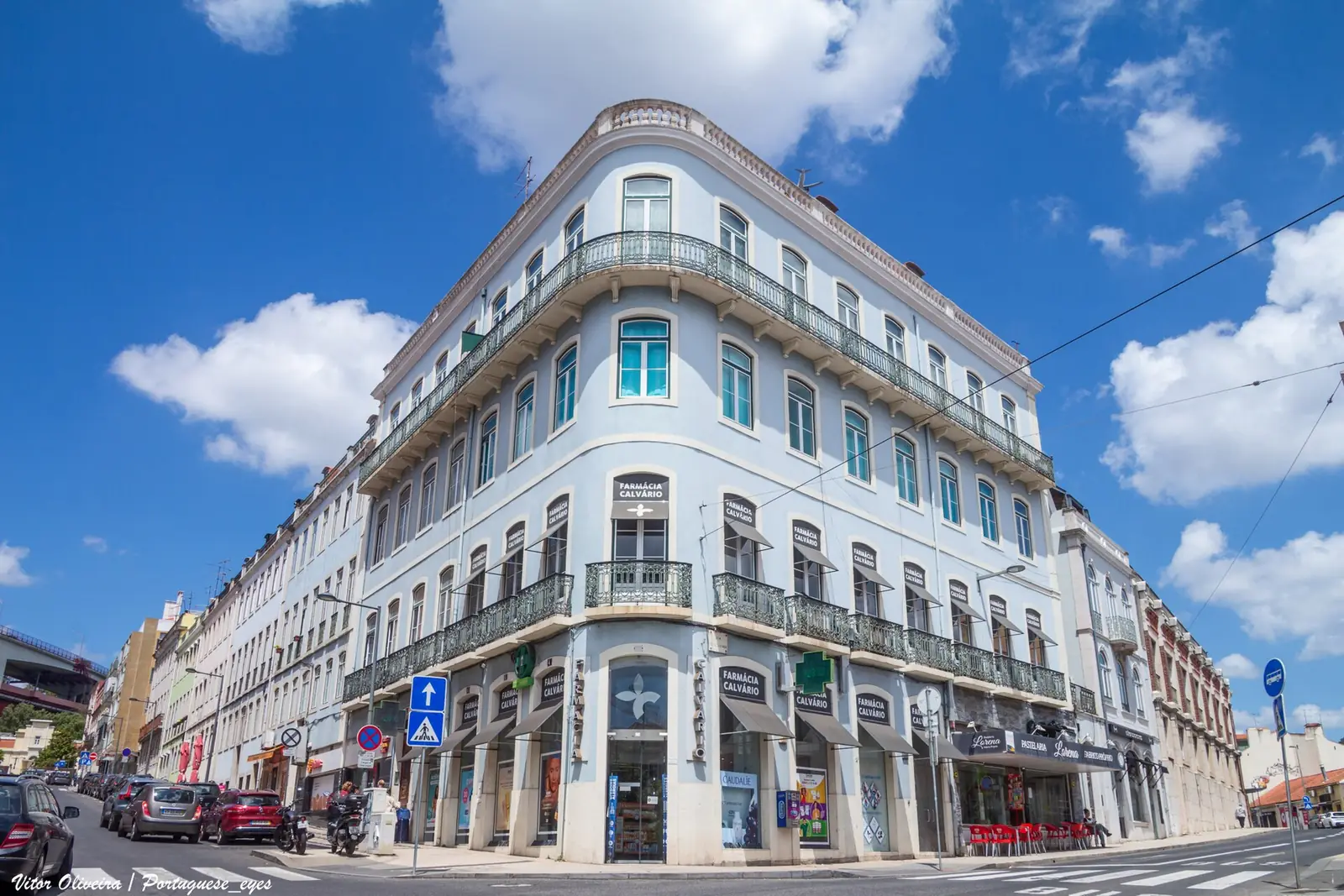
560 m · 10 min on foot
Rua da Creche (where José Dias Coelho was murdered)
Today: Rua José Dias Coelho
In this street in Alcântara, then Rua da Creche, PIDE agents shot dead the sculptor and communist leader José Dias Coelho on 19 December 1961. His partner, Margarida Tengarrinha, only learned of his death a week later. The street has borne his name since 1975.
RepressionOppositionCulture and censorship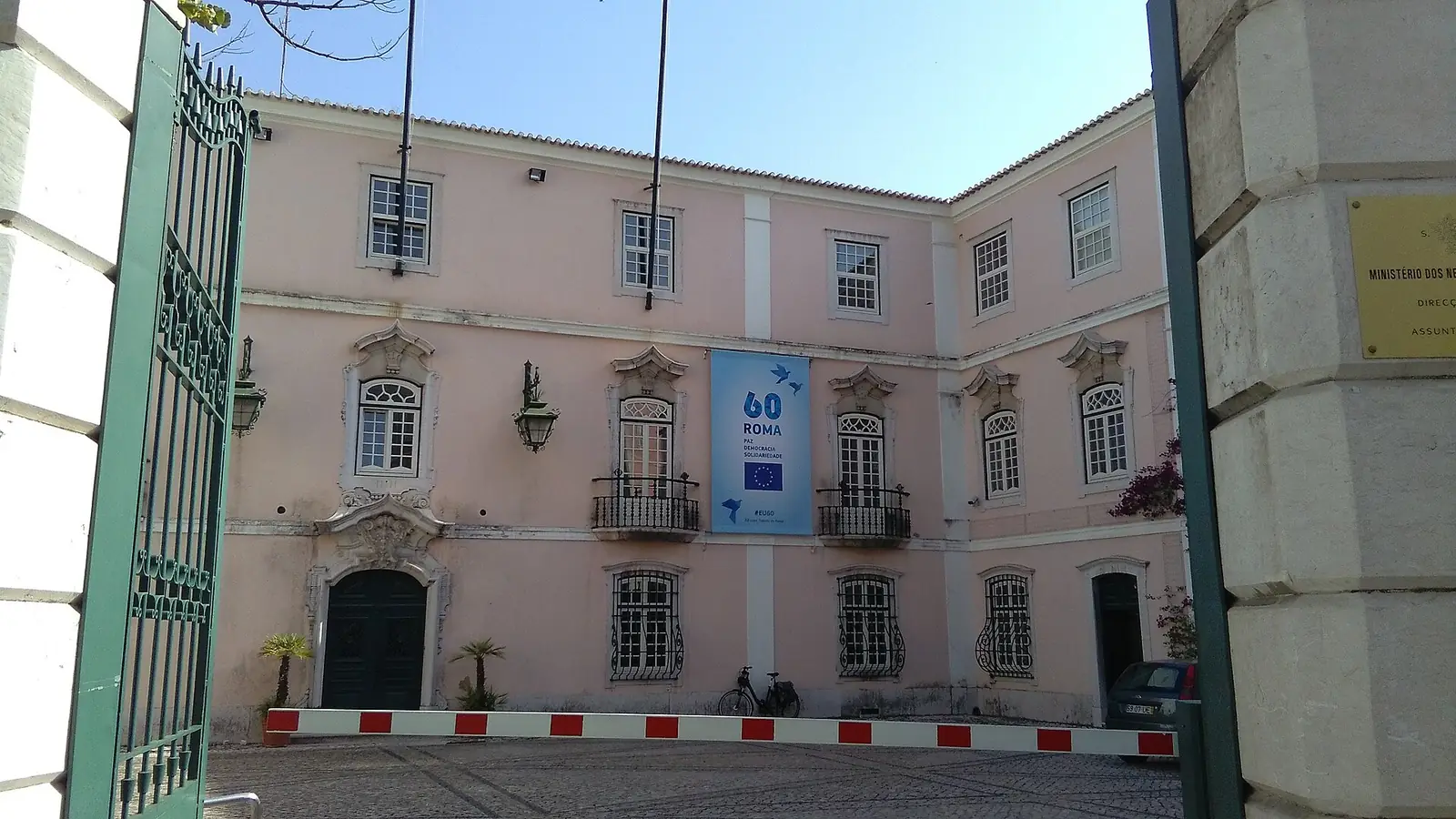
770 m · 10 min on foot
Palácio da Cova da Moura
On the night of 26 April 1974, Spínola’s aide-de-camp came here to consult the National Salvation Junta and took from here to Caxias the order to release all the political prisoners. Here Spínola also received Mário Soares, back from exile, and the bankers.
RevolutionOpposition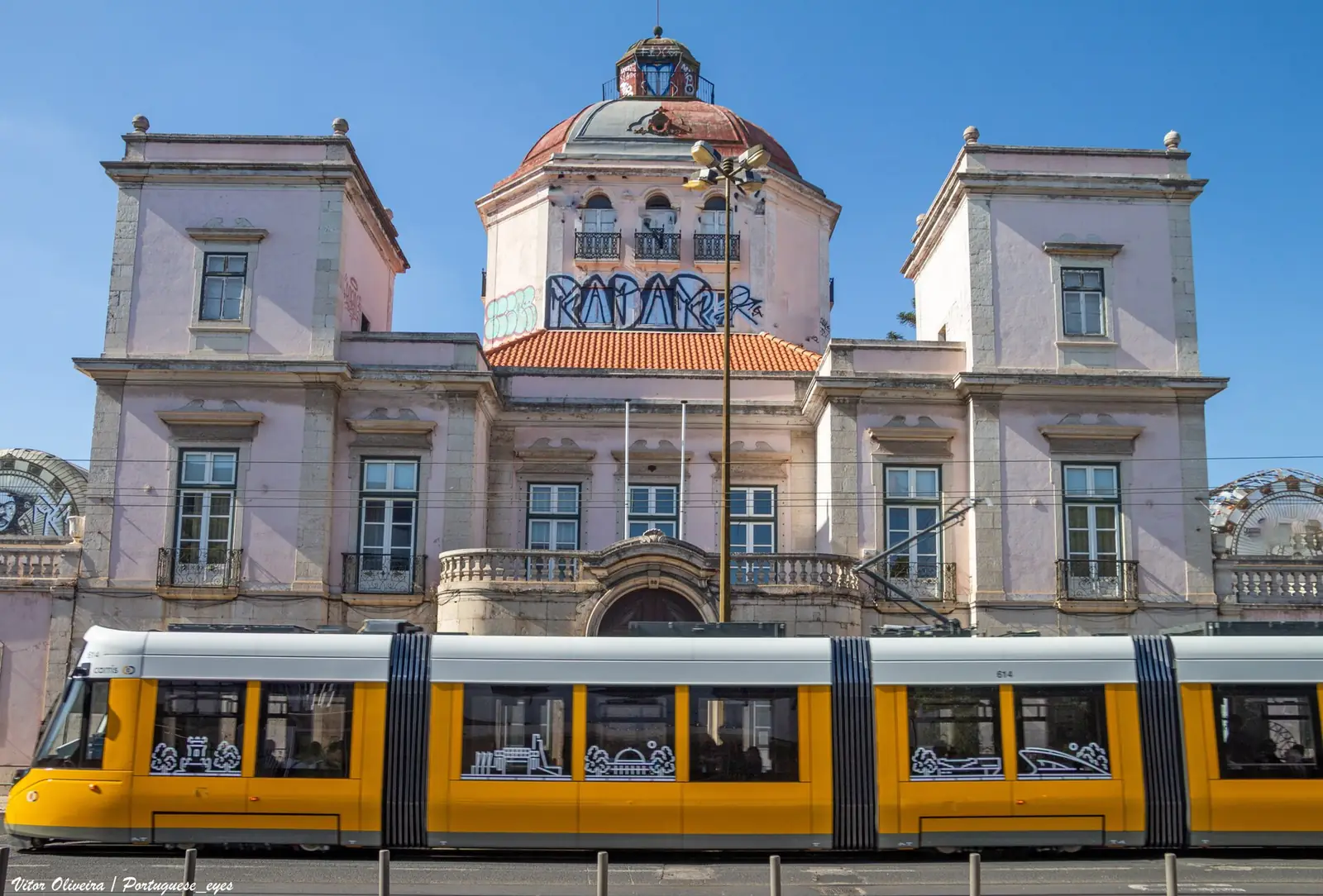
890 m · 15 min on foot
Palácio Burnay (Instituto Superior de Ciências Sociais e Política Ultramarina)
Today: Palácio à espera de reabilitação, aprovada em 2024 para sede da Museus e Monumentos de Portugal
Comprado em 1940 pelo Ministério das Colónias, recebeu os conselhos do império e, em 1962, a antiga Escola Superior Colonial, rebatizada Instituto Superior de Ciências Sociais e Política Ultramarina: a escola dos administradores das colónias.
Colonialism


Notes on the sources2
- Where the “Cunene” was when the charges were placed and when they exploded: the communiqué says it was left immobilised in the Alcântara dock; Wikipedia describes the charges being placed in the river, near the “Vera Cruz”.
- The details of the operation (the time they set out, the names, the departure from Poço do Bispo) have only been read in Wikipedia.
Do you know more, or do you have a document? Tell us.
Sources
- 1Primeira ação da Acção Revolucionária Armada (ARA). Museu do Aljube Resistência e Liberdade (EGEAC) — consulted on 2 October 2026
- 2Ação Revolucionária Armada. Wikipédia — consulted on 2 October 2026
Coordinates: OpenStreetMap (Nominatim), consultado a 2 de outubro de 2026.