
Women of the resistance
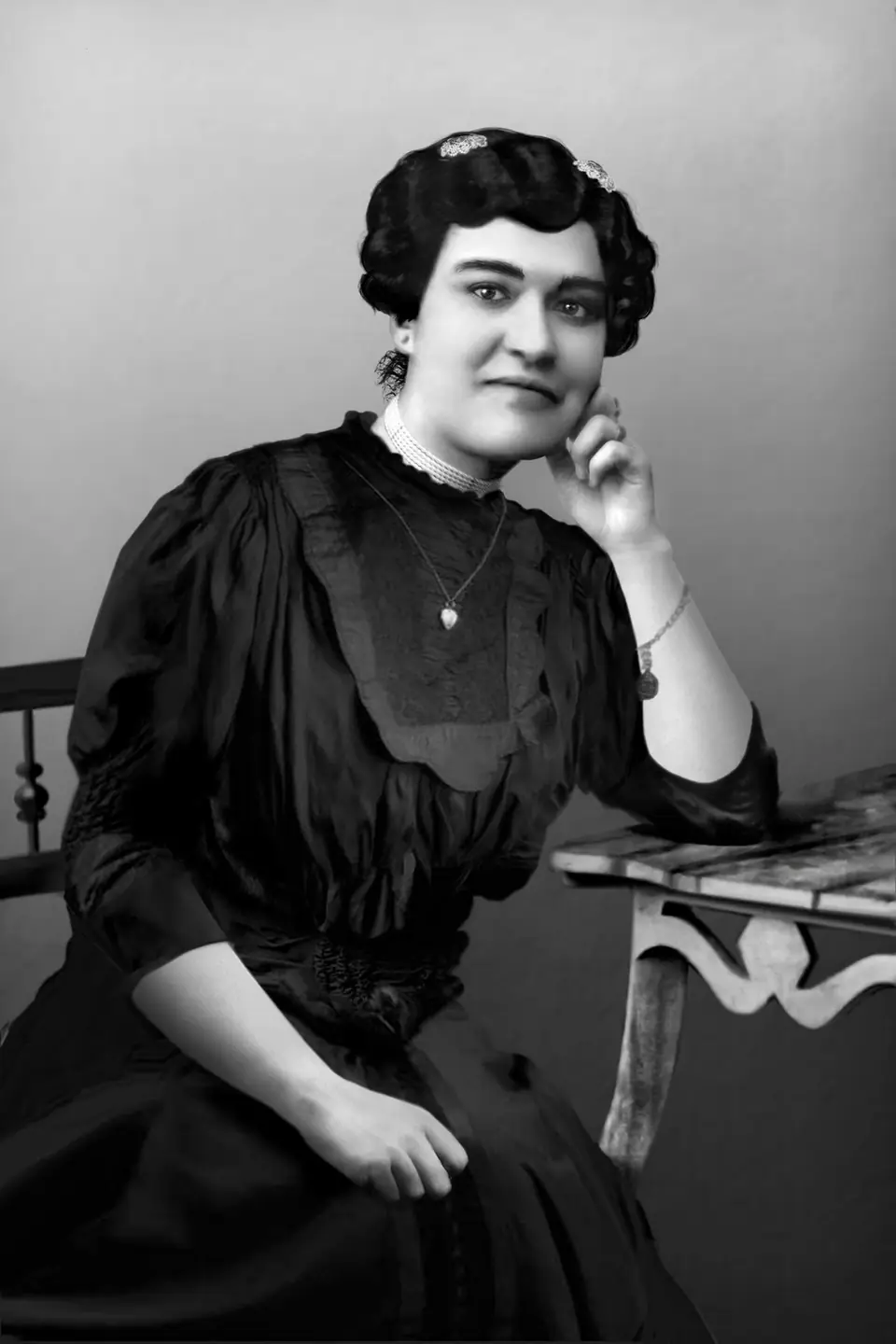
Angelina Vidal
Angelina Casimira do Carmo da Silva Vidal
- Born
- 11 March 1847, Lisbon (parish of São José)
- Died
- 1 August 1917, Lisbon (Rua de São Gens, 41)
A teacher, journalist and republican speaker, editor of “A Voz do Operário”, she defended women workers and equality between men and women. The monarchy denied her a widow’s pension; she died almost destitute in 1917, a day after it was granted.
She was born in Lisbon, in the parish of São José, on 11 March 1847, the daughter of the conductor Joaquim Casimiro. In 1872 she married the Navy doctor Luís Augusto de Campo Vidal, and was widowed in 1894.1
She began writing in the newspapers under the pseudonym “Uma Republicana Viseense” (A Republican Woman from Viseu) and spread republican propaganda at rallies and in the press, in titles such as O Sindicato, Justiça do Povo, Emancipação, O Tecido and O Trabalhador. She wrote for A Voz do Operário from 1883 and was the paper’s editor between 1897 and 1901.1 To her republican ideals she later added socialist ones.2
She defended the rights of women workers and the education of women as the basis of equality. She never called herself a feminist, and even criticised the suffragists of the Republican League of Portuguese Women, but she always demanded equality between men and women, at work and in civil law. She taught French, piano and music, including at the A Voz do Operário society, and wrote poetry, prose and plays, among them Lisboa Antiga e Lisboa Moderna (Old Lisbon and Modern Lisbon, 1900).1
The monarchy’s government denied her a widow’s pension, claiming that she was an “enemy of the institutions”. In 1917, under the Republic, she applied again; it was granted on 31 July, and the next day, 1 August 1917, she died almost destitute, at No. 41 Rua de São Gens.1 By an edict of 17 October 1924, Lisbon City Council gave her name to the former Caminho do Forno do Tijolo, today Rua Angelina Vidal, with the caption “Illustrious Lecturer and Propagandist of Social Emancipation” (Ilustre Conferencista e Propagandista da Emancipação Social).13
From the archives
In other archives
These can only be viewed on each archive’s own website.
On the walks
Places


In the timeline
1 Aug 1917
Death of Angelina Vidal17 Oct 1924
Lisbon names a street after Angelina Vidal
They crossed paths with her
Carolina Beatriz Ângelo
1878–1911
A doctor, the first Portuguese woman surgeon and a suffragist. A widow and “head of household”, she won in court the right to be registered as a voter and, on 28 May 1911, at the Clube Estefânia, became the first woman to vote in Portugal.


Notes on the sources2
- Her full name: “Angelina Casimira do Carmo da Silva Vidal” (Toponímia de Lisboa) or “Angelina Casimira da Silva Vidal” (Wikipedia).
- Her husband’s surname: “Campo Vidal” (Toponímia de Lisboa) or “Campos Vidal” (Wikipedia, which gives the same surname to their children).
Do you know more, or do you have a document? Tell us.
Sources
- 1A republicana Angelina Vidal. Toponímia de Lisboa (Câmara Municipal de Lisboa) — consulted on 2 October 2026
- 2Angelina Vidal. Wikipédia (pt) — consulted on 2 October 2026
- 3Lisboa Republicana: topónimos no feminino. Toponímia de Lisboa (Câmara Municipal de Lisboa) — consulted on 2 October 2026