Santa Maria Maior
Largo do Caldas / Rua da Madalena
Here, on May Day 1962, the police fired bursts of machine-gun fire at the demonstrators and killed the typographer Estêvão Giro, aged 25.
May Day (1 May) 1962 was one of the largest demonstrations against the dictatorship, bringing workers’ and students’ mobilisation together, in the middle of the academic crisis. The demonstrators gathered at various points in the city, and there were clashes in the Terreiro do Paço, the Carmo, the Rossio, Martim Moniz and Alcântara.
Around Rua da Madalena and Largo do Caldas, demonstrators and police forces clashed, and the police fired bursts of machine-gun fire. Estêvão José Dangues Giro, a typographer from Alcochete, who is said to have had links to the PCP, was fatally hit. He was 25.
As the Aljube Museum points out, the killing took place “very close to the Aljube”, the PIDE’s political prison, and a few days after two miners had been killed in Aljustrel, at the end of April.
The repression combined the riot police, the GNR, the PIDE and the Portuguese Legion, and only late into the night did the authorities manage to regain control of the Baixa.
Where it is
Map showing where Largo do Caldas / Rua da Madalena is.
Dates
1 May 1962
Death of Estêvão Giro, hit by police fire.
People connected with this place
Nearby
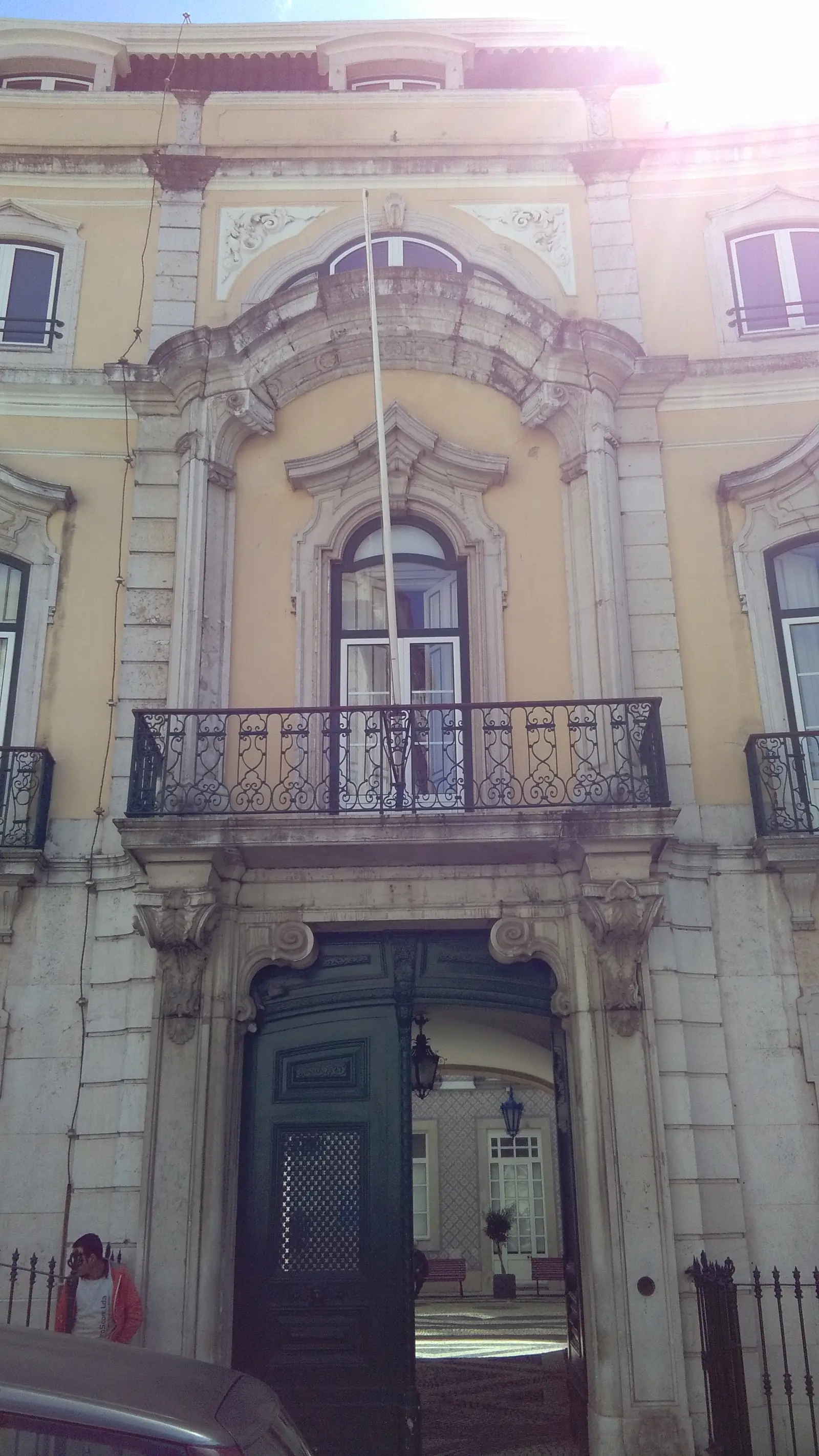
60 m · 5 min on foot
Paço de São Cristóvão / Palácio Vagos — Mutual Aid Association of Commercial Employees of Lisbon
Today: São Cristóvão Clinic, run by the Mutual Aid Association of Commercial Employees of Lisbon
A palace in Mouraria that has belonged since 1913 to the Mutual Aid Association of Commercial Employees of Lisbon. In May 1924 the First Feminist and Education Congress, the first in the country, was held in the association’s great hall.
WomenRepublic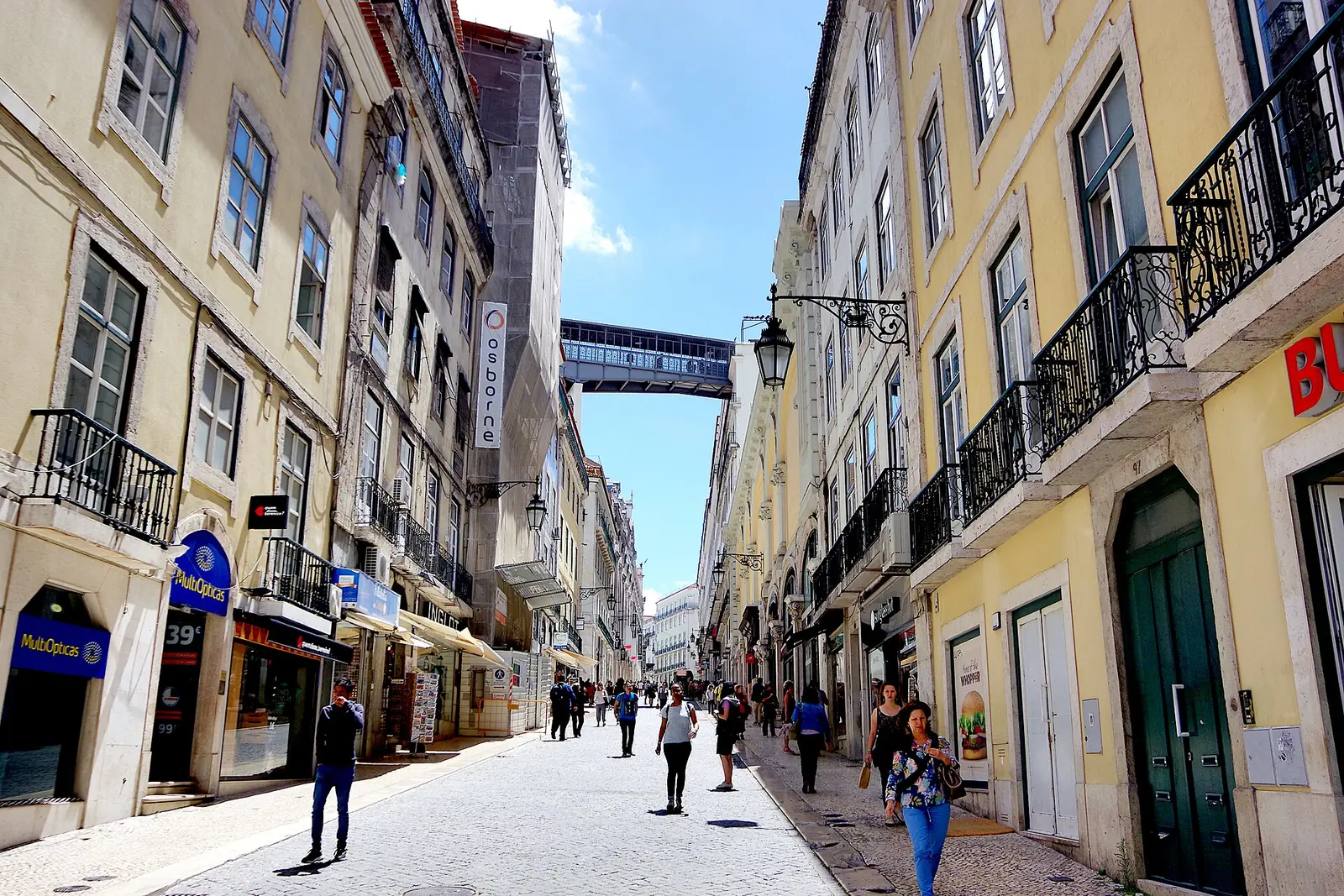
320 m · 5 min on foot
Rua do Carmo — Celeste Caeiro’s carnations
Today: Rua do Carmo
Salgueiro Maia’s column climbed this street, from the Rossio to Largo do Carmo. It was here, at the start of the street, that Celeste Caeiro gave a carnation to a soldier who asked her for a cigarette — and the carnation became the symbol of the revolution.
RevolutionWomenLabour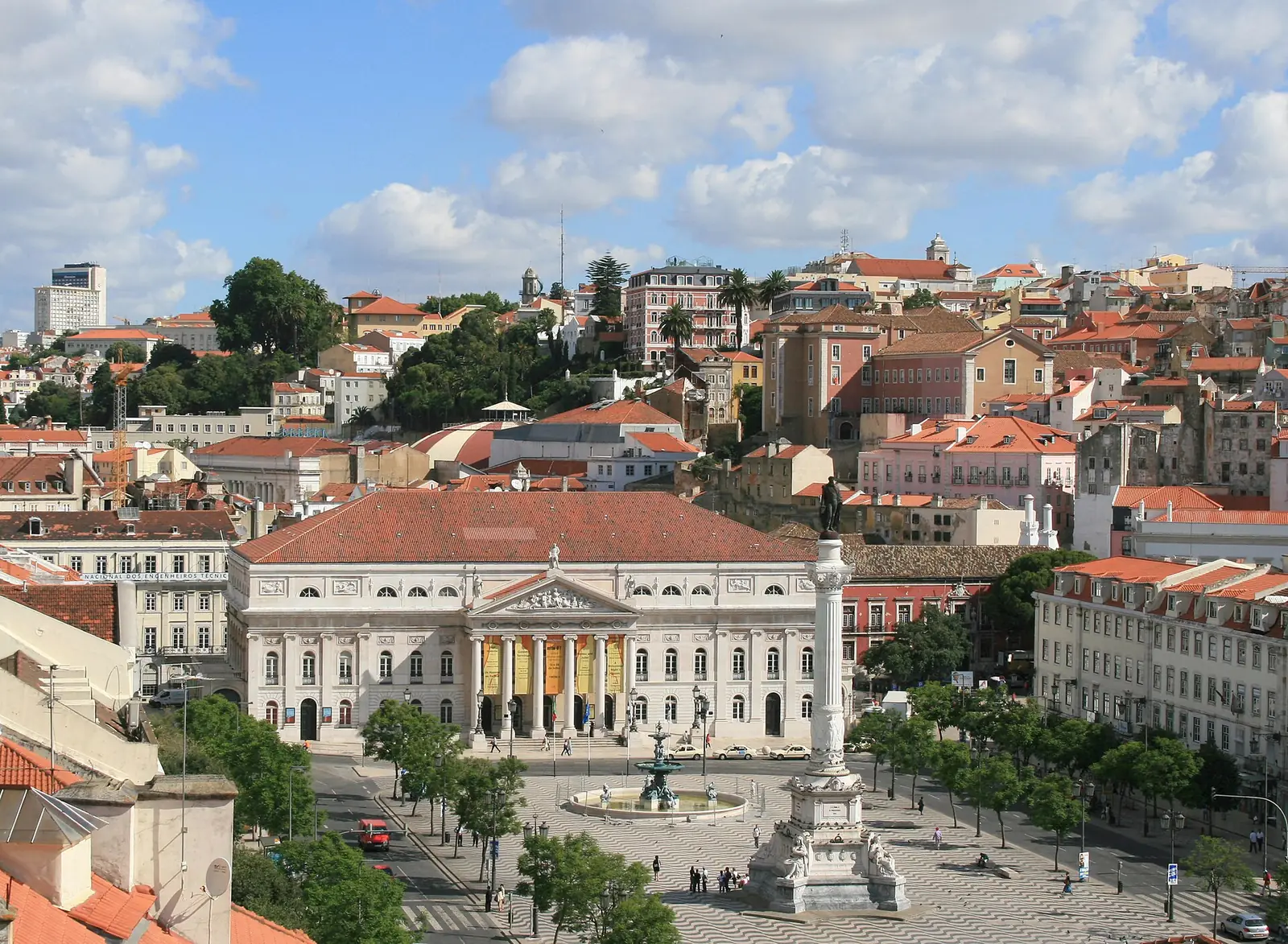
350 m · 5 min on foot
Café Chave d'Ouro
Today: A Caixa Geral de Depósitos bank branch
On the first floor of this café on the Rossio, on 10 May 1958, Humberto Delgado answered “Obviously, I’ll sack him!” (Obviamente, demito-o!) when asked what he would do with Salazar if he were elected.
Opposition350 m · 5 min on foot
Rossio (Praça de D. Pedro IV)
Today: Praça D. Pedro IV
On the Rossio, the GNR charged Humberto Delgado’s supporters in 1958 and the police put down the May Day demonstration of 1962. On 25 April 1974, Salgueiro Maia’s column passed through here, among the crowd, on its way to the Carmo.
OppositionLabourStudents


Notes on the sources4
- The exact spot where Estêvão Giro fell (Rua da Madalena or Largo do Caldas).
- Age: the Aljube Museum says he was 25, but gives 1937 as his year of birth (which would make him 24 or 25, depending on the date).
- Date and circumstances of the renaming to Largo Adelino Amaro da Costa (read only in OpenStreetMap).
- The official name of the square today: Largo Adelino Amaro da Costa, according to OpenStreetMap.
Do you know more, or do you have a document? Tell us.
Sources
- 1Estêvão José Dangues Giro (Alcochete, 1937 – Lisboa, 01-05-1962). Museu do Aljube Resistência e Liberdade — consulted on 2 October 2026
- 2Manifestação de apoio a Eurico Figueiredo. Museu do Aljube Resistência e Liberdade (EGEAC) — consulted on 2 October 2026
Coordinates: OpenStreetMap (Nominatim), consultado a 2 de outubro de 2026.