Women of the resistance
Luísa Tito de Morais
- Born
- 1942
At the age of five she visited her father, a prisoner in the Aljube. She joined the PCP at 16, took part in the struggles in the secondary schools, lived in exile in Paris, Prague and Algeria, returned clandestinely in 1970 and later joined the leadership of the Democratic Electoral Commission.
She was born in 1942 into a family of opposition activists. At the age of five she would visit her father, Manuel Alfredo Tito de Morais, in the Aljube prison; he was a leader of the Movement of Democratic Unity (MUD) and, later, one of the founders of the Socialist Party. Her grandfather, Admiral Tito de Morais, had taken part in the revolution of 5 October 1910.1
In 1958 she followed the campaigns of Arlindo Vicente and Humberto Delgado and, at 16, joined the PCP. She took part in the struggles of the secondary-school (liceu) students and in setting up a pro-association of secondary-school students. From 1961 she lived in exile — in Paris, Prague and Algeria — always with her partner, Pedro Ramos de Almeida.1
She returned to Portugal clandestinely in 1970. In 1972 she left the underground and moved into legal political activity, above all in the Democratic Electoral Commission (CDE), of whose leadership she was a member.1
Places

They crossed paths with her
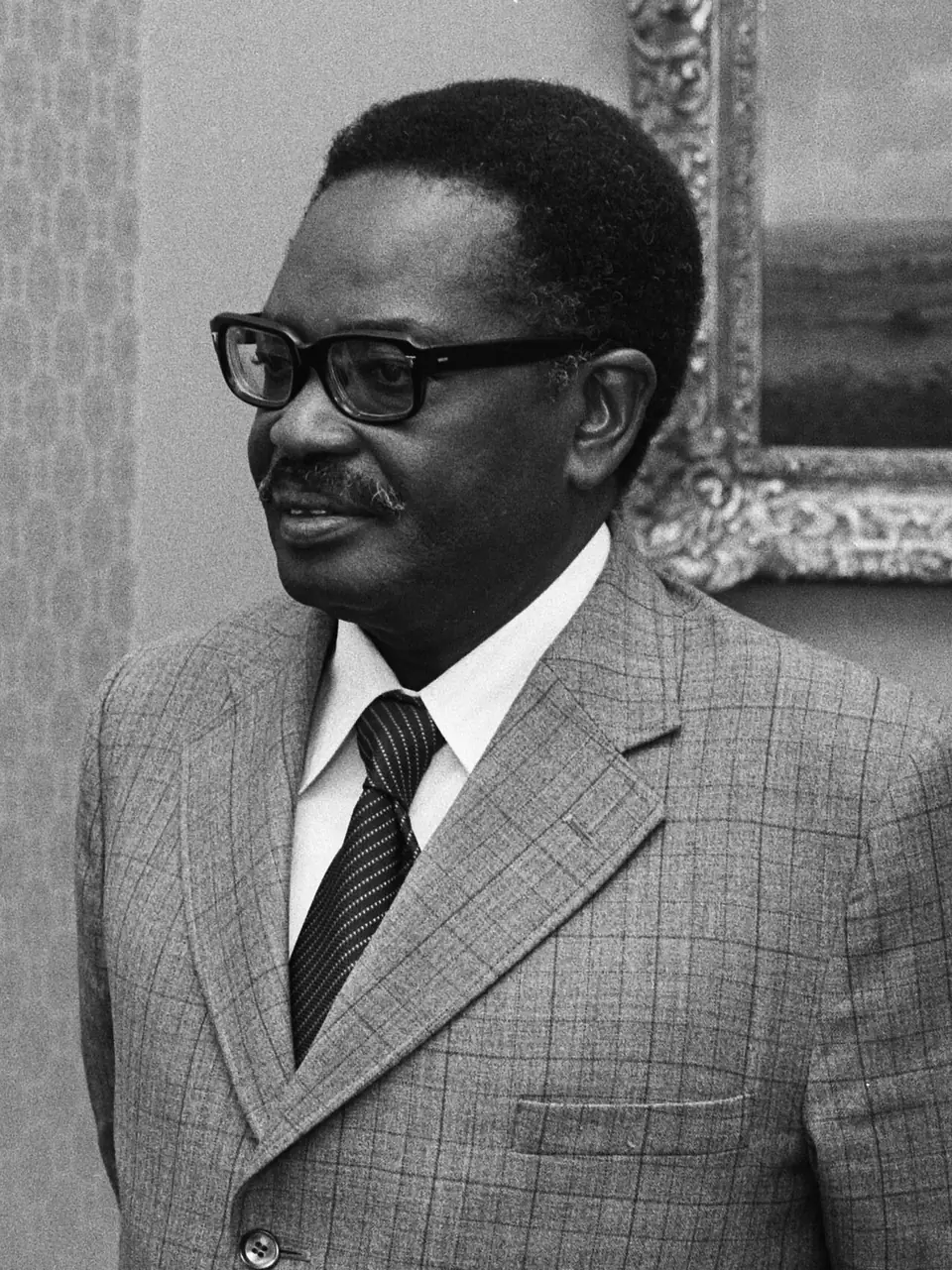
Agostinho Neto
1922–1979
A medical student in Lisbon from 1948, he was active in the House of the Students of the Empire, the MUD Juvenil and the Centre for African Studies. Arrested several times by the PIDE in Lisbon, he was the first president of independent Angola.
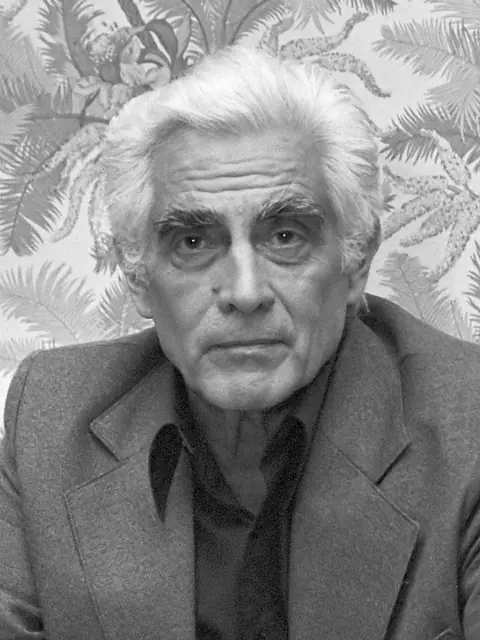
Álvaro Cunhal
1913–2005
A communist leader, he was arrested in 1949 and escaped from Peniche Fortress in 1960. General secretary of the PCP, he returned from exile on 30 April 1974 and addressed the crowd at the airport from the top of a Chaimite armoured car.
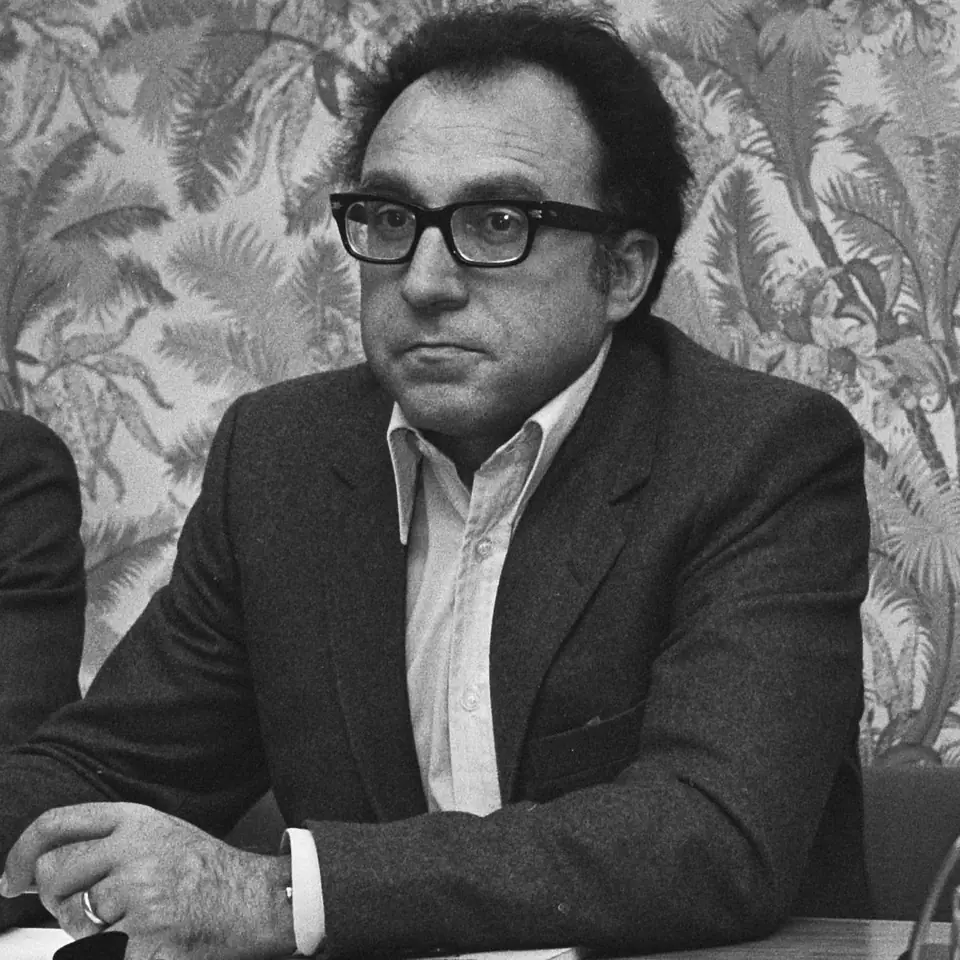
Domingos Abrantes
b. 1936
A communist leader, he was one of the eight prisoners who escaped from Caxias in Salazar’s armoured car, in 1961. Arrested in 1959 and again in 1965, he withstood PIDE torture without talking.
Emídio Santana
1906–1988
A metalworker and anarcho-syndicalist, he was one of the perpetrators of the bomb attack on Salazar on Avenida Barbosa du Bocage, in 1937. He fled to England, was handed over to the Portuguese police and was not released from prison until 1953.
Eurico de Figueiredo
1939–2025
A charismatic leader of the medical students, he proposed the hunger strike of May 1962; while he was held in the Aljube, demonstrations demanding his release were put down by the police.
José Dias Coelho
1923–1961
A sculptor and painter who gave up his artistic career for underground life in the PCP. PIDE agents shot him dead in a street in Alcântara on 19 December 1961, aged 38.


Notes on the sources1
- The place and day of birth: the Aljube Museum gives only the year, 1942.
Do you know more, or do you have a document? Tell us.
Sources
- 1Luísa Tito de Morais. Museu do Aljube Resistência e Liberdade — consulted on 2 October 2026