Women of the resistance
Cecília Supico Pinto
- Born
- 1921
- Died
- 2011
In 1961 she founded the National Women’s Movement, which put women at the service of the regime in the colonial war — war godmothers, aerogrammes — and maintained that the Estado Novo (“New State”) already guaranteed them the rights they needed. Sophia de Mello Breyner drew on her for the short story “Retrato de Mónica”.
The wife of Luís Supico Pinto, a former minister of Salazar’s, she created the National Women’s Movement after the shock caused by the seizure of the liner Santa Maria. The movement was officially born on 28 April 1961, Salazar’s birthday, and had the government’s support.1
The movement organised women in support of the colonial war in Angola, Mozambique and Guinea. One of its first initiatives was the “war godmothers” (madrinhas de guerra), who gave moral and material support to soldiers and their families. In July 1961 the Deputy Under-Secretary of State for National Defence deemed it the right body to supply and distribute the military aerogrammes: between 1961 and 1974, the movement issued more than 300 million of them. Cecília Supico Pinto also edited Guerrilha, a monthly magazine for soldiers.1
The movement never called for changes in women’s place in Portuguese society; it wanted to show that the regime already guaranteed them the rights they needed. It lasted until 1974.1
Sophia de Mello Breyner Andresen drew on her for the short story “Retrato de Mónica” (Portrait of Mónica), which she published in 1962 in Contos Exemplares (Exemplary Tales).34 Cecília Supico Pinto died in 2011.2
From the archives
In other archives
These can only be viewed on each archive’s own website.
On the walks
Places

In the timeline
They crossed paths with her
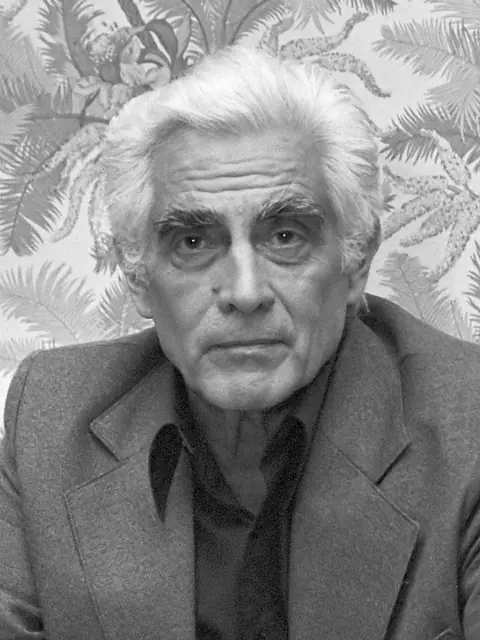
Álvaro Cunhal
1913–2005
A communist leader, he was arrested in 1949 and escaped from Peniche Fortress in 1960. General secretary of the PCP, he returned from exile on 30 April 1974 and addressed the crowd at the airport from the top of a Chaimite armoured car.
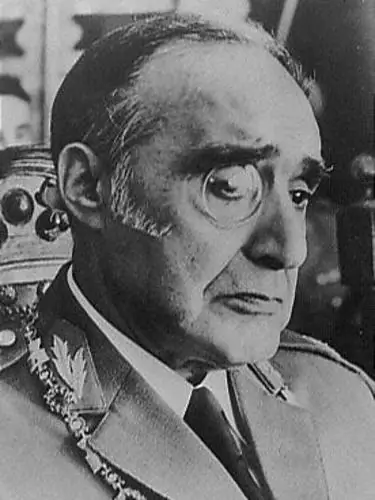
António de Spínola
1910–1996
A general and author of “Portugal e o Futuro” (Portugal and the Future), he received Marcelo Caetano’s surrender at the Carmo Barracks, presided over the National Salvation Junta and was President of the Republic until he resigned, on 30 September 1974. On 11 March 1975 he fled to Spain.
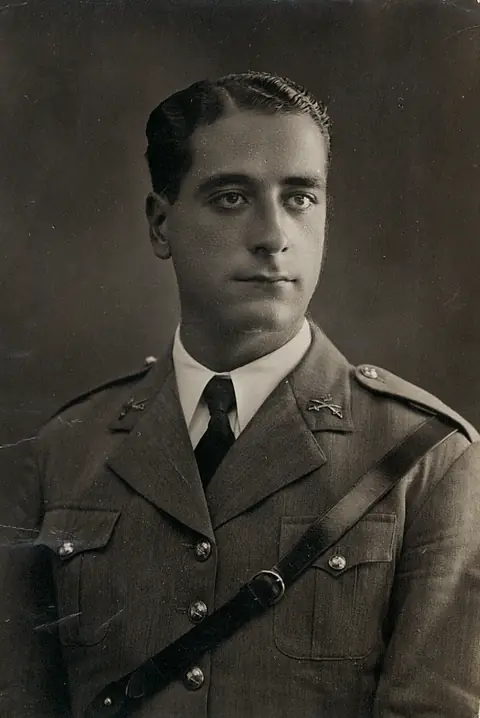
Costa Gomes
1914–2001
Chosen by the captains as a prestigious leader, he was a member of the National Salvation Junta, succeeded Spínola as President in September 1974, declared a state of siege on 25 November 1975 and promulgated the 1976 Constitution.
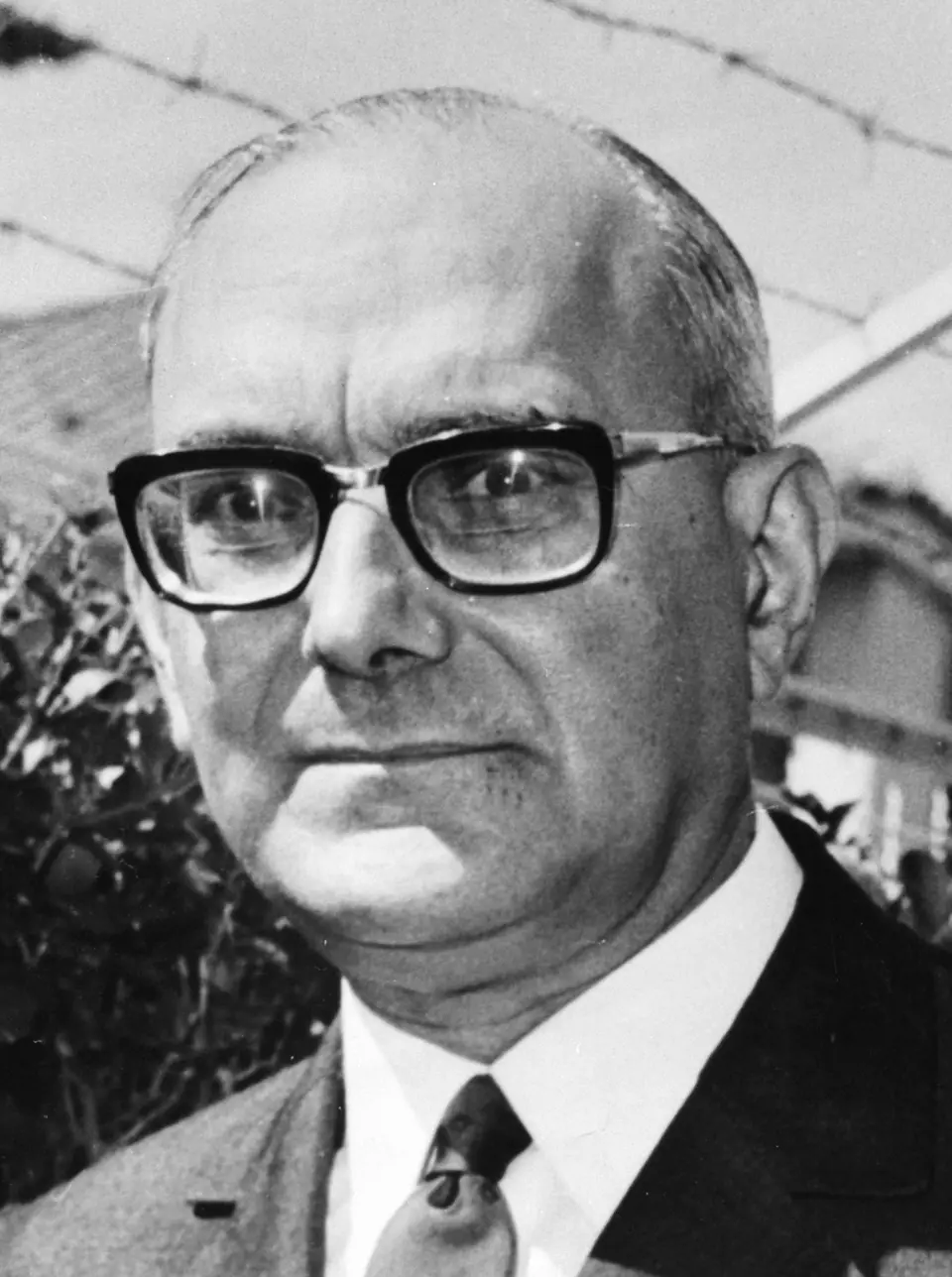
Marcelo Caetano
1906–1980
The last head of government of the Estado Novo, he took refuge in the Carmo Barracks in the early hours of 25 April 1974 and, besieged, handed power over to General Spínola. The next day he was taken to Madeira.
Maria Teresa Cárcomo Lobo
1929–2018
The first woman to join a government in Portugal: Marcelo Caetano appointed her Under-Secretary of State for Health and Welfare in August 1970, and her image circulated as proof of Caetano’s “opening”. She stayed in office until November 1973.
Otelo Saraiva de Carvalho
1936–2021
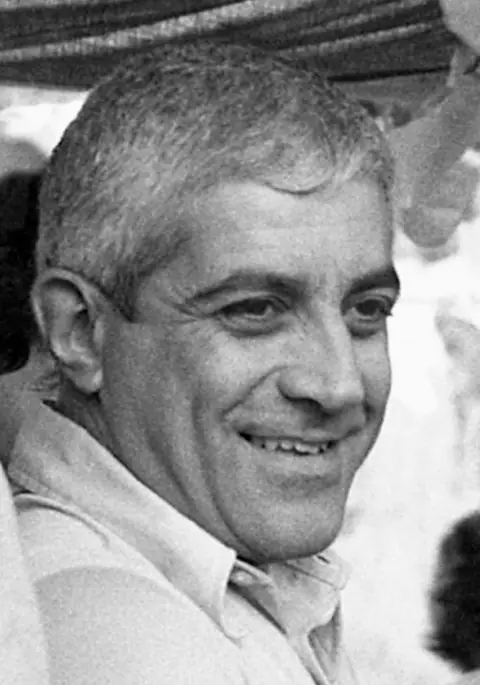
An Artillery major, he drew up the operations plan for 25 April and directed the operations from the clandestine Command Post at Pontinha; he later commanded COPCON and the Lisbon Military Region.


Notes on the sources3
- The days and places of birth and death come only from Wikidata and Wikipedia: 30 May 1921, in Lisbon (parish of Mártires), and 25 May 2011 — in Cascais, according to Wikipedia.
- That “Retrato de Mónica” was inspired by her is stated only by Wikipedia, with no source cited.
- The headquarters of the National Women’s Movement in Lisbon: Rua Presidente Arriaga, 6, according to Wikipedia, with no other source.
Do you know more, or do you have a document? Tell us.
Sources
- 1Movimento Nacional Feminino. Wikipédia (português) — consulted on 2 October 2026
- 2Consulta SPARQL de identificadores e datas (P569/P570) de pessoas. Wikidata Query Service — consulted on 2 October 2026
- 3Contos Exemplares. Wikipédia (pt) — consulted on 3 October 2026
- 4Cecília Supico Pinto. Wikipédia (pt) — consulted on 3 October 2026
- 5Américo Tomás recebe Movimento Nacional Feminino (Noticiário Nacional, 18 de maio de 1966). RTP Arquivos, 1966 — consulted on 3 October 2026