São Vicente
House where Angelina Vidal died (Rua de São Gens, 41)
In this single-storey house on Rua de São Gens lived Angelina Vidal, a teacher, journalist and republican and socialist propagandist who championed women workers and the education of women. She died here, “almost destitute”, on 1 August 1917.
In this small single-storey house with a green gate lived and died Angelina Vidal.3 The daughter of the conductor Joaquim Casimiro, she was a teacher, journalist and writer, and spread republican propaganda at rallies — two in Porto, in 1880, became famous — and in newspapers such as O Sindicato, Justiça do Povo and Emancipação, which she owned. She wrote for A Voz do Operário (The Worker’s Voice) from 1883, was the newspaper’s editor between 1897 and 1901, and taught French, piano and music, at the Society and at home.1
She defended the rights of women workers and the education of women as the road to equality. In “Às operárias portuguesas” (To the Portuguese women workers), of 1886, she urged them to fight for a twelve-hour day, when the working day was fifteen hours long.3 She never spoke of feminism, and even criticised the republican women of the League who were fighting for the vote, but she defended equality between men and women, at work and in civil law.1
Life was hard for her. She separated from her husband, the Navy doctor Luís Augusto de Campo Vidal, and lost custody of her children.3 When he died, in 1894, the monarchy’s government refused her the pension, because she was an “enemy of the institutions”.1 The women workers of the tobacco factories took up a collection to help her, and A Voz do Operário found her a salary as a French teacher.3 The survivor’s pension was only granted to her on 31 July 1917, and Angelina Vidal died the next day, here, “almost destitute”.1 The newspaper O Século paid for the funeral, at the Alto de São João cemetery, where representatives of the Socialist Party, of A Voz do Operário and of the tobacco workers, among others, spoke.2
In 1924, the City Council named a street nearby after her, Rua Angelina Vidal, with the inscription “Distinguished Lecturer and Propagandist of Social Emancipation”.1 In 1991, A Voz do Operário and the Graça Parish Council unveiled a memorial stone in her honour on this house.4
On the walks
Where it is
Map showing where House where Angelina Vidal died (Rua de São Gens, 41) is.
Dates
31 July 1917
She is granted the survivor’s pension for her husband’s death.
1 August 1917
Angelina Vidal dies in this house.
1991
A Voz do Operário and the Graça Parish Council unveil a memorial stone.
People connected with this place

Nearby
270 m · 5 min on foot
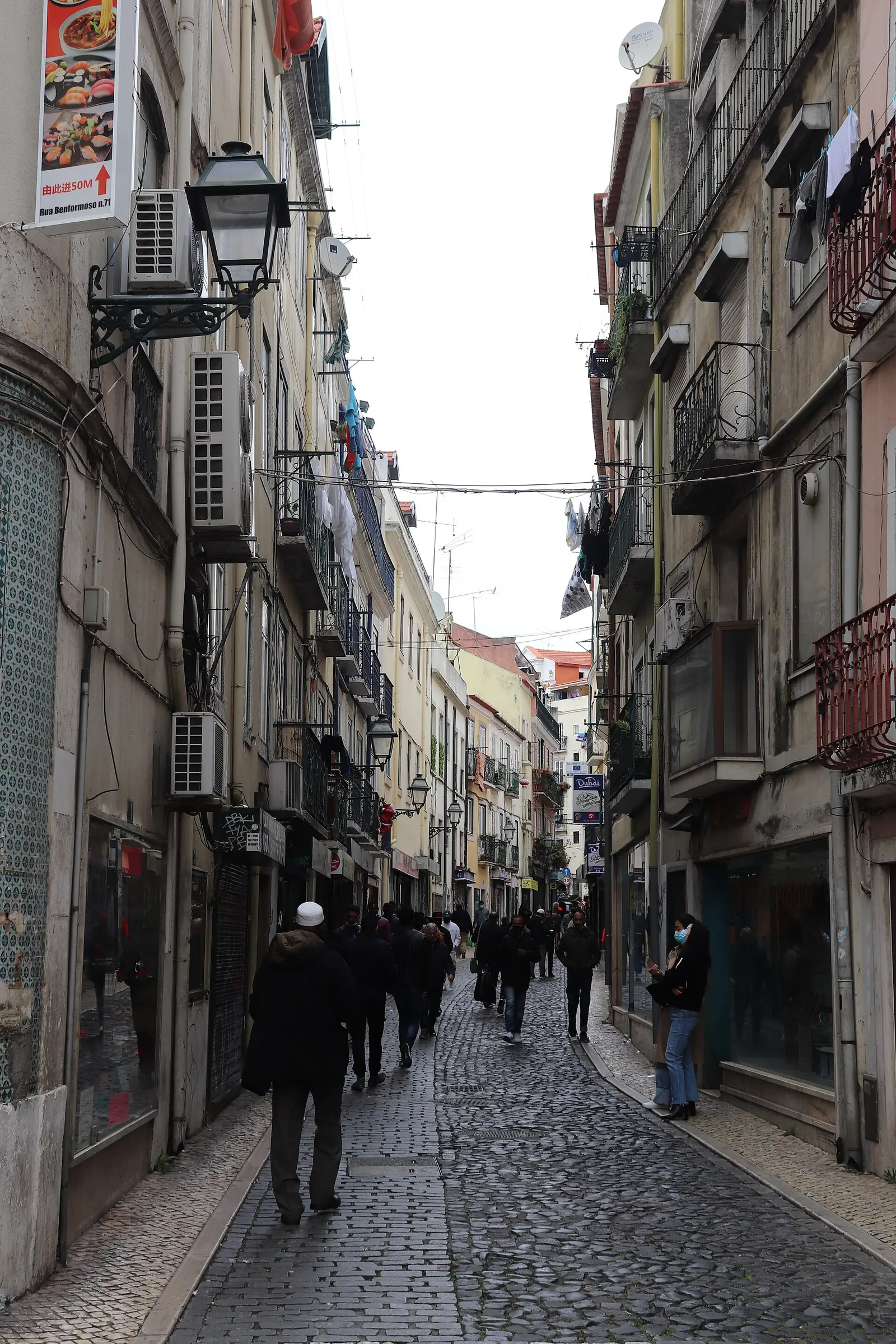
Headquarters of the Seamstresses and Stitchers’ trade association (Rua do Benformoso)
In 1915 the Seamstresses and Stitchers’ union had its headquarters here. It was here that Adelaide Abrantes called the women workers of Ramiro Leão & C.ª, who went on strike against the dismissal of three colleagues and were dispersed by the GNR.
WomenLabourRepression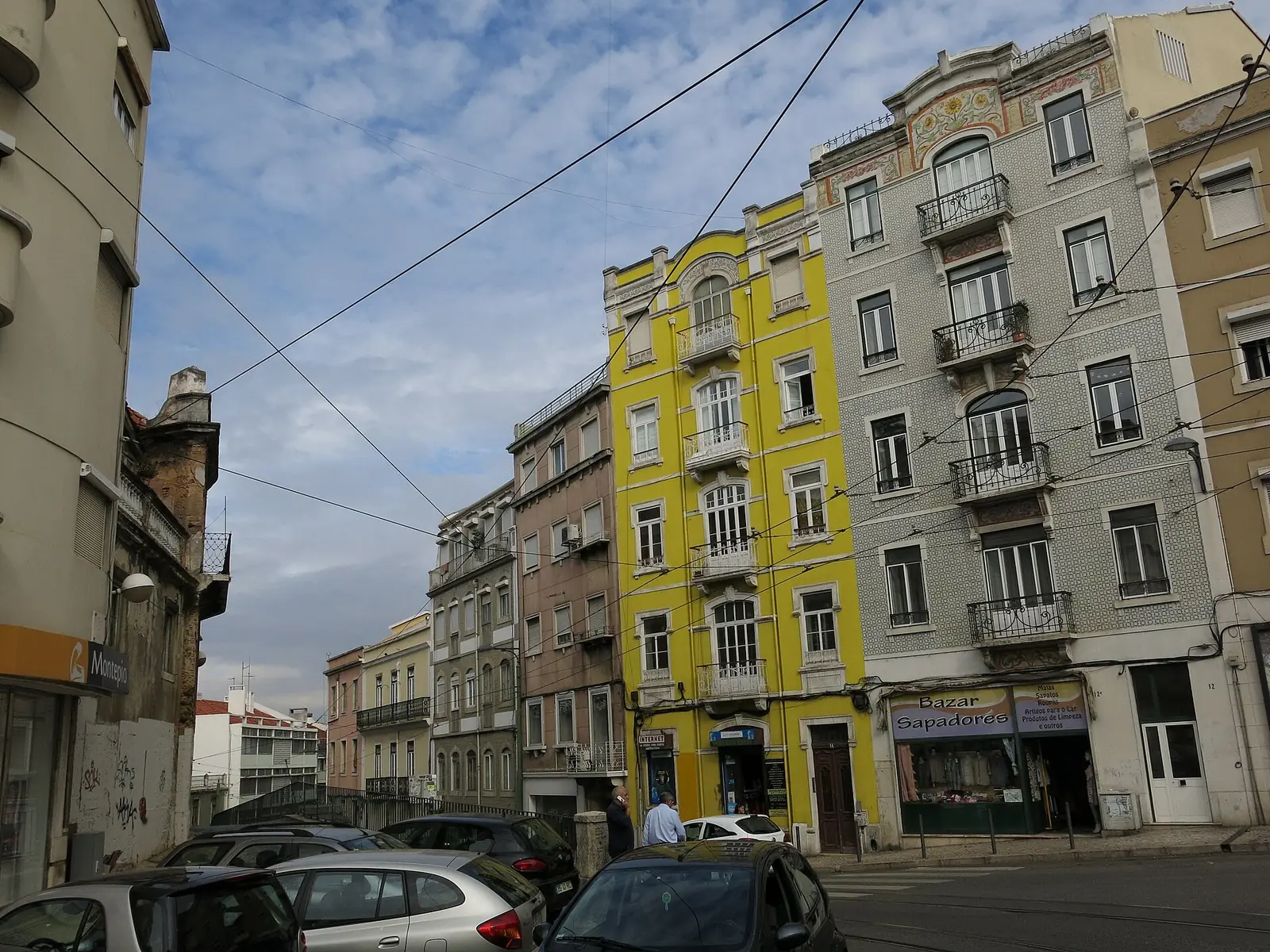
360 m · 5 min on foot
Rua Angelina Vidal
In 1924 the former Caminho do Forno do Tijolo was named after Angelina Vidal, a republican propagandist, with the caption “Illustrious Lecturer and Propagandist of Social Emancipation”. She did not live here: she died in 1917 on nearby Rua de São Gens.
WomenRepublic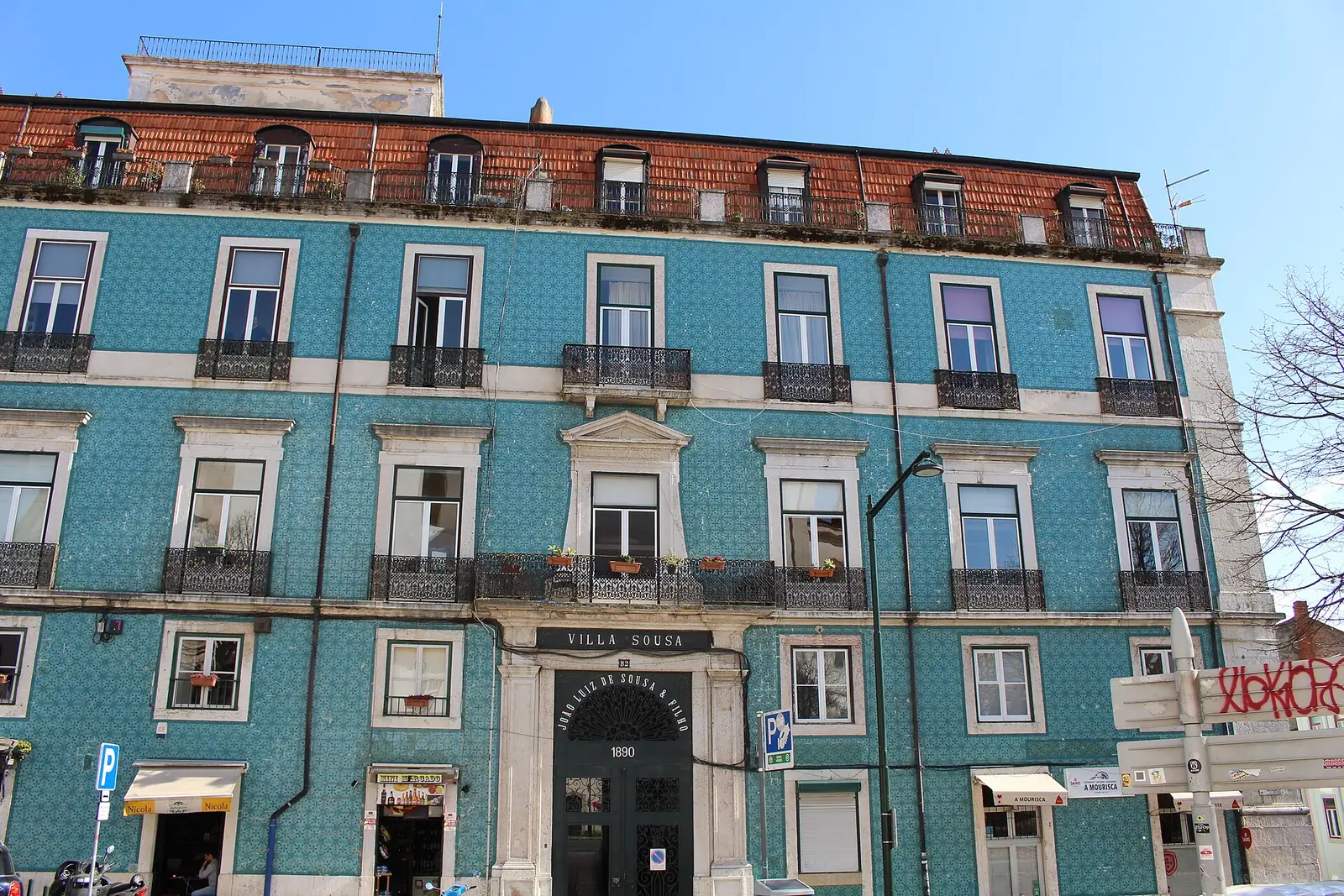
370 m · 5 min on foot
Botequim
Today: Botequim bar (reopened in 2010 by new owners)
The bar Natália Correia opened in 1971 on Largo da Graça with three friends, and to which she moved the salon she held at home — where, in the words of a NOVA University guide, people discussed “literature, politics and feminism in freedom”.
Culture and censorshipWomenOpposition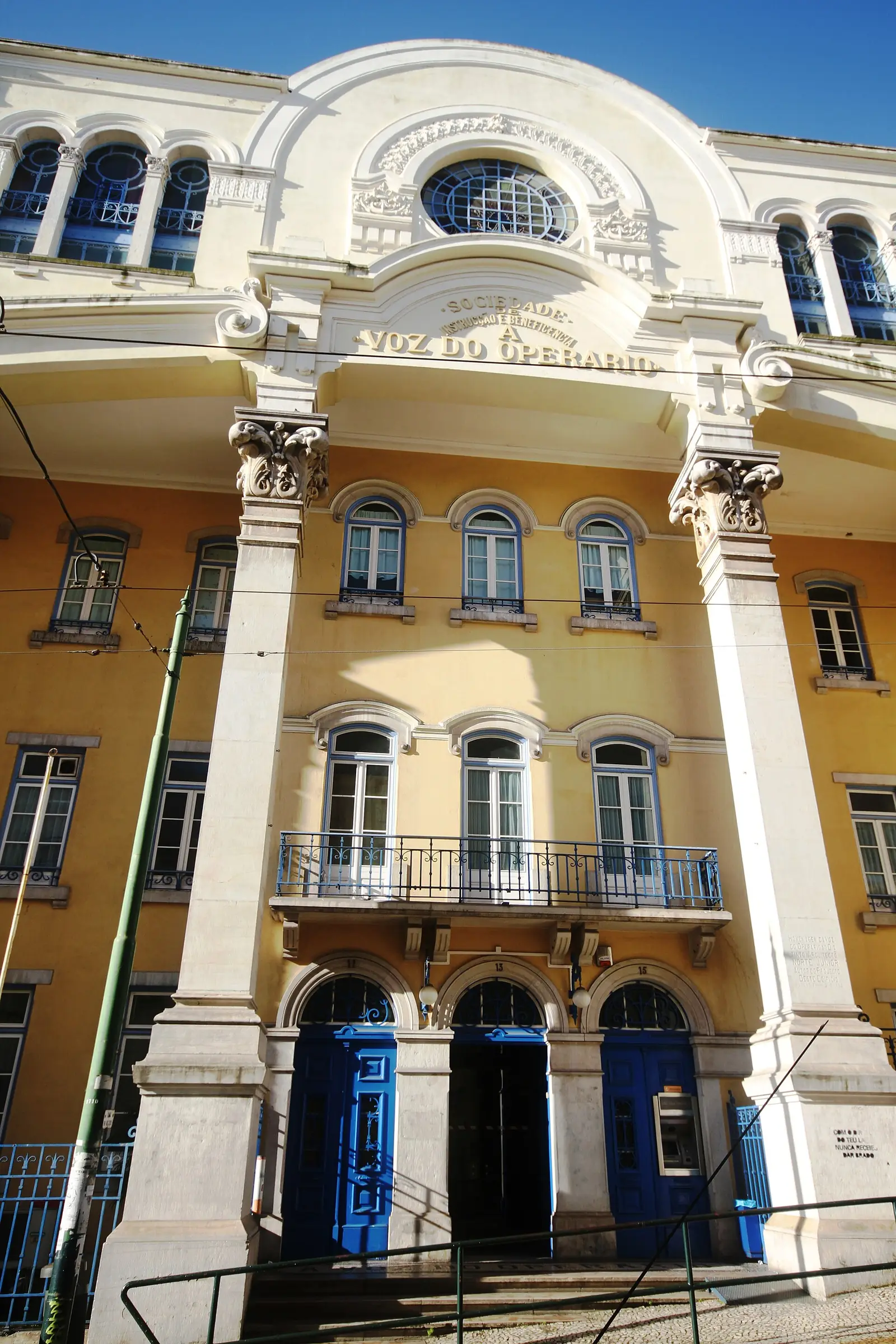
460 m · 5 min on foot
A Voz do Operário (The Worker’s Voice)
Today: A Voz do Operário Education and Welfare Society
It was born in 1879 as the newspaper of the tobacco workers and became the largest people’s school in Lisbon. In 1949, the opposition held rallies here for the candidacy of Norton de Matos, with Maria Lamas, Isabel Aboim Inglez and Cesina Bermudes.
LabourOppositionWomen


Notes on the sources2
- Angelina Vidal’s year of birth: 1847 (Toponímia de Lisboa; Wikipedia cites the baptismal record) or 1853 (FCSH+Lisboa). According to Wikipedia, the date of birth on the memorial stone is wrong.
- Whether today’s no. 41 is the same as in 1917.
Do you know more, or do you have a document? Tell us.
Sources
- 1A republicana Angelina Vidal. Toponímia de Lisboa (Câmara Municipal de Lisboa) — consulted on 2 October 2026
- 2Angelina Vidal. Wikipédia (pt) — consulted on 2 October 2026
- 3Angelina Vidal: uma desfavorecida que defendeu os desfavorecidos. FCSH+Lisboa – NOVA FCSH, 2017 — consulted on 3 October 2026
- 4Rua de São Gens (Roteiro «Voz do Operário»). Instituto de História Contemporânea – NOVA FCSH (DHLAB) — consulted on 3 October 2026
Coordinates: OpenStreetMap (Nominatim), consultado a 2 de outubro de 2026.